In memory of Queen Elizabeth II

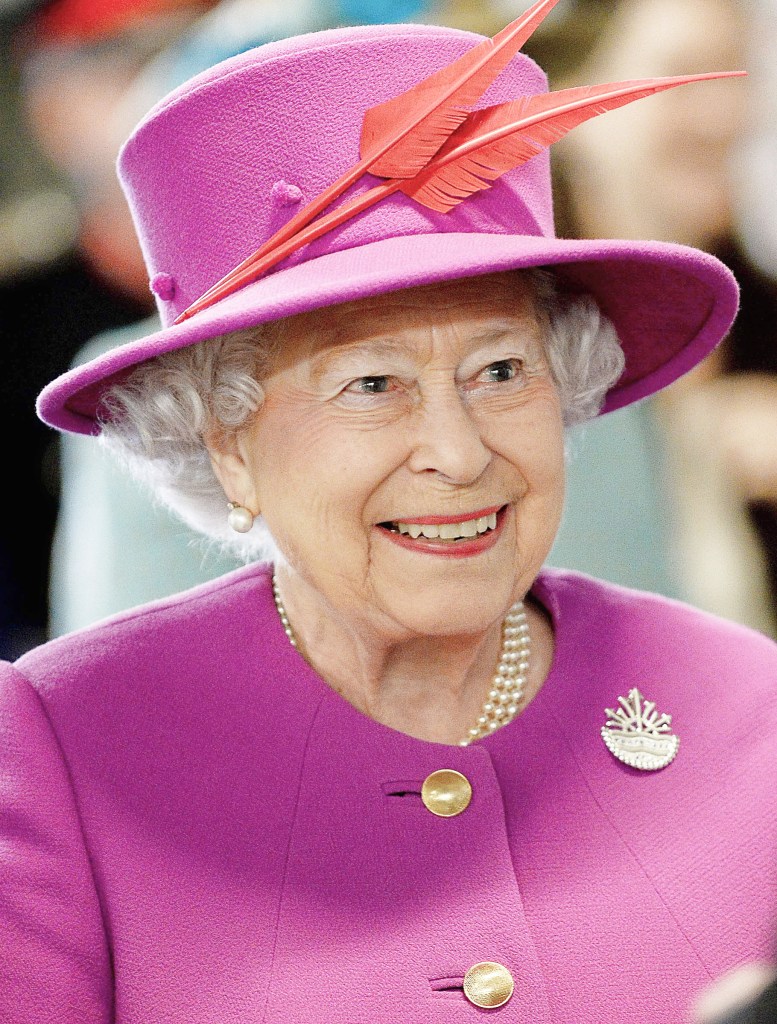
Her Majesty the Queen during a visit to HMS Ocean in Devonport in 2015.
Picture: Wikimedia Commons

It’s the late Queen Elizabeth II’s birthday today. She would have been one hundred years old.

There is a series of events in the UK marking this milestone, including an exhibition of hundreds of garments and related items belonging to Her Majesty.

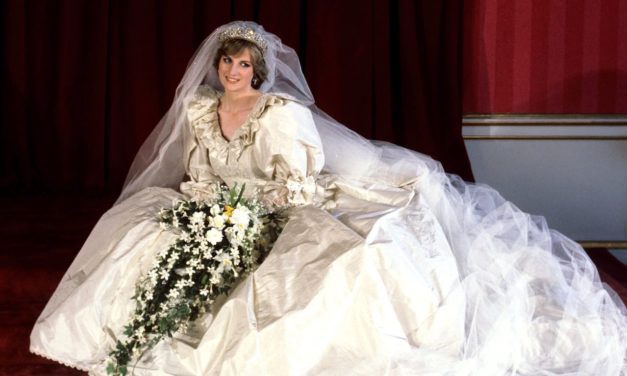
I don’t think many of us think of the late Queen as a style icon, not in the way, say, of Princess Diana, whose leggy frame and passion for fashion sparked real trends.

Who can forget Di’s Emanuel ‘meringue’ wedding dress and its extra long train, which could indeed have had its own long train (like The Flying Scotsman) to transport it end-to-end?

Or the dazzling, figure-huggingly flattering and chic dresses she wore much later on?

When I picture the late Queen, I think of the block colour coats and matching hats from the 1960s and 70s, which on special occasions were de rigeur for women of my mother and mother-in-law’s generation. This is not surprising because they were both the same age as the Queen.

I’m guilty as the rest at underestimating the influence and effect the Queen’s choice of clothing had on generations of women.

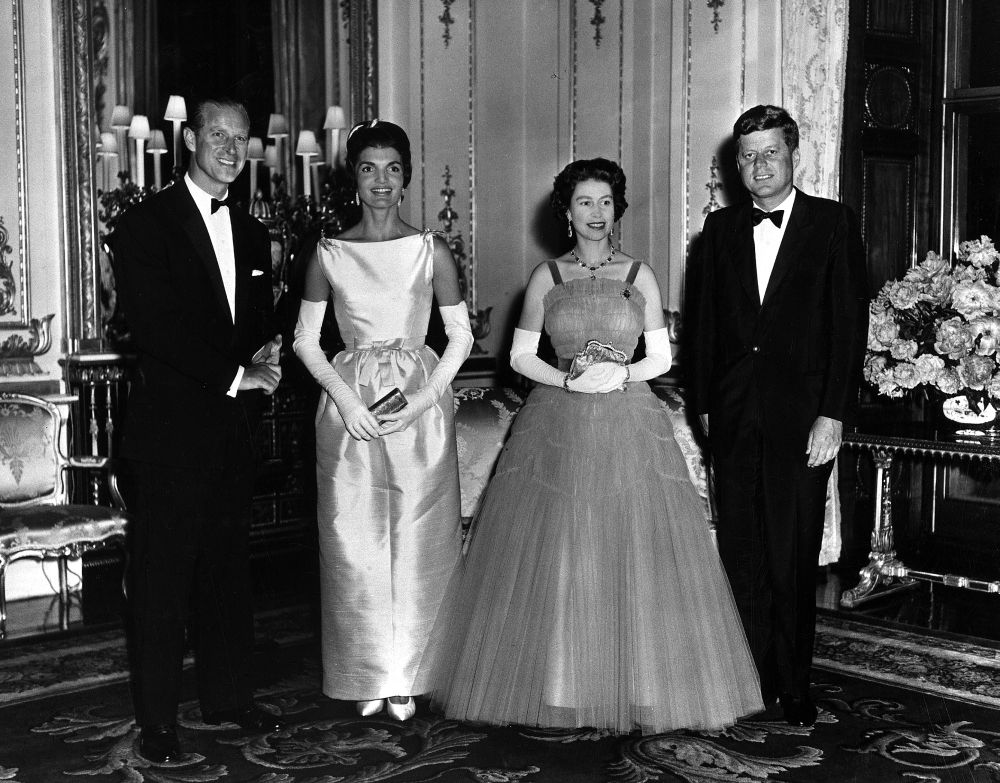
5 June 1961 Buckingham Palace: Queen Elizabeth and Prince Philip host Queen’s Dinner for President and Mrs. Kennedy. U. S. Department of State photograph in the John F. Kennedy Presidential Library and Museum, Boston.

HRH worked closely with favourite designers such as Norman Hartnell and Hardy Amies. There’s a fascinating article on The Independent’s website about our longest reigning monarch’s relationship with fashion and how the look she created was not at all accidental.

You can read it here. Queen Elizabeth II: Her Life in Style is at the King’s Gallery. Buckingham Palace, until 18 October.

The Queen died in September 2022 aged 96. She was the country’s longest-reigning monarch, chalking up an incredible 70 years.

As well as the exhibition, there are other things taking place to commemorate her life.

According to the BBC, today The King and Queen Camilla will visit the British Museum to view plans for the Queen Elizabeth II national memorial in St James Park in London designed by architect Sir Norman Foster.

Later in the day, they will host a reception at Buckingham Palace where guests will be presented with birthday cards by the King.

The Princess Royal will honour her mother by officially opening the Queen Elizabeth II Garden in Regent’s Park, London.

Buckingham Palace has also announced that award-winning historian Dr Anna Keay will write the the late monarch’s official authorised biography.

It’s fitting that these things are happening in honour of a woman who – whatever your views on the monarchy – had a great sense of duty and was devoted to her role.

A lasting legacy – and to my mind, the best way of celebrating this remarkable woman – is the creation of a new charity, The Queen Elizabeth Trust, which will focus on restoring shared spaces in communities.

The charity aims to develop and transform underused buildings and green spaces, as well as ensure that communities have the skills and training needed to organise local events, says the BBC.

Three cheers for that.

Here’s a very informative video produced to celebrate the Queen’s Platinum Jubilee. It draws on a rich selection of records held at The National Archives, including photographs, letters, and speeches, this film looks back at Elizabeth II’s extraordinary life and reign.

D-Day commemorations

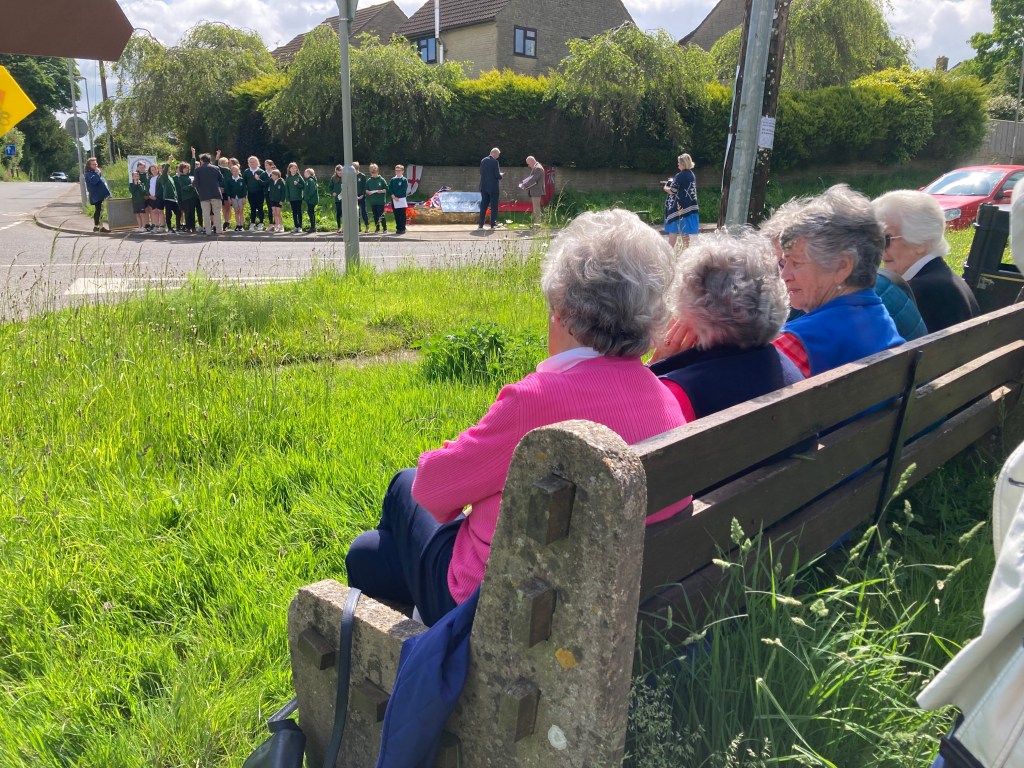
Under a vivid blue sky, on the 80th anniversary of D-Day, children from the village primary school walked up with their headteacher to the new war memorial.

They stood at the corner of the crossroads as our parish council chairman spoke about the events that led up to the largest naval, air and land operation in history on 6 June 1944.

A crowd of villagers stood (and sat) on the other side of the road to listen.

And then four pupils took it in turns with a microphone to relay their own research about the momentous event which changed the course of the Second World War.

Codenamed Operation Overlord, the amphibious assault landed nearly 160,000 Allied soldiers and 10,000 vehicles on five Normandy beaches by the end of the day.

According to the BBC, as many as 4,400 troops died from the combined allied forces on D Day alone. Some 9,000 were wounded or missing.

Total German casualties on the day are not known, but are estimated as being between 4,000 and 9,000. Some 200,000 were captured as German prisoners of war. 

Thousands of French civilians died, mainly as a result of the bombing raids of the allied forces.

By August 1944, all of northern France had been liberated.

Today, a large crowd of villagers watched as the ceremony took place. Cars and vans drove past, birds sang in the bushes and trees. A gentle breeze blew the grass and wild flowers on the verges to and fro.

The outgoing chairman of the parish council read out the names of all those in our parishes who lost their lives in the two world wars. The litany echoed along the village’s streets.

Tonight at 6.30pm, church bells will ring out across the land. Beacons will be lit to commemorate and remember. Ours, which was put up on the village allotments for one of the late Queen’s jubilees, will be lit at 9.15pm.

Today, the world still faces tyrannical leaders and pointless wars.

World War II veteran Jack Hemmings, who attended the ceremony today at Gold Beach, summed it up when he said: ‘The older you grow, the more you realise human beings are pretty stupid really.

‘Today, national leaders are waging wars to gain land. It’s barmy, there are enough problems in the world without having to make your neighbour a problem.’

Watching and listening: Slow Horses and Bad Women: The Ripper Retold

We’ve finally got around to watching Slow Horses, the Apple TV drama that everyone’s been talking about.

Picture: Wikipedia

Set against the backdrop of the iconic London skyline, the series has just finished its third season. We’re only two episodes into that, so please don’t tell me what happens.

It’s British drama at its best. This spy thriller centres on a dysfunctional team of MI5 agents who have been thrown together because each of them has mucked up one way or another.

Heading this bunch of misfits is Gary Oldman, whose portrayal of the seedy Jackson Lamb, with greasy hair, fag hanging out of his mouth and a terrible wind problem, is masterful, especially when set against the ice queen coolness and poise of Kristin Scott Thomas as his nemesis in an A-line skirt.

The script is excellent, the characters believable and the cast superb. The series carries just the right weight of tension, comedy, gore and mystery. We’ll be very sad when we reach the end.

I’m currently listening to Bad Women: The Ripper Retold, a BBC podcast by author and historian Halle Rubenhold about the untold story of the victims in the Whitechapel murders of 1888.

I’ve always been interested in the story – who isn’t? – and remember looking through the 1888 file of my own local newspaper at the columns and columns devoted to the grisly details of these terrible crimes.

The story is known all over the world and various theories have sprung up over the years. We think we know all about it, but Rubenhold looks at it from a completely different perspective. It’s shocking, really, that this hasn’t been done before.

A few years ago I read her book, The Five, on which this podcast is based, and it was a real eye-opener. A terrific amount of research went into this work of non-fiction.

‘Ripperologists’ will tell you otherwise, but it doesn’t matter that we don’t know the identity of the murderer or probably never will. The thing that has been overlooked in this story, time and time again, are the women he killed.

In Rubenhold’s hands, they become real people, who lived and loved, with early aspirations and hopes. They married, had children. And then they fell on hard times and met a dreadful end.