August book reviews

There have been some stinkers in my reading material of late, so I’m delighted to share with you two five star reviews for two very different novels.

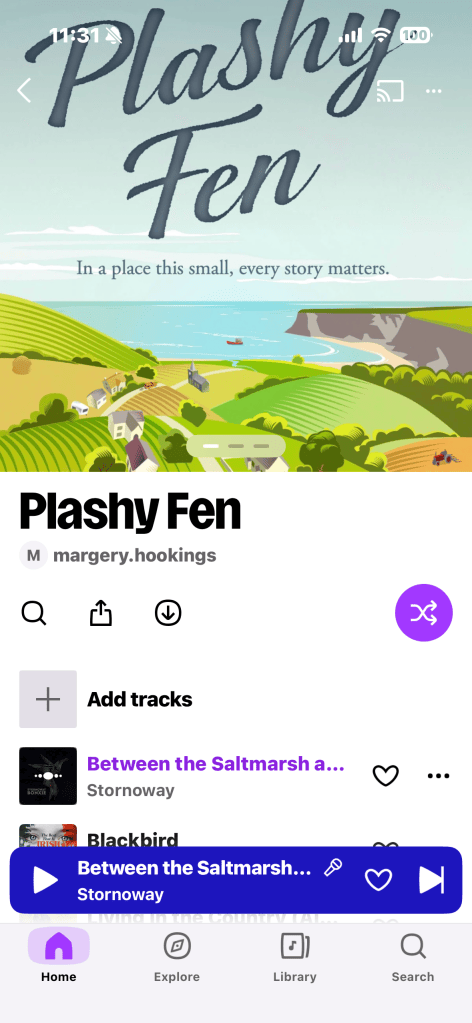
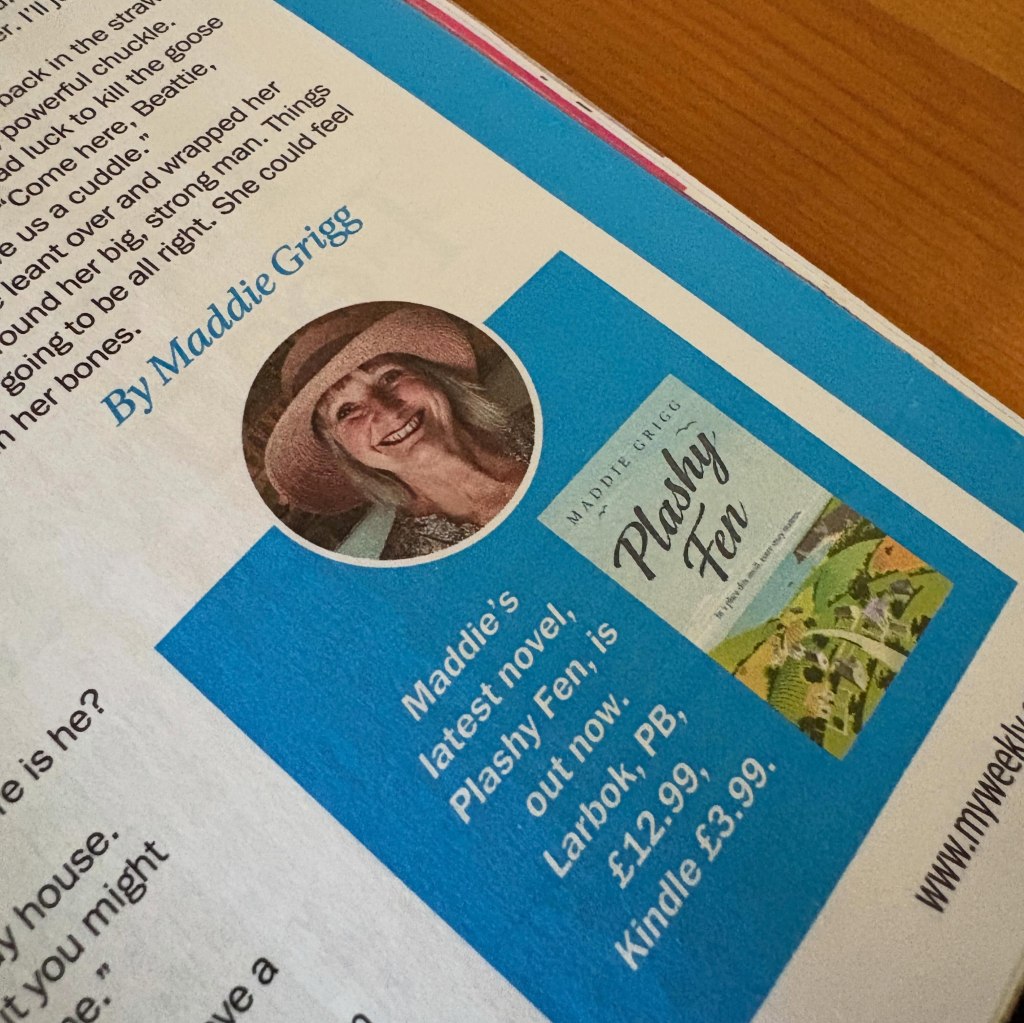
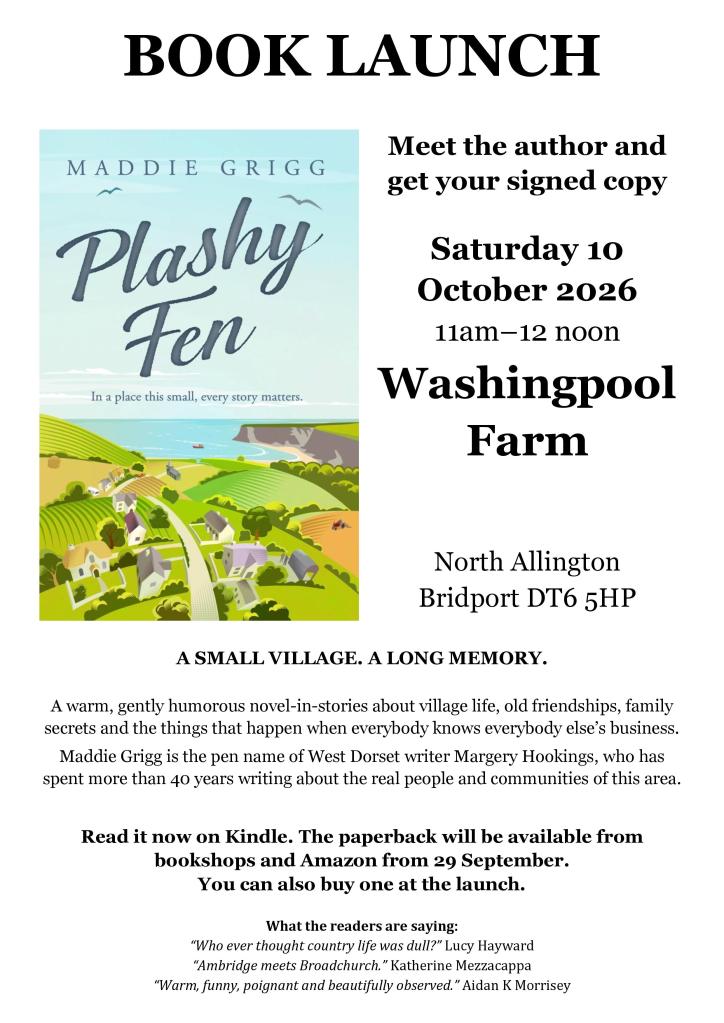
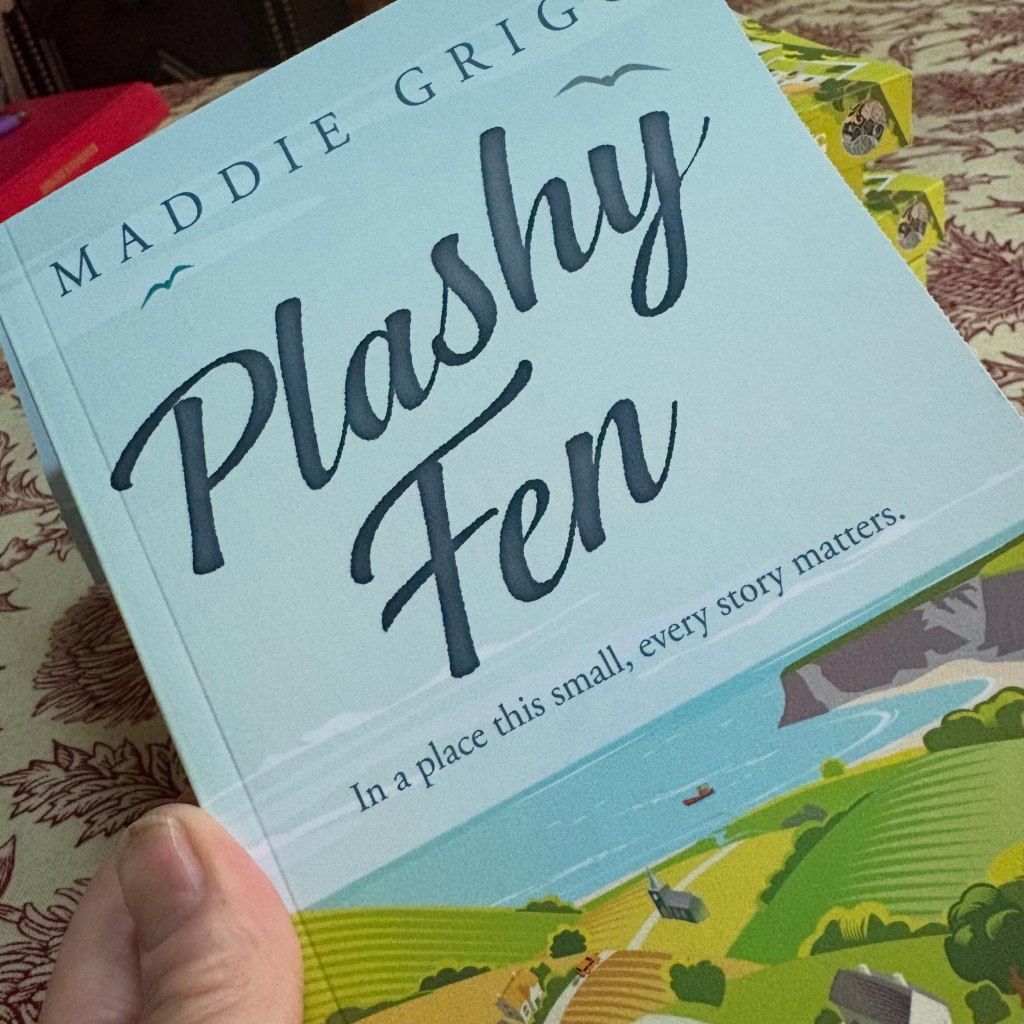
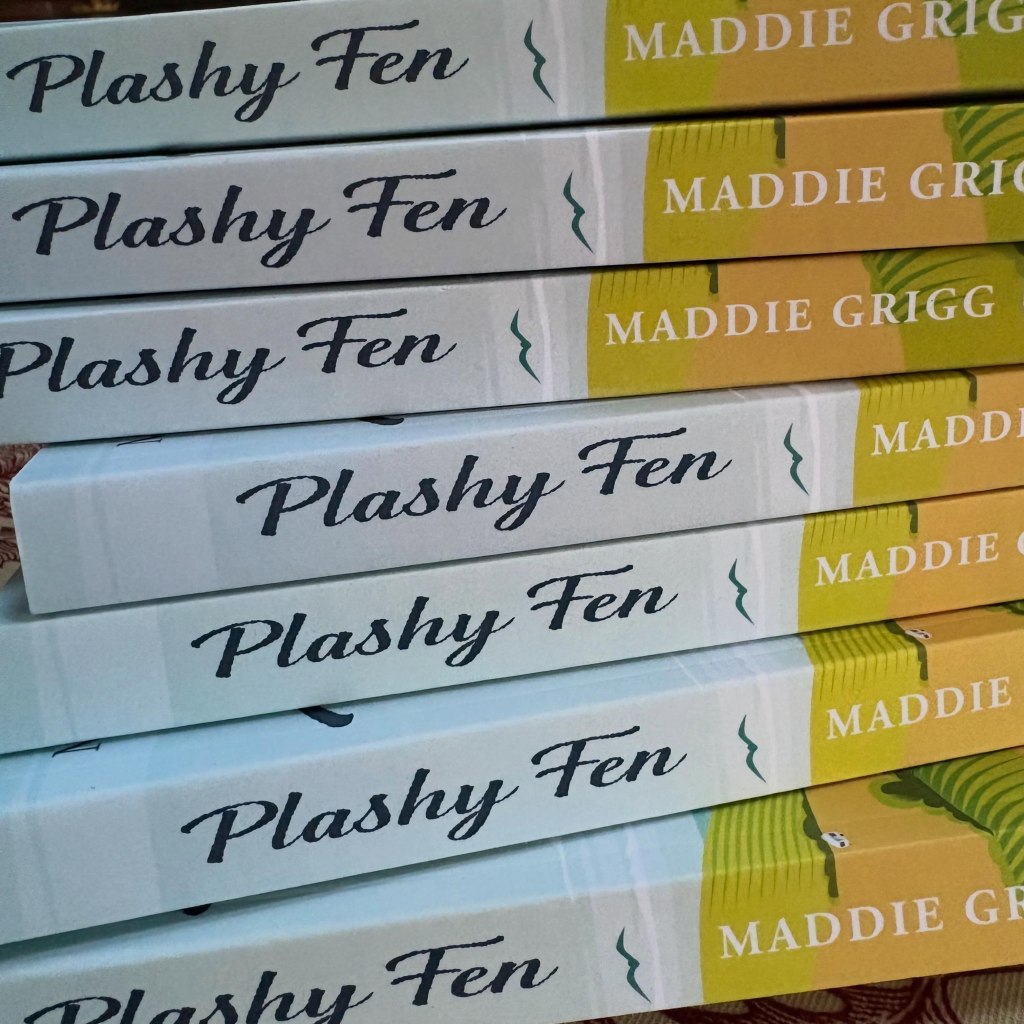
Books have taken a little bit of a back seat in recent months as I put the finishing touches to my own novel, Plashy Fen, which will be out very soon, and research a narrative non-fiction story about the ancestor I share with that titan of 20th century American literature, Ernest Hemingway.

But it gives me great pleasure to recommend both these novels, which are well worth a read.

There Are Rivers In The Sky by Elif Shafak *****

(Contemporary fiction combining historical fiction, 446 pages)

This is the most extraordinary book – and a long one for me to find myself completing with great relish.

It’s difficult to summarise the plot but here goes:

After a prologue set in the ancient past, the novel follows three timelines focusing on three characters inexorably linked by a single drop of water.

We have Arthur, who was born and raised in the Victorian slums next to the Thames but possesses an incredible mind. He learns how to decipher ancient texts at the British Museum and becomes obsessed with the Epic of Gilgamesh, a poem written in Mesapotamia during the late 2nd millennium BC. He makes it his life’s quest to find the poem’s missing pieces, out in the dusty field.

And then there is Narin, a Yazidi girl living in Turkey in 2014, and Zaleekhah, a hydrologist who lives on a houseboat in London in 2018.

They lead entirely different lives but their stories are intertwined, with the past catching up with them all.

This is such a big concept book, but told intimately through the stories of the three protagonists. Beautifully written -a novel which will stay with me for a long time.

Lucie Dumas by Katherine Mezzacappa *****

(Historical fiction, 234 pages)

Katherine Mezzacappa is a voracious writer who has a real knack for finding fascinating true stories and characters from the past and turning them into literary gold, as her novel, The Virgin of Florence (2024), demonstrates.

Lucie Dumas was a real person, a young woman we would never have known were it not for Mezzacappa’s meticulous research and imaginative storytelling skills.

And it’s a good job, because Lucie’s story is important, particularly in an age where misogyny is still alive and well and living like a king, even in 2026.

Lucie is a ‘fallen’ woman, cast out of her native France and separated from the child she bore to become a prostitute in 19th century London.

She encounters many hardships and is then ‘rescued’ by a famous writer, Samuel Butler – to whom she refers as The Monsieur – who ‘keeps’ her in a modest house (with a maid) where she entertains him and other gentleman callers.

Lucie is never a victim but her tale unfolds quietly and with great dignity, a pawn in a world where men take centre stage and women are meant to fit in as they should.

The storytelling and writing are remarkable. I’d gone off historical fiction a bit but Mezzacappa has restored my faith in the genre.

This is a novel which means a great deal -it gives Lucie Dumas a voice and one with which we, the reader, empathise, giving us an unusual and important insight into the place of women in Victorian society.

Okay, French heatwave, you can stop now

Here in South West France there is little let-up in the rampaging heatwave.

Occasionally, a storm will break the stalemate and the plants breathe a sigh of relief and stop slouching for just a second. But then we’re back on the endless treadmill of feeling hot, hot, hot.

There are clouds in the sky this morning and a slight breeze whipping around my bare feet so I’m using the time in my little office to get on with some project planning.

I’ve done some writing, done some editing and now it’s time to sit back and think about marketing my new novel, which is due out on Kindle later this month and will be launched as a paperback in the autumn.

I’m also working on a narrative non-fiction story which will take me halfway around the world and probably won’t be finished until 2028.

So there’s plenty going on in my head, but the heat makes my brain scramble and opens the door for lethargy to just come on in and wipe its feet all over my creativity.

In other news, the travelling pan has arrived for the village’s Giant Omelette fete on Friday evening.

I’m presuming it was delivered on this trailer although, in a flight of fancy, I imagine it obligingly rolling up the hill and parking itself in its annual spot before thundering on down to another local community event.

It serves a variety of uses round and about, including accommodating another village’s Giant Paella and then someone else’s Moules Evening.

It’s a very helpful and useful little big pan.

I think I’m going for a lie-down, the heat seems to be getting to me.

That’s about it.

Love, Maddie x

PS You’d think the heat would stem my appetite. However, I live with a foodie who loves to cook and also to eat.

Finding my bookish self

I’ve been out of the blogging loop lately, focusing on a writing project which is going to keep me busy for the next couple of years.

However, there is lots going on in the world (earthquake, heatwave, violent death and political farce) but I’m choosing not to obsess about these subjects and am trying (not very successfully) to stop doomscrolling on Facebook and Instagram, which is a complete waste of time and just feeds massive egos and conspiracy theories and lines the pockets of the megarich.

And news websites and a constant diet of updates and cliches are leaving me cold.

The reading is going well, but not in terms of me writing reviews. I’ve had some real duds in recent months, which has been incredibly disappointing.

I had high hopes for The Calamity Club (2026), by Kathryn Stockett, the author of The Help (2009), but it wasn’t for me. I gave it two stars out of five.

I didn’t fare much better with Under Story. I devoured an earlier Chloe Benjamin novel, The Immortalists (2018), but really struggled with this new book, which comes out later in the year.

The very science-based science fiction of Under Story is sweeping in its ambition. Set in the hostile, surreal world of Antarctica, it’s essentially a love story with two central protagonists who take their time to reconnect.

It’s beautifully written but moves forward at too slow a pace for me. I gave it three stars.

Having encountered a reader’s block with new novels other people seem to adore, I had a bit of a book break and then started reading narrative nonfiction, if nothing else but to help with the current writing project, to see how it’s done when done well.

The last bit of nonfiction I read was probably The Salt Path (2018), billed as memoir, nature and travel writing and definitely not fiction. I gave up after two chapters because I liked neither the style nor the whining presence of the author, who irritated me from the start. Well, we all know how that book panned out. Maybe I am more discerning than I think.

I’ve done a bit of research and have started giving nonfiction another go. Mixed results but I completely fell in love with the Bruce Chatwin’s groundbreaking travel writing classic, In Patagonia (1977).

Similarly, The Wager: A Tale of Shipwreck, Mutiny and Murder (2023) by David Grann is unputdownable, telling the true story of what happened when a naval vessel hit rocks off the South American coast in 1740. Piecing together the story through solid historical research and strong primary sources, Grann has produced a knockout of a book. I was hooked by it.

After failing to ‘get’ an award-winning memoir that had been recommended to me (too highbrow and about a wealthy family I didn’t care much about), I was delighted to then plunge into Great Uncle Harry: A Tale of War and Empire (2024) by Michael Palin, a writer who takes a family story and turns it into a search for answers in this compelling biography, travelogue and history book. Palin is such an empathetic and kind sort of a chap and his writing reflects his humanity.

I’m now reading two novels: A Gentleman in Moscow (2016) by Amor Towles (my day book) and the beautiful There Are Rivers In The Sky by Elif Shafak (2024), which I turn to at night because I have a back-lit Kindle so I don’t disturb Mr Grigg when he’s trying to sleep.

So, you can see I haven’t been completely idle in this ennui-inducing heatwave, which is turning us all into gibbering wrecks.

More from me later in the week, I think. In the meantime, if you have any narrative nonfiction recommendations, I’m all ears.

That’s about it.

Love, Maddie x

Taking a break

Just to let you know, the blog is taking a back seat for a while.

I’ve had lots of things going on and I’m currently knee-deep in work around the publication of new novel by an indie press. It’s due out in the autumn – more news to follow.

Have a lovely summer, and maybe catch up with you through posts on my Instagram and Facebook pages, although these will also be a bit sporadic over the coming months.

Love, Maddie x

May book reviews

I’m ploughing my way through another long book, which I’m enjoying but haven’t finished yet.

It’s The Calamity Club by Kathryn Stockett, who wrote The Help. It turns out her latest novel, which has just been published, is longer than I first thought.

I’m also in the final copy edit stage of my own novel, which is being published in the autumn. Can’t say too much about it yet but I will reveal all in due course.

At the same time, I’m doing some in-depth research for a narrative non-fiction story where the ancestor I share with Ernest Hemingway will take centre stage. This is a project involving a half-circumnavigation of the world so will take a few years.

I’ve read three books this month but only one of them is worth telling you about. The other two were thrillers but not very thrilling.

So here goes. And it is a good ‘un.

Whistler by Ann Patchett *****

Contemporary fiction (304 pages). Publication date expected 2 June 2026

A chance meeting in a New York art gallery leads the fifty-something protagonist into a myriad of memories in this quietly reflective novel about family, relationships and love.

English teacher Daphne and her husband realise the elderly man who appears to be stalking them is, in fact, her ex-stepfather, book editor Eddie Triplett, who she hasn’t seen since she was nine. The encounter sends Daphne down unexpected paths, sifting through a painful period in her childhood and a dramatic incident she’s never really talked about with anyone else since.

Her conversations and interactions with Eddie – a lovely, kind man – enable Daphne to think about her past and make sense of everything that happened all those years ago and the complex layers – and people in her life – that underpin it.

It’s an astonishing novel and Patchett is an astonishing writer, who takes something so relatively simple and transforms it into a deep and meaningful story about what it is to be loved and respected. I coldn’t put it down.

Thank you to NetGalley and the publishers for an advance review copy of Whistler.