Apple Day

There are Apple Days being advertised here in West Dorset and, of course, just over the border in Somerset.

The tradition dates to 21 October 21 1990 when the first Apple Day was held in the old Apple Market in London’s Covent Garden, bringing fruit back there for the first time in 17 years.

The idea was developed by Dorset-based charity Common Ground, as a way of celebrating our most versatile fruit.

It’s a scrumptious time of year and sends me back to my childhood days when we had an orchard on the farm in South Somerset.

Most of the trees had been planted by my grandfather for cider, although there was the odd one or suitable for eating.

In the Second World War, the farm was a bit of a magnet for American soldiers keen on sampling the amber nectar.

In later years, when Grampa stopped making his own, the apples were sent to Perry’s Cider, at nearby Dowlish Wake.

If you’re ever down this way, it’s definitely worth visiting Perry’s. It has a small museum, cider tastings, a great cafe and a farm shop.

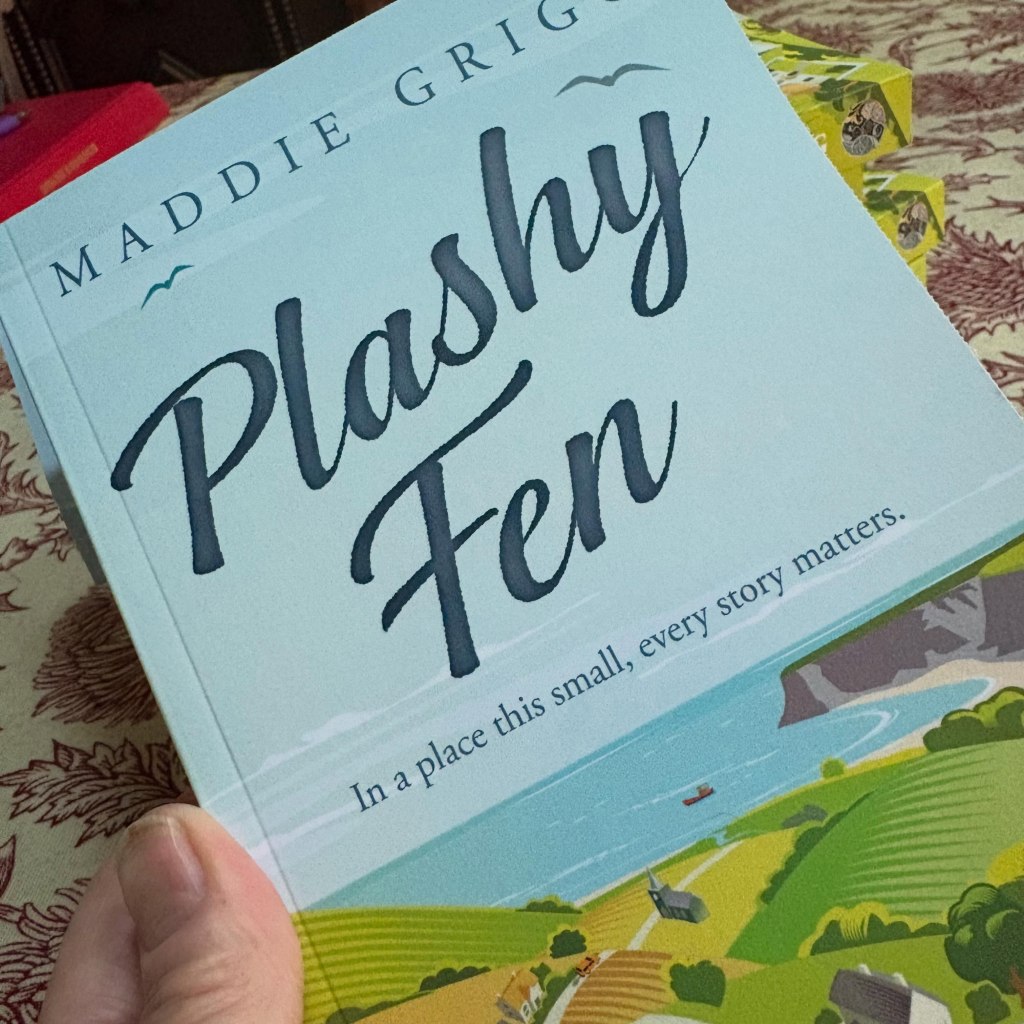
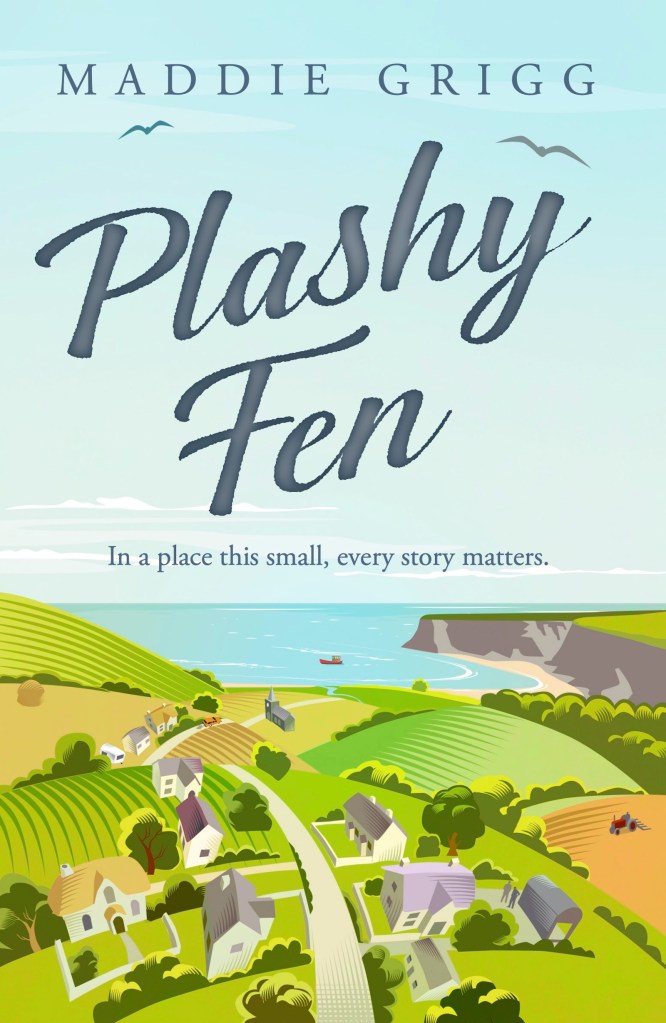
There is an orchard in my novel, Plashy Fen, next to a field where the three Symes brothers live in separate caravans. Dave goes rabbiting with his ferrets up on Bluebell Hill, Jacko is silent and bedbound and looked after by village heroine, Lindy Vickery. The eldest of the three, Tom Symes, is the nurturer of the apples.

Back in the Eighties, their father had resisted all attempts to grub out the orchard like the other farmers had done. People had laughed at their father then, calling him old-fashioned and lazy. Old-fashioned, maybe, but you could never call Adam Symes lazy. Just respectful of the old ways. And now people, new people, were emulating that approach to farming as if no one had ever thought of it before. Bloody blow-ins.

I’m grateful for the help of local cidermaker Nick Poole, who wrote a book with Liz Copas called The Lost Orchards: Rediscovering the Forgotten Cider Apple of Dorset.

Nick – who I’ve known for years – was so generous in sharing his knowledge and love of apples local to the West Dorset area. And he allowed me to use his own words – verbatim – to describe the apples that he – and Tom- love the most.

Here’s a passage from the novel, with Nick’s words incorporated:

One of the family’s favourites was the Symes Seedling, which Great-Grandpa had invented. Like a Tom Putt for cider making but closer to a King’s Favourite in shape, its skin a yellowish green with red streaks most dense around the stem.

Best of all, though, was Golden Ball. Tom always felt a bit bad for thinking that, as his loyalty should have been with the Symes Seedling. But there you were, there was no accounting for taste. Golden Ball was the stuff of legend, standing head and shoulders above all other apples known to mankind.  It was a properly handsome apple, changing through the season from dull greens to red flush, finally arriving in all its glory as a true golden orb with a delicate brown latticing by late October. It made excellent cider.

I’ve just picked up some cooking apples from the top of my village. Not scrumped, you understand, but to make the most of a box marked ‘FREE’.
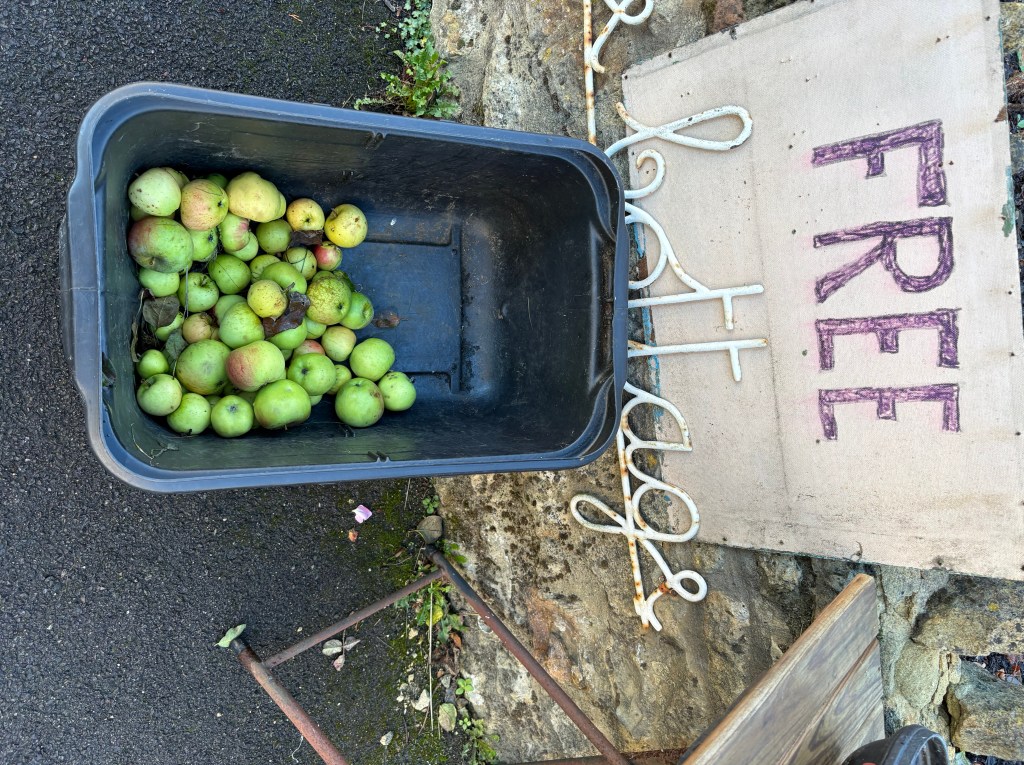
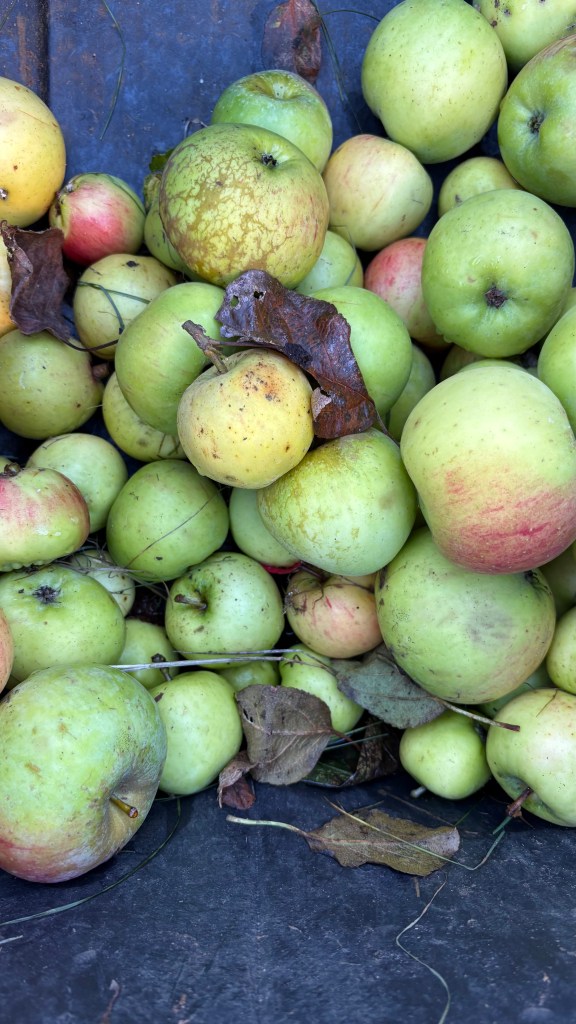
Time to make apple crumble, I think.

Have a great weekend.

Love, Maddie x
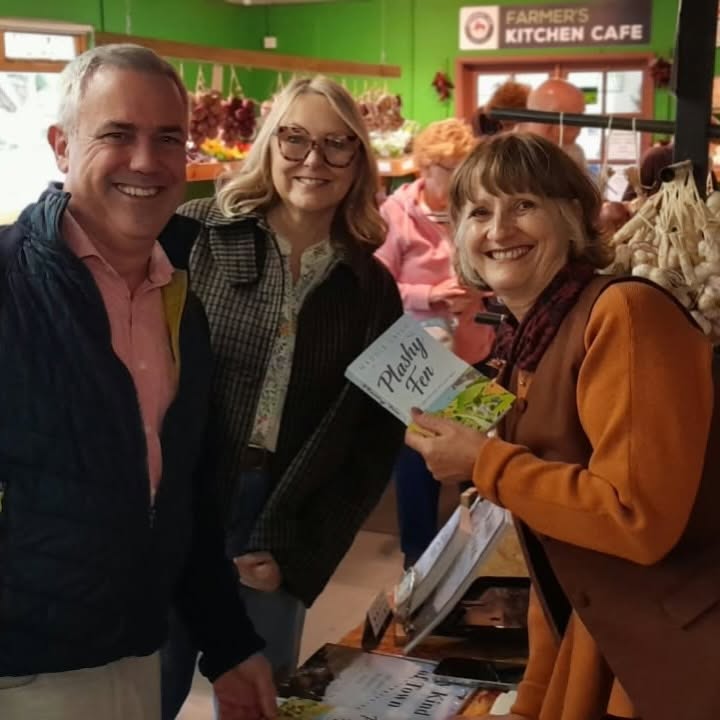
Plashy Fen is launched

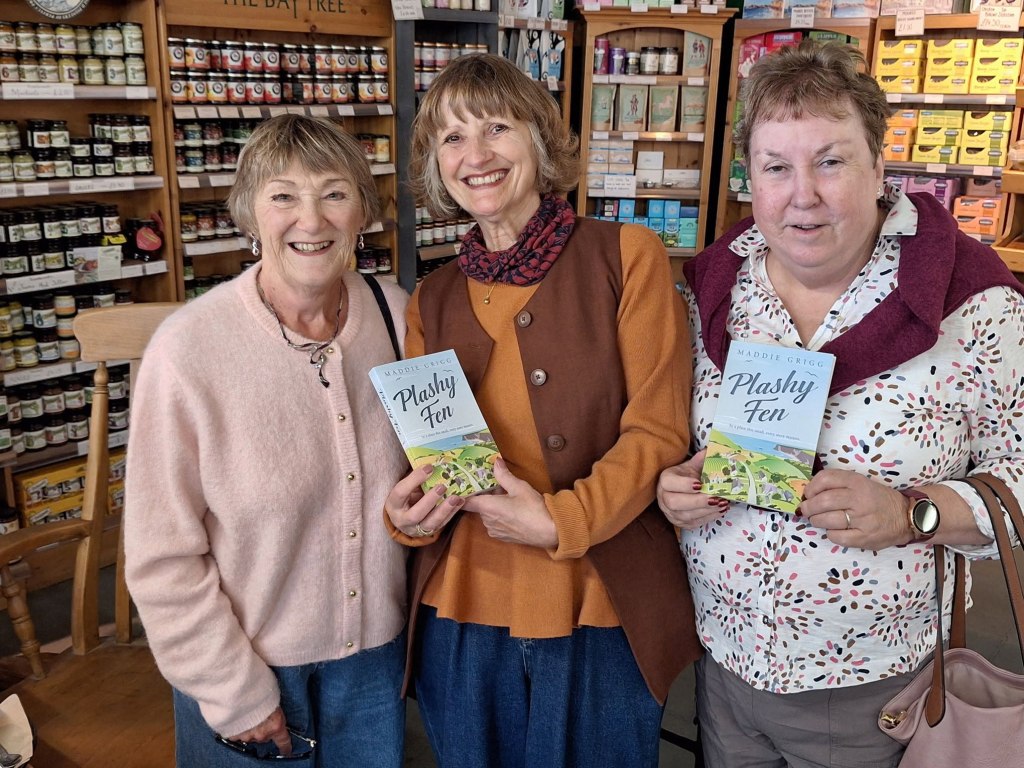
Thank you, thank you, thank you to all you lovely people who turned up for the launch of Plashy Fen last Saturday at Washingpool Farm Shop, Bridport.

There were lots of familiar faces as well as people I’d never met before.

To be honest, it was all a bit overwhelming.

First through the doors was Carol, a People’s Friend reader, and her friend, Sandra, who came all the way up from Cornwall and stayed overnight to be at the launch. How amazing is that?

Carol, me and Sandra.

Carol not only brought her lovely self, she also gave me a beautiful card and a book of short stories about her neck of the woods. I’m very much looking forward to reading it.

Reaction to the novel has (in the main) been wonderful.

I think the influx of characters at the start of the book has been a bit of a roller coaster for some but I make no apologies for that – this is what moving into a new village can be like. Lots of neighbours clamouring for attention.

But as those readers ploughed on, they soon came to know and love Plashy Fen and its inhabitants, or so they tell me.

Here’s a review from a reader of my Maddie’s World column:

Every week when my People’s Friend magazine arrives I turn to Maddie’s World – Maddie Grigg’s article about life in Lush Places – so when I saw this book had been published I got it straight away. I have thoroughly enjoyed reading about Plashy Fen and all the characters who live there. For me, it was a bit of a slow start but once I got into it I thought it was brilliant.

Why, thank you.

And here’s another, from someone who bought a paperback on Saturday:

 I finished your book on Monday, in fact I hardly put it down once I had started!

It is one of the best reads ever. Beautifully crafted, warm and full of mystery. I enjoyed every bit of it…Well done on a great triumph –and thank you.

I’m still bursting with pride at that one, which is dangerous because you know what pride comes before, and I’m just about to start a day’s creative writing course in The Shed of Dreams so it could all end in tears.

But anyway, thanks for all the encouragement and, as Winston Churchill once said, I will KBO.

Paperback publication day

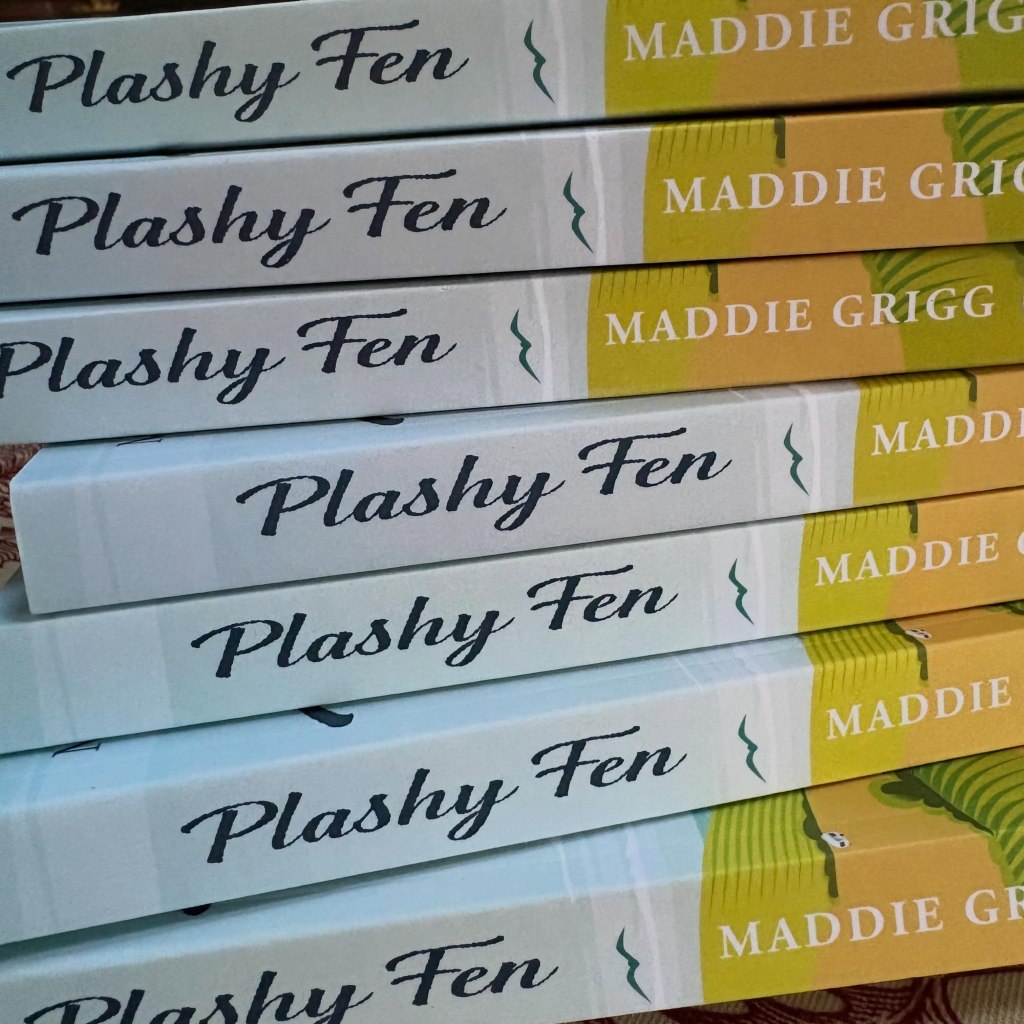
Plashy Fen is now available in paperback today.

Publication coincides with Michaelmas Day, one of the quarter days I write about in the novel:

Today, Maurice’s ghost is taking in the autumn sunshine. It is 29th September, Michaelmas Day, the Feast of Michael and All Angels, a day that sits on the edge of winter, the last date for the harvest to be in.

When Maurice was alive, he and Beattie used to celebrate the day with a fattened goose to protect themselves and the girls against financial hardship.

“Eat a goose on Michaelmas Day,  want not for money all the year.”

The ghost of Maurice Dominey is one of the many characters in Plashy Fen, a small village layered by the stories of its characters.

There’s put-upon Lindy Vickery, hard-as-nails estate agent Anna Arborio (Maurice’s elder daughter), the teenage triplets Merlin, Ralph and Billy and the Symes brothers who live in three separate caravans in far-flung corners of their field.

There’s a celebrity chef, a nice and not-so-nice pub landlord who, naturally, are bitter rivals, and a grief-stricken vicar questioning his calling.

Possibly too many characters to get your head round straight away, but stick with it, rural villages can be a bit like that until you get to know them.

Said one reviewer: “By the end, I felt that I knew the people of Plashy Fen. In fact, if I ever walked into the Raven’s Head and found them sitting at the bar, I’d happily buy them a pint—or a glass of wine—and join them.

“A warm, funny, poignant and beautifully observed novel. Five stars.”

You can order Plashy Fen from bookshops or Amazon. It’s also available on Kindle.

September reviews

I’ve been a bit lax lately when it comes to reading books, being so caught up in promoting my own. (In case you didn’t know, Plashy Fen comes out in paperback on 29 September. As you can imagine, I’m very excited.)

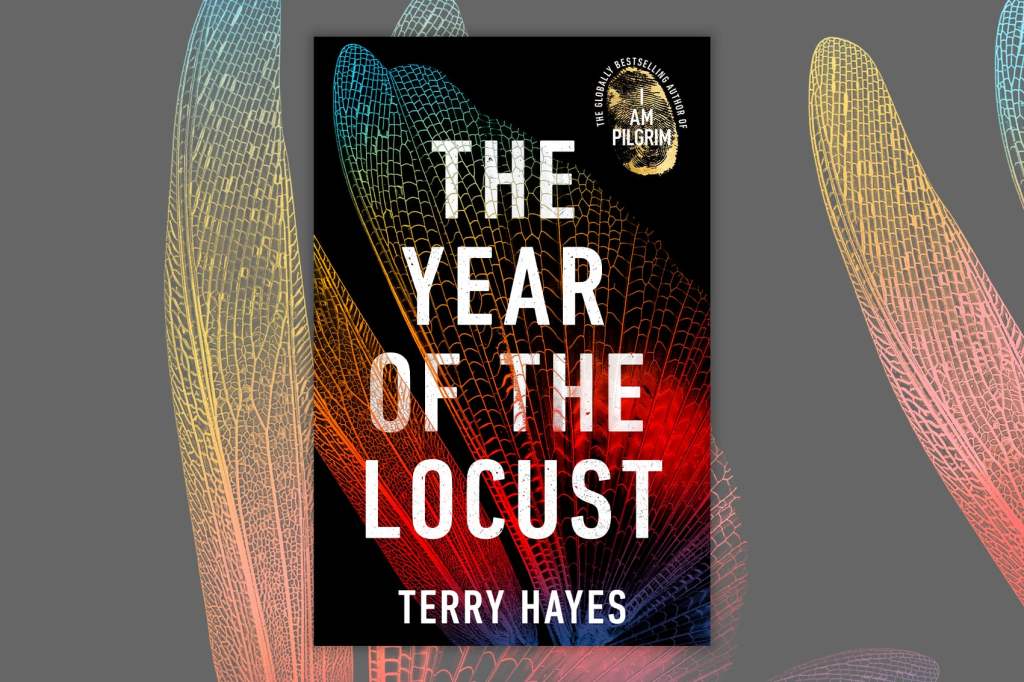
I had been reading a doorstep of a novel, The Year of the Locust (2023) by Terry Hayes, and was finding it very easy to sink into its short chapters and fast pace.

However, I’m about an eighth of the way in and have decided to quit while I’m ahead. I don’t feel much engaged with the protagonist and there is more to life than ploughing through a big book just for the sake of it.

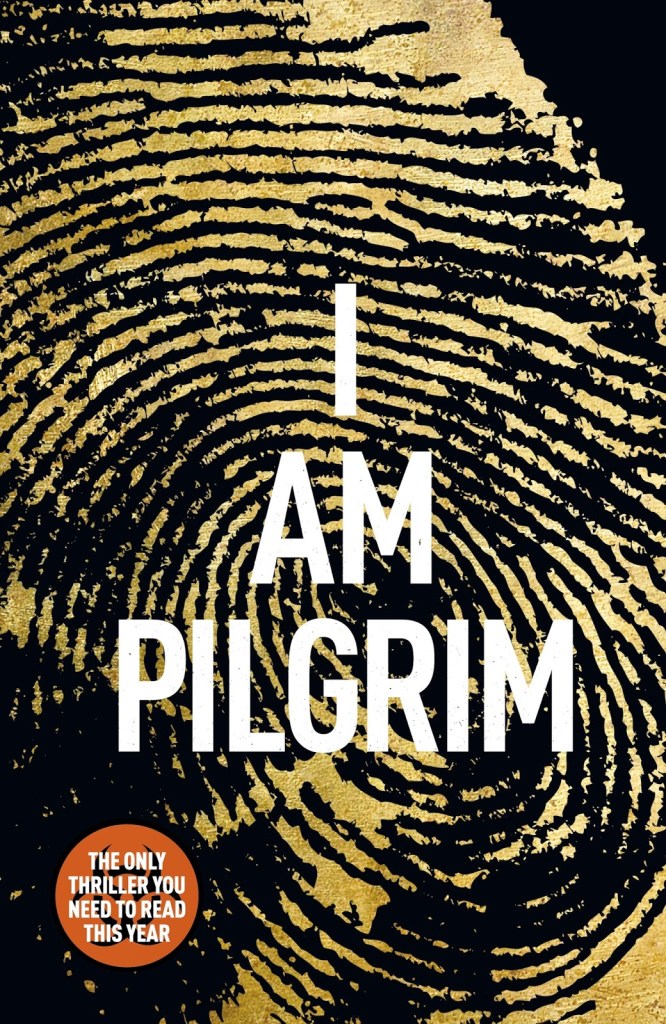
This spy thriller, published in 2023 is more up Mr Grigg’s street than mine, which is what I initially thought about Hayes’ debut I Am Pilgrim (2013) before I picked it up at a book swap a few years ago.

I couldn’t put it down, it was gripping.

My well-read friend, The Fragrant Mrs Putter, told me she felt the same, so I was in good company.

It still hasn’t been made into a film yet, which I find astonishing, although there are references online to Pilgrim being in production.

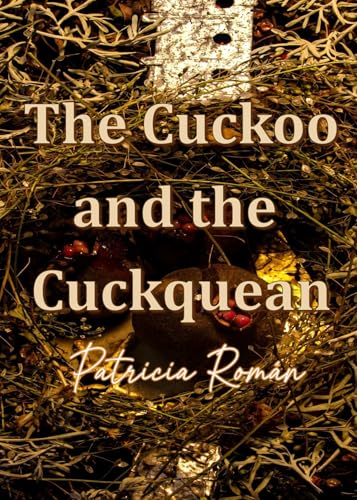
I’m about to embark on The Cuckoo and the Cuckquean (2025) by Patricia Román. The novel is about Spanish Suffragettes – a new subject for me, but it’s good to move out of one’s comfort zone every now and then.

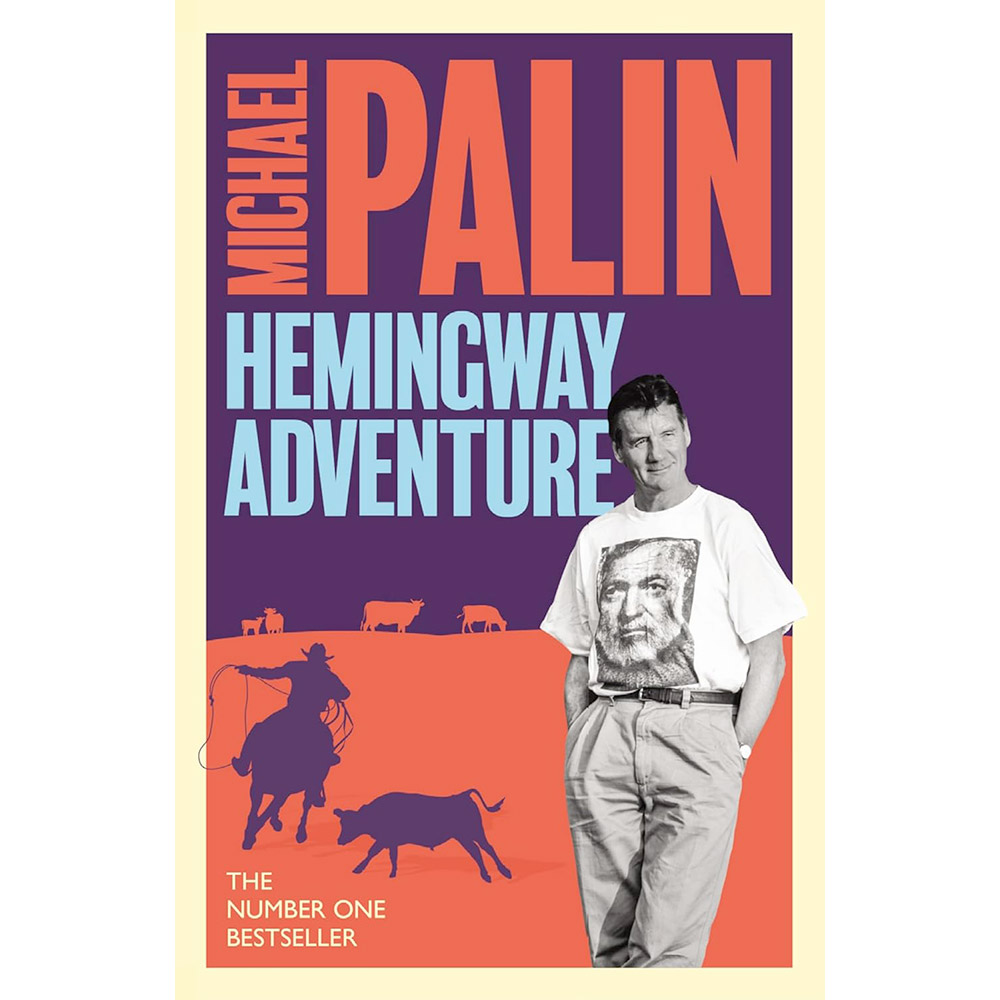
I finally read Michael Palin’s Hemingway Adventure (1999) as part of research into one of my family stories and, although I still don’t very much like Hemingway as a man, it confirmed my view of Palin as an extremely engaging and talented writer.

While I haven’t been reading, I have been listening to quite a few podcasts.

I’m hooked on both the UK and the US versions of Goalhanger’s The Rest Is Politics, which are such ear openers when it comes to staying informed about the corridors of power and the strange things happening on planet Earth right now.

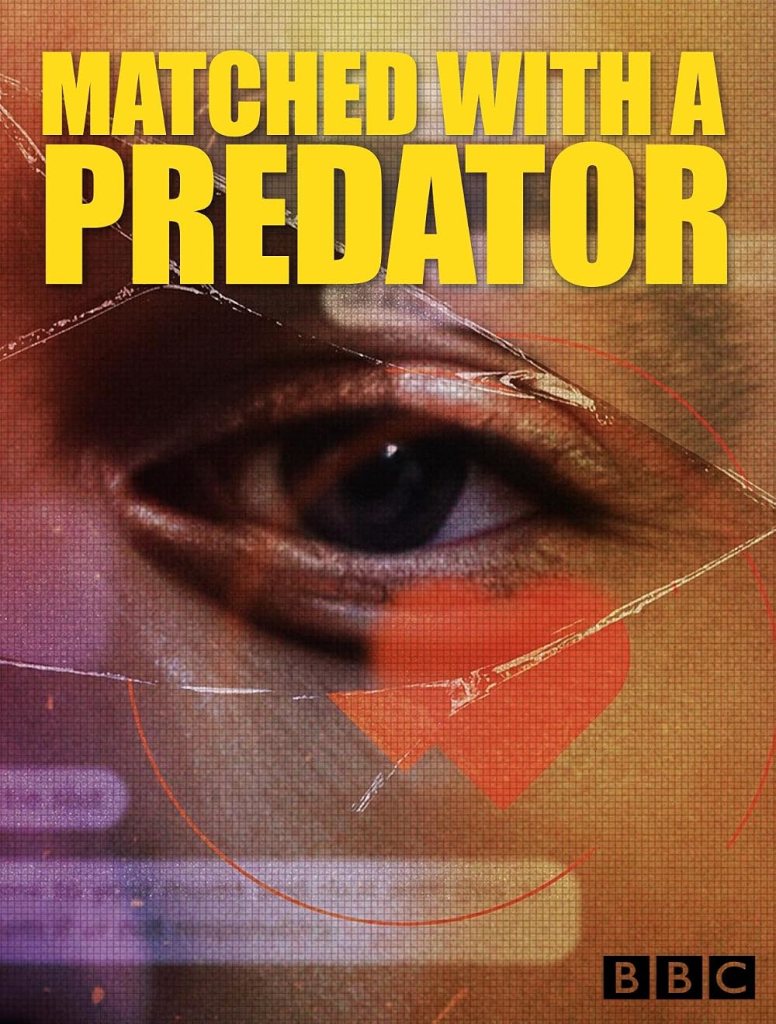
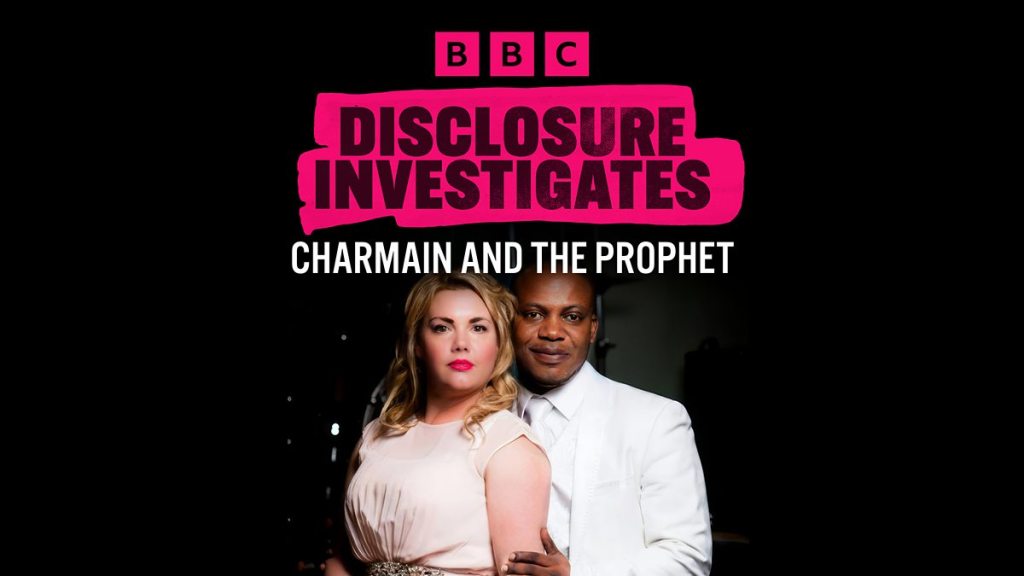
The BBC’s Disclosure Investigates series are really good. I’ve listened to two standout documentaries – Charmain And The Prophet {2026) and Matched With A Predator (2025). The programmes’ common link is the horrendous consequences of controlling behaviour by men over women.

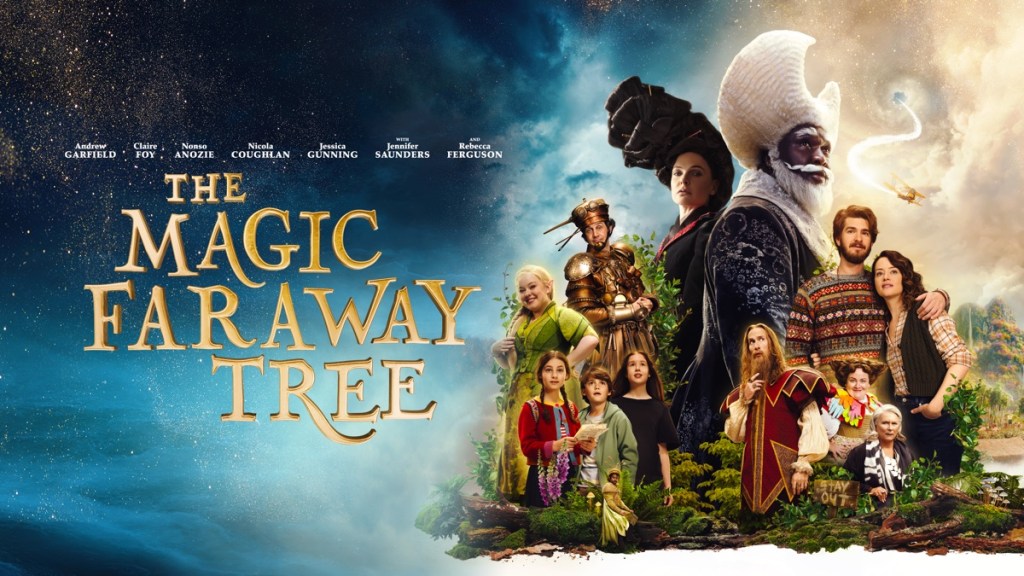
To provide some light in the darkness, I’ve also watched The Magic Faraway Tree (2026), ostensibly a children’s film based on the book of the same name by Enid Blyton.

It was beautifully done, and so, so enjoyable, with the original story updated but still with a glorious, life-affirming fantasy at its heart.

Fearing I might have gone a bit soft in my old age, I looked up the reviews afterwards to see if the critics agreed with my verdict. They did, wholeheartedly.

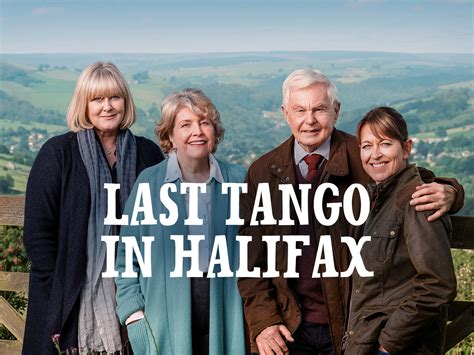
We’ve also binge watched Last Tango In Halifax (2012-2020, BBC) – great, character-led drama which is down to the brilliant script of the show’s creator, Sally Wainwright, and the superb cast.

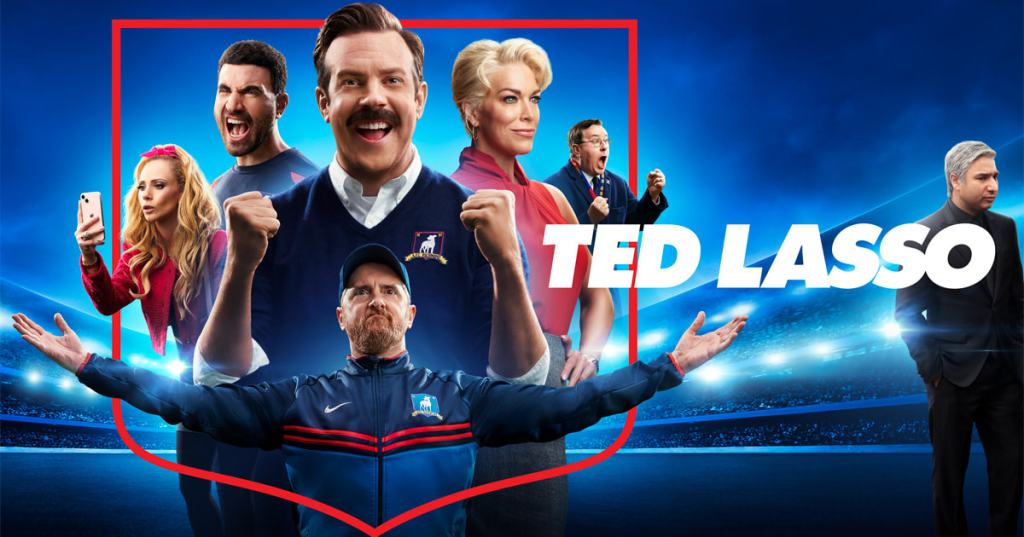
Now starting, rather late in the day, on Ted Lasso (2020-present, Apple TV) and enjoying it immensely.

Can’t wait for the new series of the BBC’s Small Prophets (2026) to appear on our television screens. And with Slow Horses (2022-present, Apple TV) flying out of the traps, telly just got a whole lot better.

To live without my music…

In the words of singer songwriter John Miles, ‘would be impossible to do’.

It’s funny, I’m not keen on that song much, but, for me, the lyrics are so true.

I’ve been surrounded by music all my life, growing up in the 60s and 70s as the youngest of five.

And I think my siblings’ influence gave me eclectic tastes. I also have a son who is my musical guru when it comes to ambient, electronica and chillout.

I’m not one of these people who live in the past and complain that the music today is rubbish. It’s just different.

I love hearing new stuff in all genres, from all over the world, which is why I listen to BBC Radio 6 Music, especially on Saturdays and Sundays (especially Sundays with the wonderful Cerys Matthews‘ show and Guy Garvey’s Finest Hour.)

Headphones are always part of my writing kit when I’m trying to focus on getting words on the page.

Instrumental music taking me into imagined worlds and cutting out world noise is what suits me best.

When I was writing my new novel, Plashy Fen, my go-to album was Synaesthesia, by the Fresh Handmade Collective. You can listen to it on YouTube here.

The blurb on Bandcamp, where you can buy the album, states:

Bird song and an orchestral score place you in the Dorset countryside on a perfect English Sunday morning.

Passing through the day into a fantastical twilight, you arrive at the heart of a still forest in the dark, deep, depth of the night.

Soft rain brings in a glorious dawn chorus and the clarion calls of rooks and jackdaws herald your journey off the Scarborough Fair.

It was created by the late Simon Emmerson, Lush founder Mark Constantine and musicians from The Imagined Village collective, for use in Lush’s spa treatments.

It’s beautiful and was my personal soundtrack for Plashy Fen, blending perfectly the sounds of nature and the gorgeous musicianship of Simon – who lived and recorded in my Dorset village – and his talented friends.

Now that Plashy Fen is an actual book (out on Kindle now and published as a paperback on 29 September), I’ve put together a playlist of music to accompany it.

I’ll post a link to that soon, together with a bit of an explanation as to why I’ve chosen some the tracks. Listening to it is not compulsory, but when – and if – you read the book, you’ll understand my choices.

That’s about it.

Love, Maddie x