Fiction, snobbery and a book launch

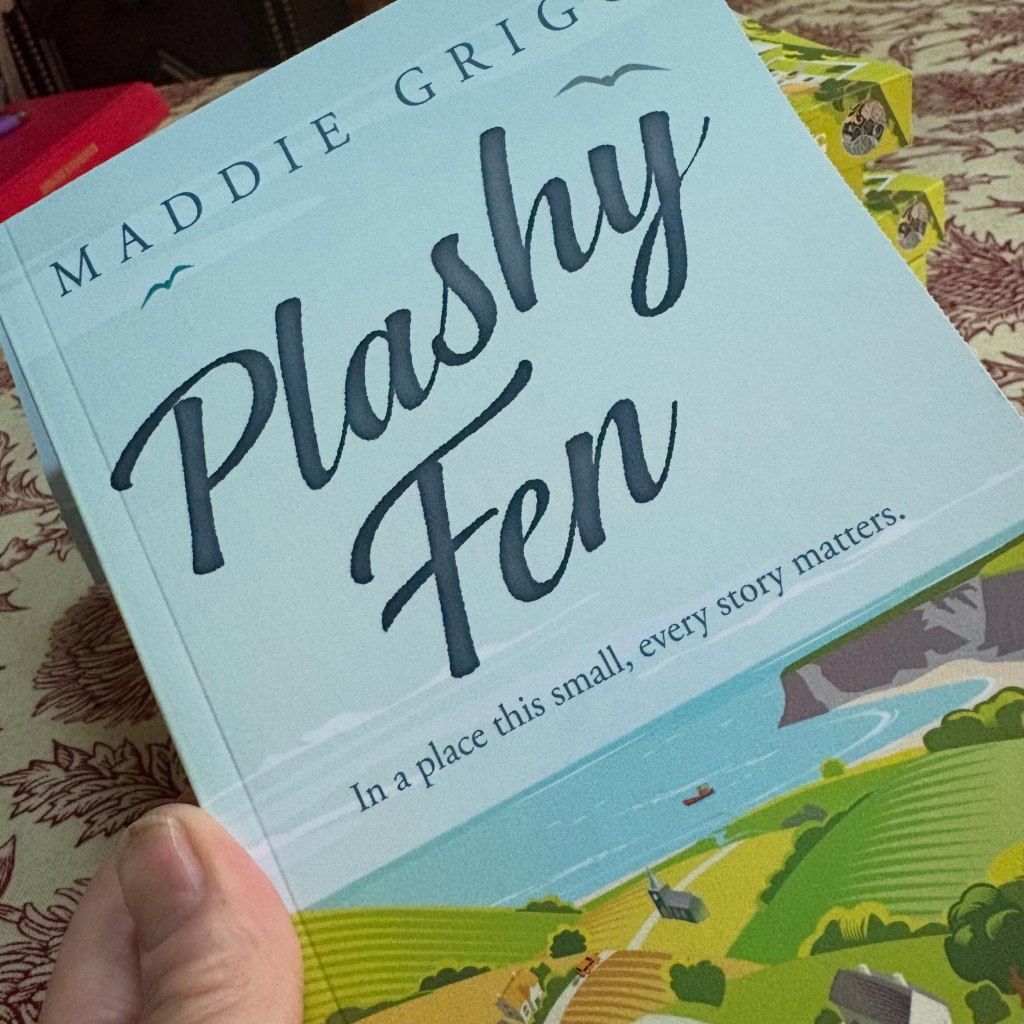
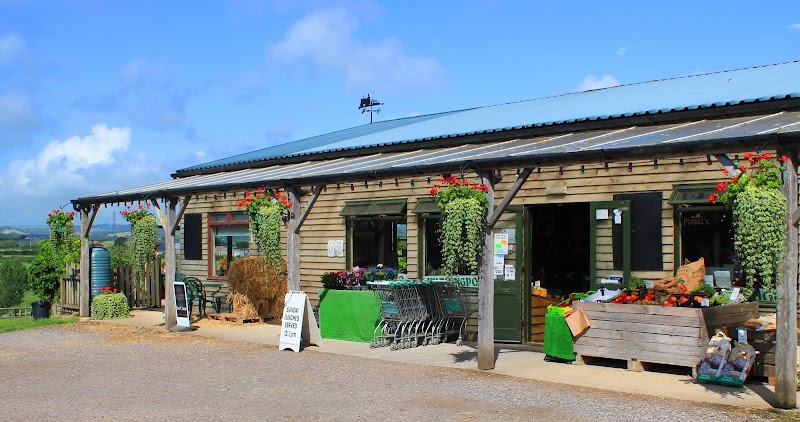
I’m busy practising my signature for the launch of my new novel, Plashy Fen, which happens this coming Saturday at Washingpool Farm Shop, on the north western outskirts of Bridport.

As I write fiction under my pen name, my signature can be anything I want it to be – but I do need to make sure it fits and looks right on the page.

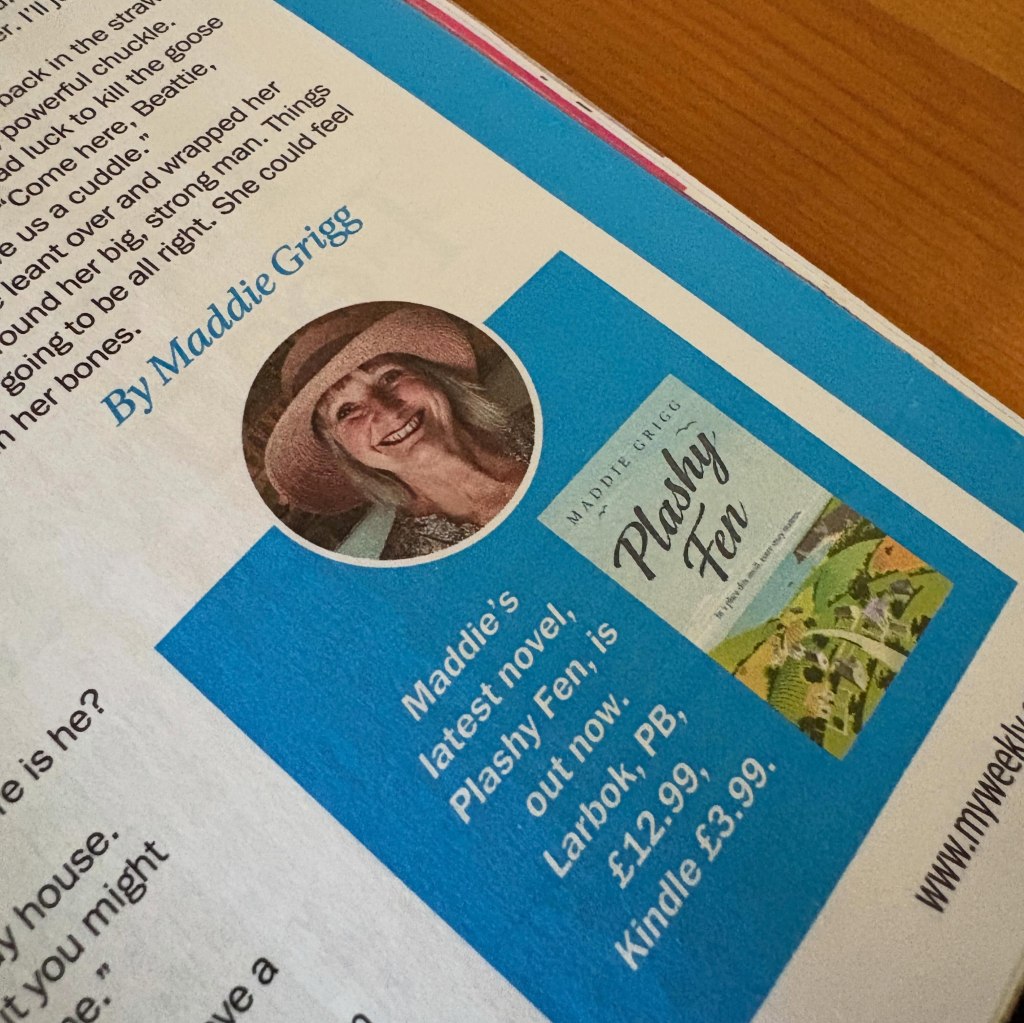
I had a short story published in My Weekly magazine last week, which features one of the characters from Plashy Fen who, in the novel, is an elderly widow by the name of Beattie Dominey, who talks incessantly and unashamedly to her late husband.

In the My Weekly story, entitled A Feast for Michaelmas, Beattie is a young newlywed in 1959 who fears her goose may well and truly be cooked if she doesn’t stand up for herself very soon.
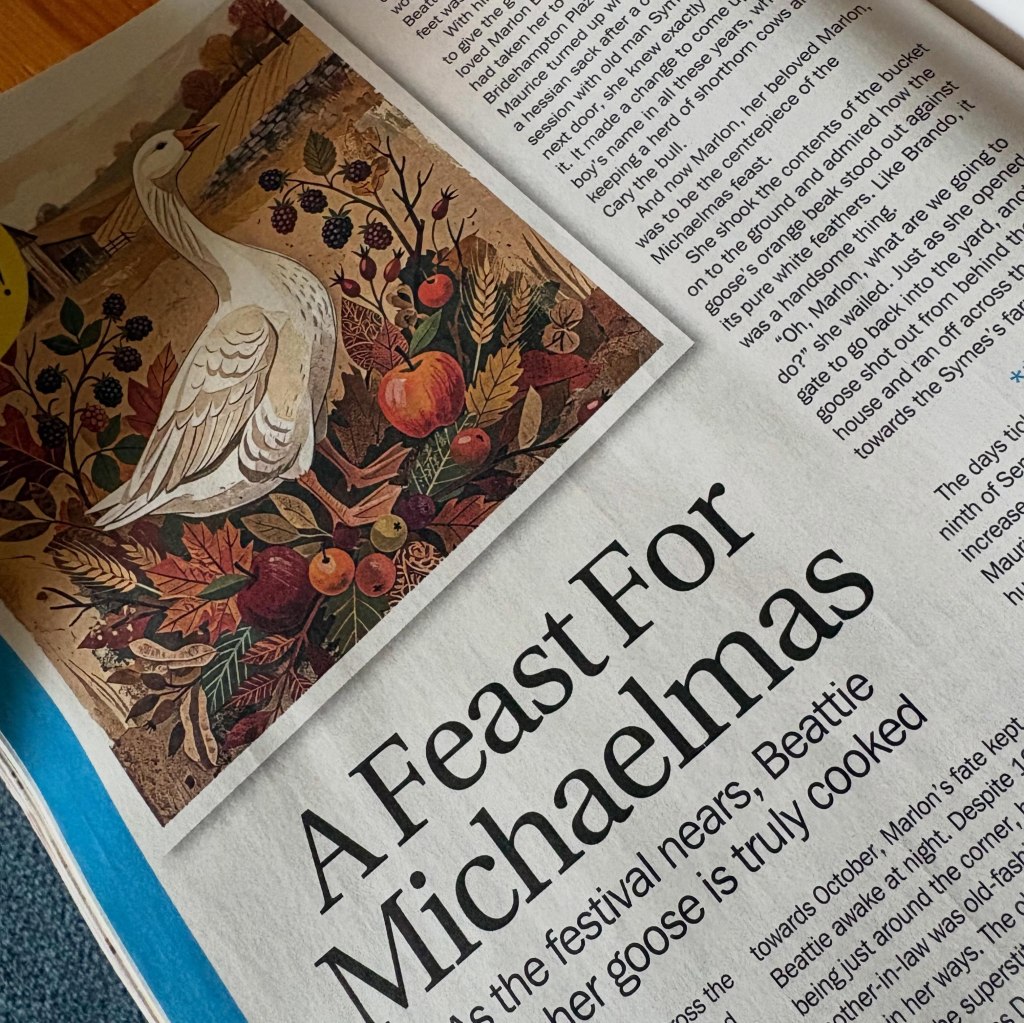
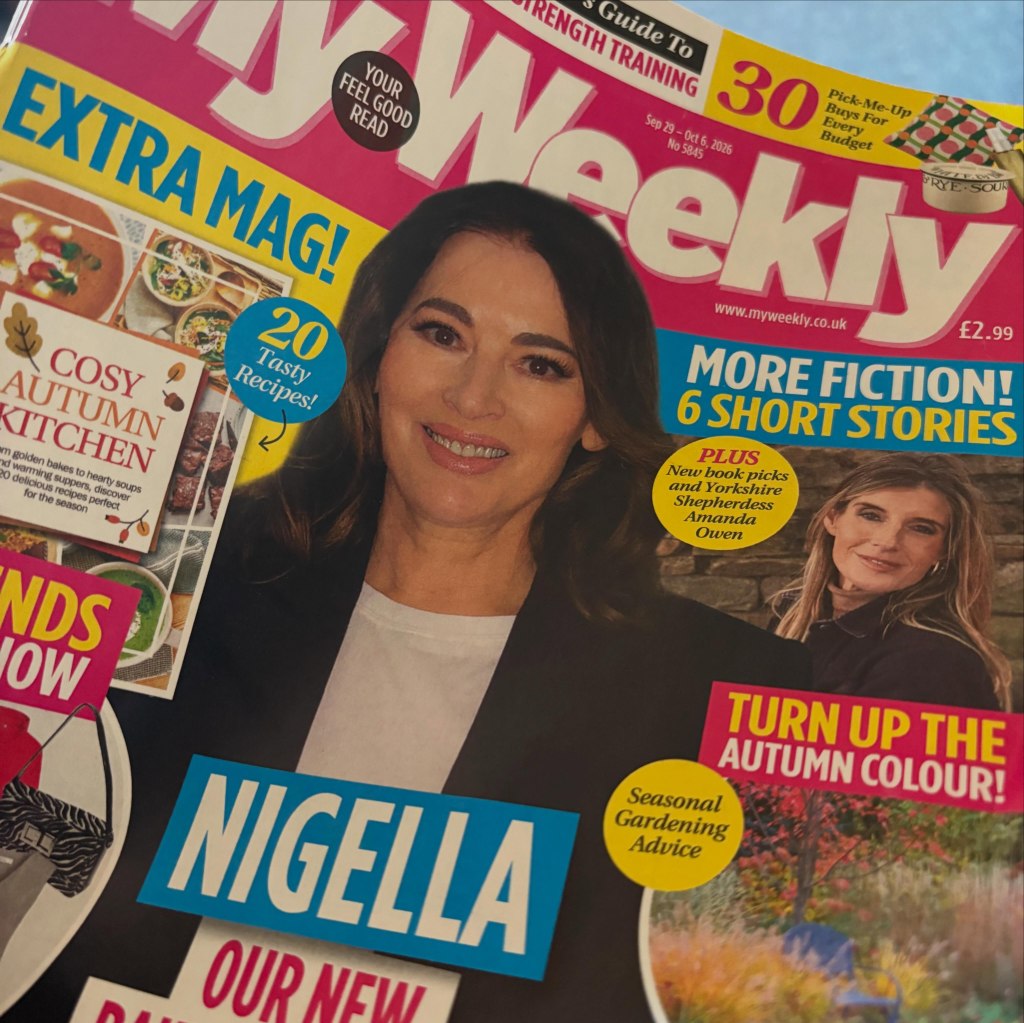
It’s the first short story I’ve ever submitted to a women’s magazine – one, because I have an innate fear of rejection and, two, because I’ve been such a snob over the years by dismissing short stories in popular magazines as being pulpable rather than palpable.

It’s taken me a long time to untie my prejudices and cast off the sneering voice of an old acquaintance who poured scorn on me landing a weekly column in a national magazine eleven years ago because it was The People’s Friend, which clearly didn’t measure up to her literary tastes.

I had been buoyed up by being emailed out of the blue by the editor who had seen my old blog online and told me: ‘I think you might just be the writer we’ve been looking for! I like your ability to write with humour about the minutiae of daily life, but with a touch of emotional depth, too.’

To be approached like this by the world’s longest-running weekly magazine for women is something which still makes me smile. Especially when D C Thomson also publishes the Beano.

Their publications reach real people. Lots of them.

There is so much snobbery around fiction. And I can’t stand pretentiousness, superiority and massive egos.

Something I saw recently on Instagram by writer Matt Haig stopped me in my tracks.
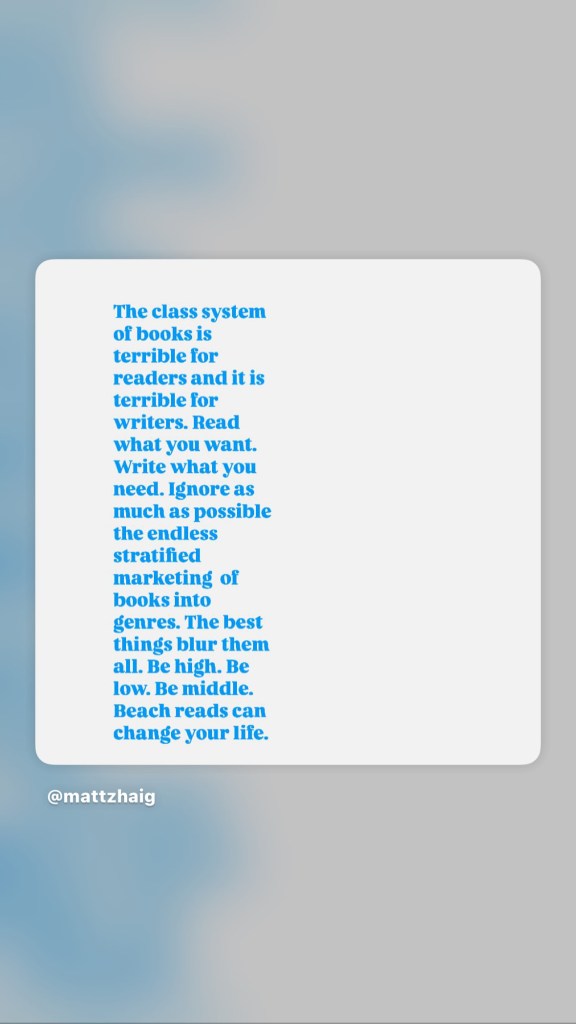
Yes. This.

It’s so true – there are books and genres for everyone.

I don’t know about you but I like all sorts of fiction and writers. I prefer coming-of-age stories set in small towns, fast-paced thrillers and exquisitely written prose by quiet writers like Elizabeth Strout, Anne Tyler and Ann Patchett in which universal truths and common humanity are found in the everyday and mundane.

And I like whip-smart, contemporary novels that make me laugh, science fiction by the likes of Ray Bradbury and Stephen King and classics such as The Return of the Native by Thomas Hardy and, my all-time favourite, The Great Gatsby by F Scott Fitzgerald.

We’re all different but the main thing that connects us readers – and writers – is the very act of reading itself.

The luxury of immersing ourselves in a good book and being able to escape from all the dross life can sometimes serve up is just priceless.

So. here’s to happy reading and writing for all, whatever your preferences may be.

There is no such thing as good or bad taste – it’s just someone else’s.

And if you’re around Bridport way on Saturday, please pop in and say hello. There could be cake.
Paperback publication day

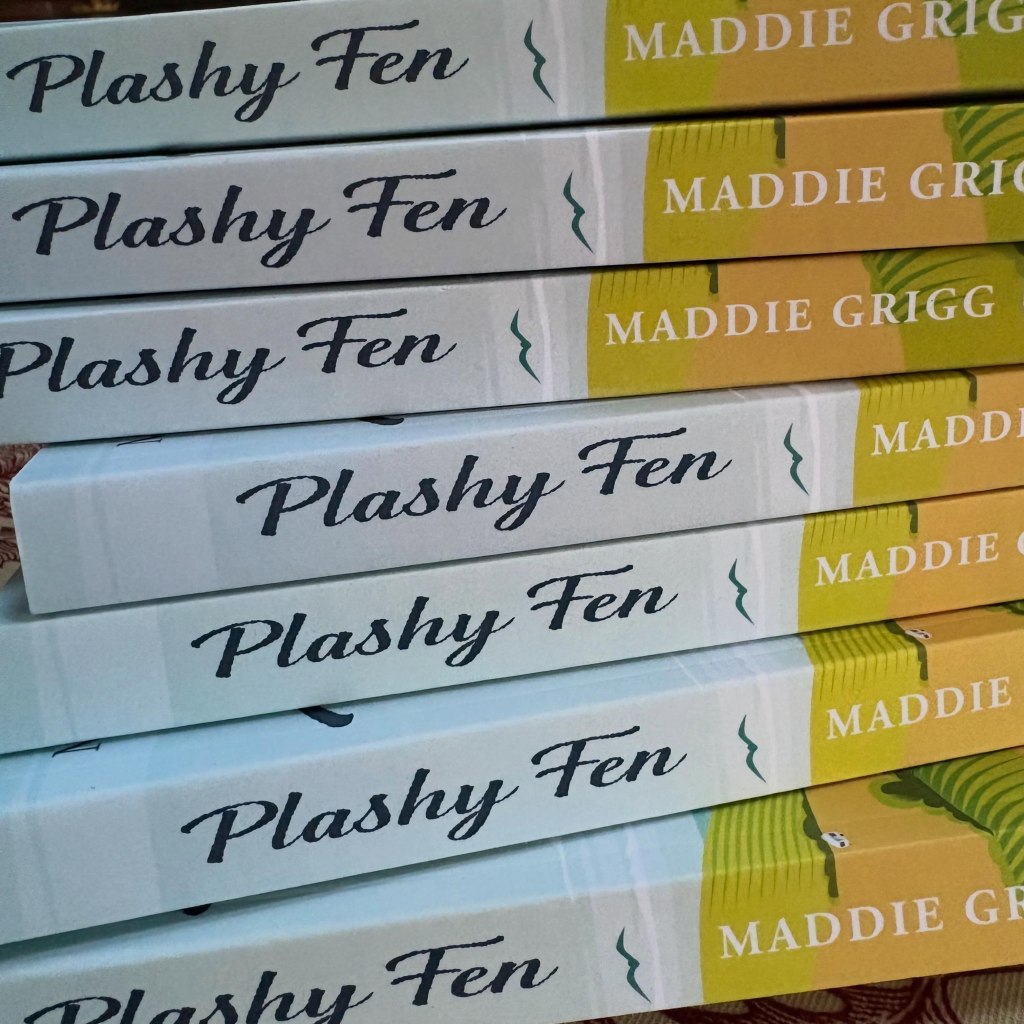
Plashy Fen is now available in paperback today.

Publication coincides with Michaelmas Day, one of the quarter days I write about in the novel:

Today, Maurice’s ghost is taking in the autumn sunshine. It is 29th September, Michaelmas Day, the Feast of Michael and All Angels, a day that sits on the edge of winter, the last date for the harvest to be in.

When Maurice was alive, he and Beattie used to celebrate the day with a fattened goose to protect themselves and the girls against financial hardship.

“Eat a goose on Michaelmas Day,  want not for money all the year.”

The ghost of Maurice Dominey is one of the many characters in Plashy Fen, a small village layered by the stories of its characters.

There’s put-upon Lindy Vickery, hard-as-nails estate agent Anna Arborio (Maurice’s elder daughter), the teenage triplets Merlin, Ralph and Billy and the Symes brothers who live in three separate caravans in far-flung corners of their field.

There’s a celebrity chef, a nice and not-so-nice pub landlord who, naturally, are bitter rivals, and a grief-stricken vicar questioning his calling.

Possibly too many characters to get your head round straight away, but stick with it, rural villages can be a bit like that until you get to know them.

Said one reviewer: “By the end, I felt that I knew the people of Plashy Fen. In fact, if I ever walked into the Raven’s Head and found them sitting at the bar, I’d happily buy them a pint—or a glass of wine—and join them.

“A warm, funny, poignant and beautifully observed novel. Five stars.”

You can order Plashy Fen from bookshops or Amazon. It’s also available on Kindle.

Mary Anning at Lyme Regis

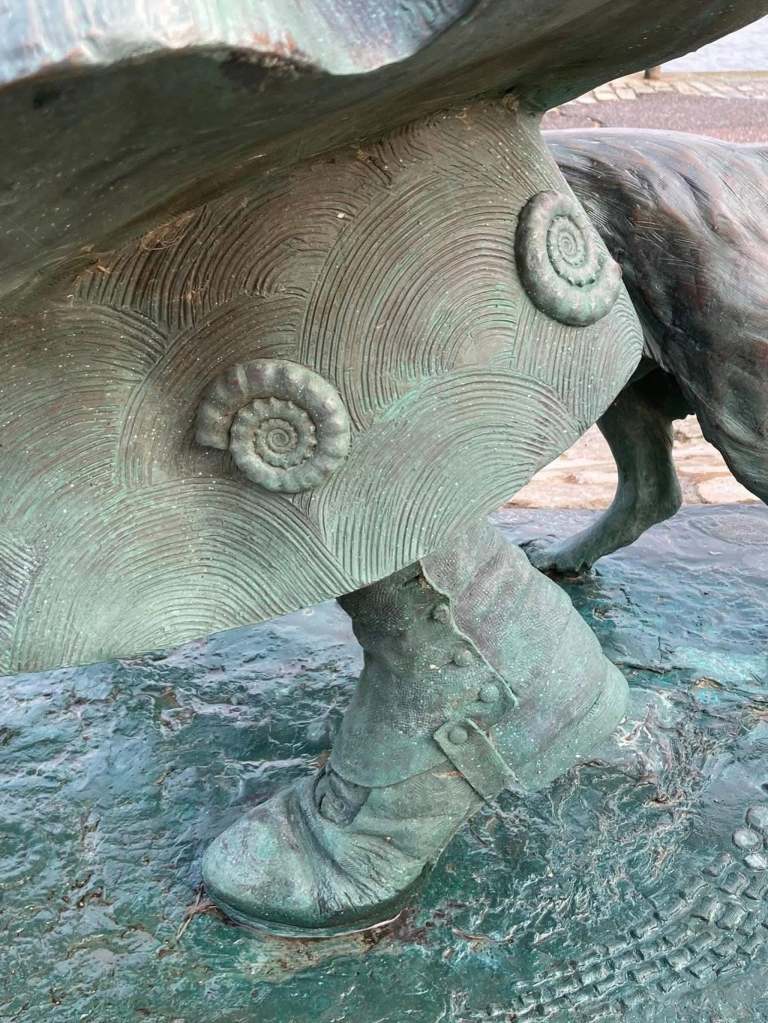
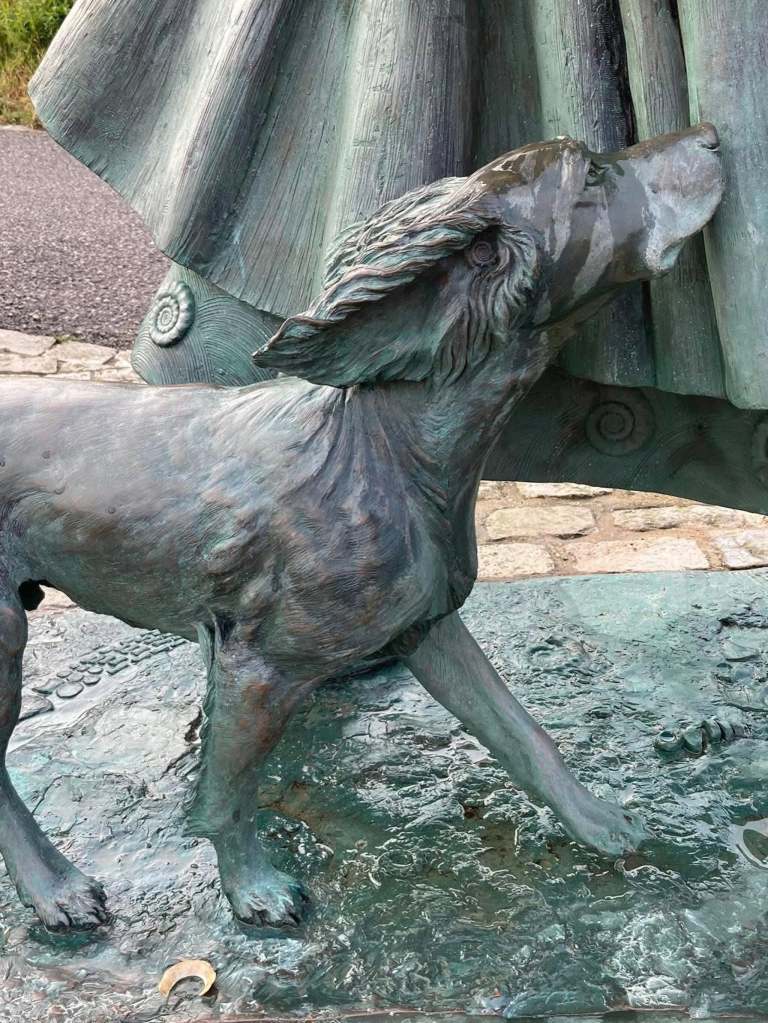
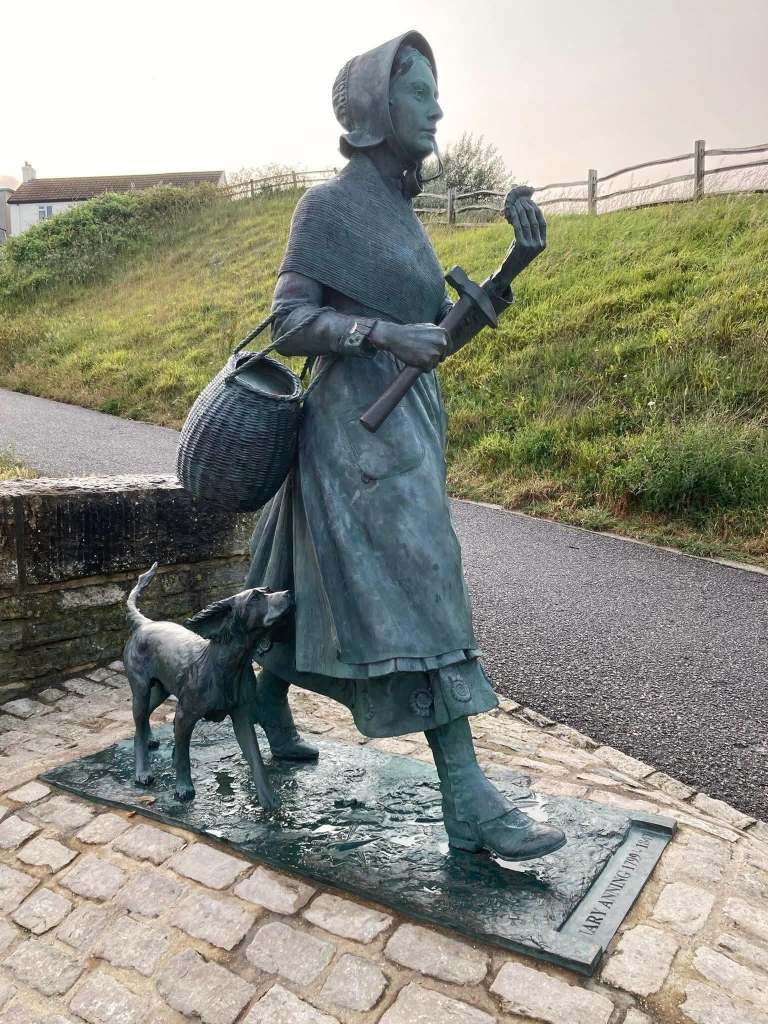
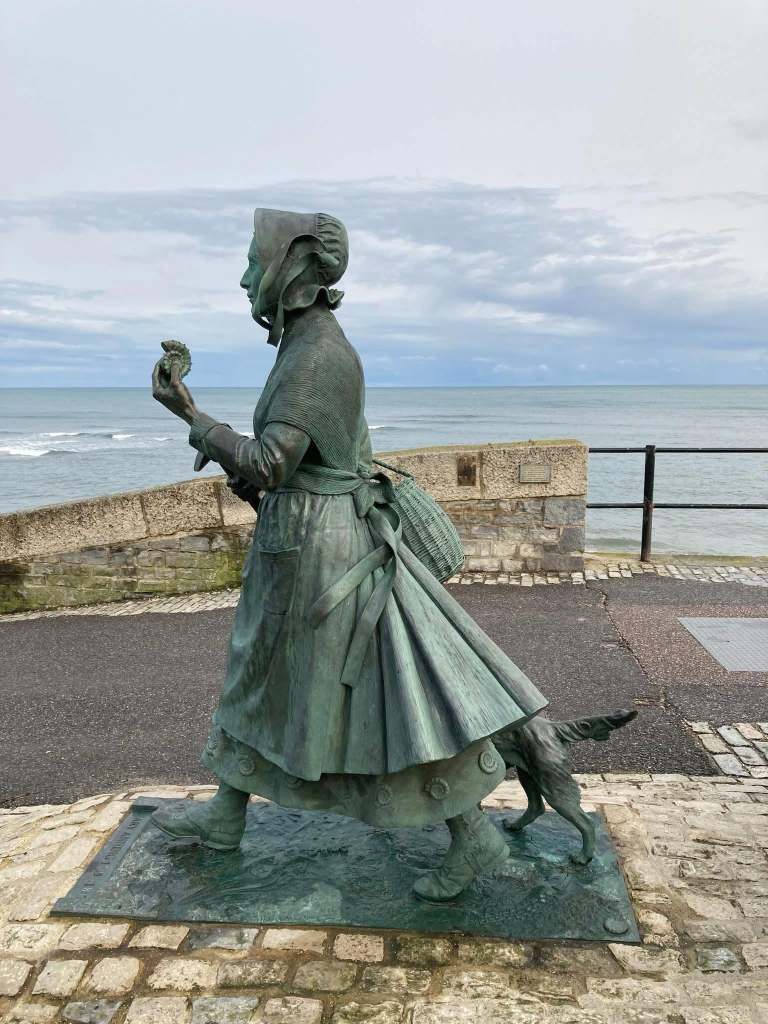
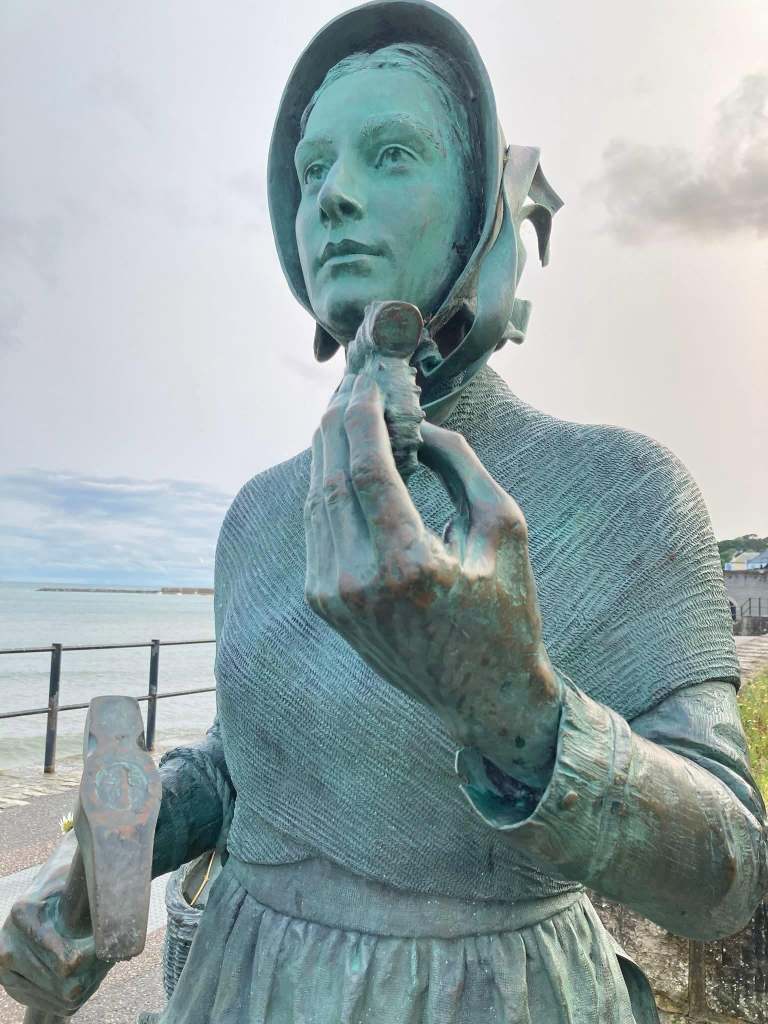
This bronze statue of palaeontologist Mary Anning strides off towards the cliffs she once explored with great success at Lyme Regis, Dorset.

It was created by sculptor Denise Dutton and unveiled in 2022 on the anniversary of Mary’s birth in Lyme in May 1799.

The story behind the statue is very inspiring. It’s all down to a 11-year-old girl, Evie Swire, who started a campaign, with the help of her mum, for a monument to the 19th century scientist. The campaign highlighted the bias of UK statues of men to women (more than 85% men).

Despite false starts during the COVID-19 pandemic, a crowdfunding campaign was eventually launched. The Mary Anning Rocks group also sold T-shirts to raise money to commission a statue in honour of the scientist, whose discoveries in the Jurassic marine fossil beds at Lyme brought her to international attention and contributed to changes in thinking about prehistoric life and the Earth’s history.

Mary discovered the first correctly identified ichthyosaur skeleton when she was just 12.

The statue was unveiled by Evie and Professor Alice Roberts.

It beautifully captures determined movement. The level of detail is astonishing.

It’s behind the Marine Theatre overlooking Black Ven.

Book launch – save the date!

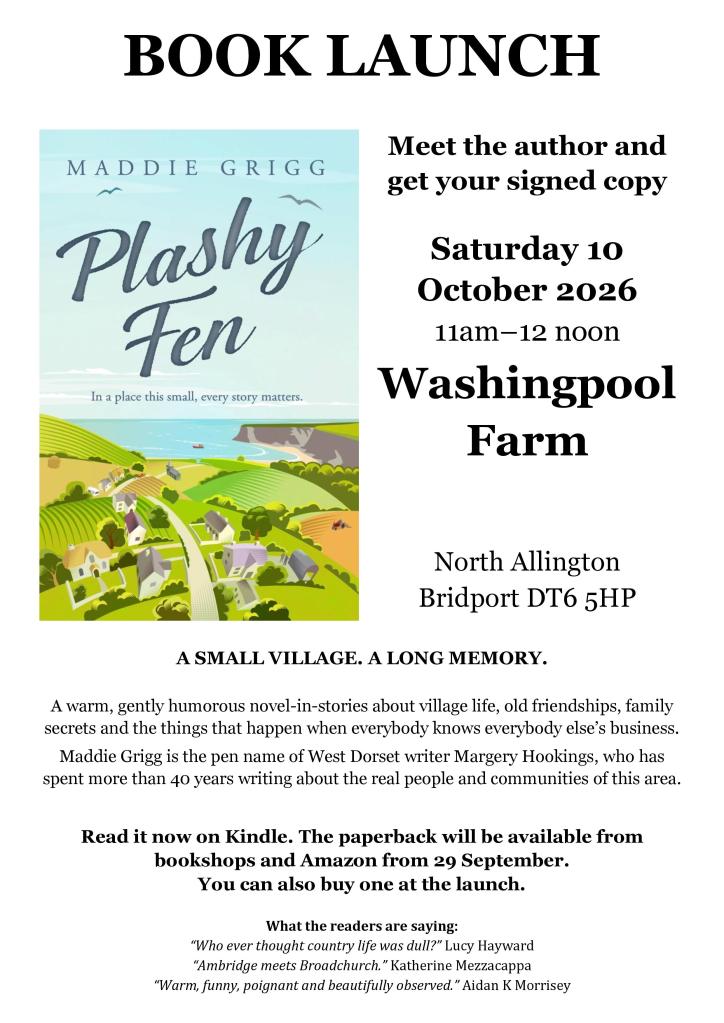
I’m delighted to announce I’ll be launching Plashy Fen on Saturday 10 October at Washingpool Farm Shop, Bridport, from 11am-12 noon.

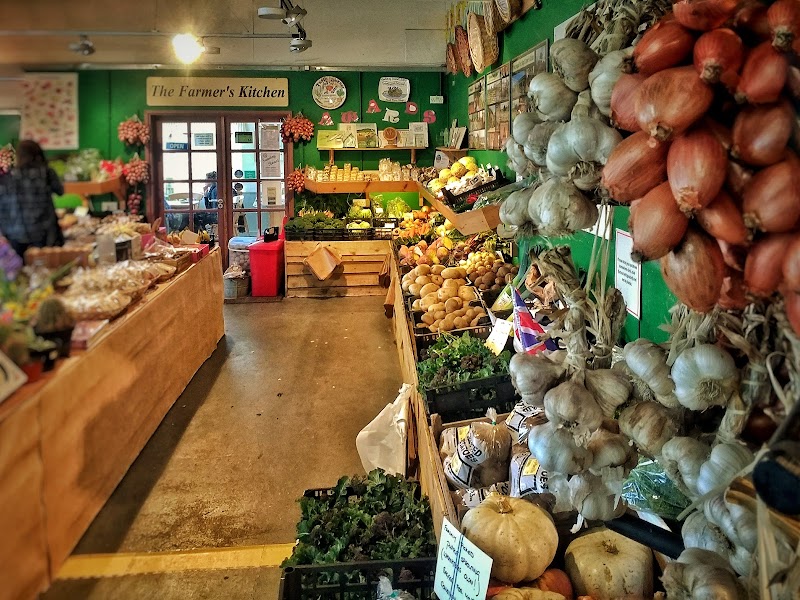
It’s a particularly appropriate venue because one of the key locations in my new novel is a village farm shop, run by Derek and Maggie Galpin.

Like the Holland family who run Washingpool, my fictional couple started the business years ago, way before farm shops were a ‘thing’ and farm-to-plate food became fashionable.

Derek and Maggie were far ahead of the curve and worked as hard as a pair of oxen to get where they are now.

Things happen at the farm shop in Plashy Fen, an imagined Dorset village overlooking the sea.

A jar of olives get spilt on the parish council welcome pack that has been put on the counter. And a couple of hoity-toity incomers’ children scrump the apples on display, much to the annoyance of Derek’s sister, Lindy, who works there part-time.

Lindy is the glue that holds the disparate yet desperately connected village together.

She works at the farm shop part time, in between looking after grandchildren and studying for a back-to-nursing course.

The Holland family started their business in 1971, when Lindy would have been still at primary school.

When I first arrived in Bridport as a young reporter back in the early 80s, I remember the Washingpool market stall and shop in West Street.

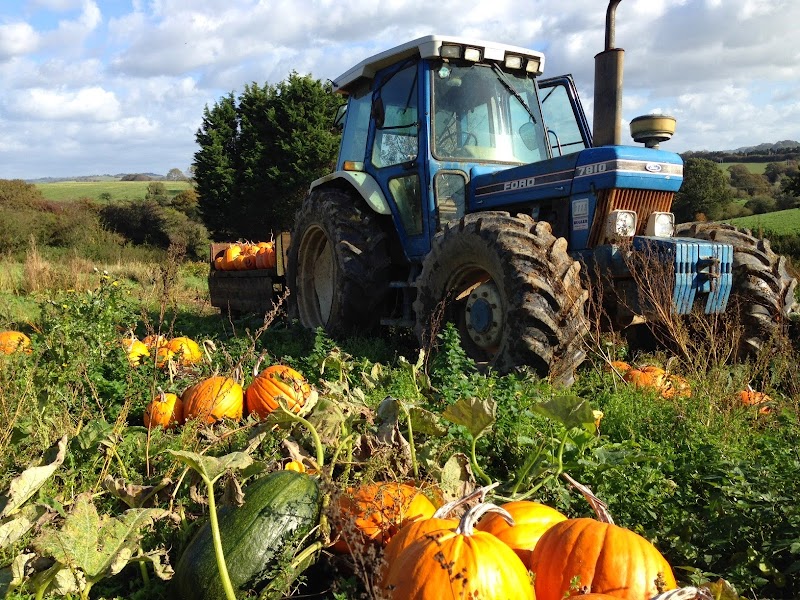
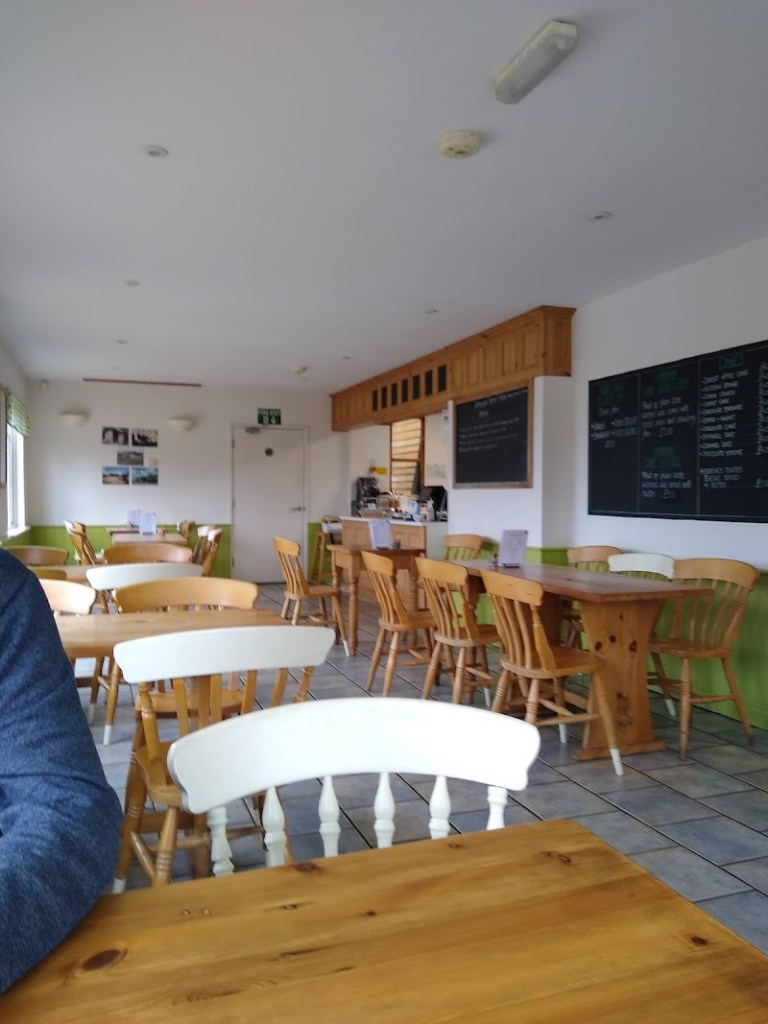
The business has grown dramatically. Now, it’s an award-winning farm shop on the outskirts of town, with a restaurant,  two holiday cottages and a caravan and motorhome site, set on a 80-acre working farm produging its own Devon Ruby Red beef, eggs and an array of fruit, vegetables, flowers and potatoes.

I’m looking forward to seeing you if you can make it on 10 October. If you’ve already bought a book (it comes out on 29 September), I’ll be happy to sign it but I will have copies available.

And just a thought, if you were thinking of coming along, you could book in for lunch…

All the best.

Maddie x

Why Plashy Fen?

The title of my new novel, Plashy Fen, came to me in the middle of the night a few years ago.

I wasn’t happy with the working title I’d given it, as who the hell did I think I was, calling it Dylan’s Wake, in a nod to the author of the wonderful Under Milk Wood, which is one of my favourite books.

And anyway, early beta readers told me they thought it was going to be about the funeral party of someone called Dylan.

I’ve been writing a column for The People’s Friend for over a decade now, after the then editor emailed me out of the blue telling me she’d seen my blog, The World From My Window, and would I like to write for the magazine?

She said (and it’s etched in my mind): ‘I think you might just be the writer we’ve been looking for! I like your ability to write with humour about the minutiae of daily life, but with a touch of emotional depth, too.’

So I introduced my village to Friend readers as Lush Places, named after the fictional newspaper column by the hapless and fictional nature writer William Boot, who, through a case of mistaken identity, becomes a war correspondent for The Daily Beast.

Lush Places from Bluebell Hill

Boot is the main character in Scoop by Evelyn Waugh, which was published in 1938. It’s dated now and very politically incorrect but I loved the juxtaposition of a naïve, gentle writer in the cut-and-thrust world of horrid Fleet Street hacks out to make a name for themselves in a forgotten corner of the world.

I was redrafting my latest novel about Lush Places’s seaside sibling when the new village’s name – and book title – came to me during the early hours of the morning.

There is a line in one of Boot’s nature columns – ‘feather-footed through the plashy fen passes the questing vole’ – which has come to signify an affected style when it comes to nature writing.

I guess the the term plashy fen must have stuck with me. It’s become a bit of a personal joke and serves the purpose of making me check my prose style every now to make sure I’m not coming across as a complete jerk.

So that’s the story of how Plashy Fen got its name.

But the characters, well, they’re a different story…