August book reviews

There have been some stinkers in my reading material of late, so I’m delighted to share with you two five star reviews for two very different novels.

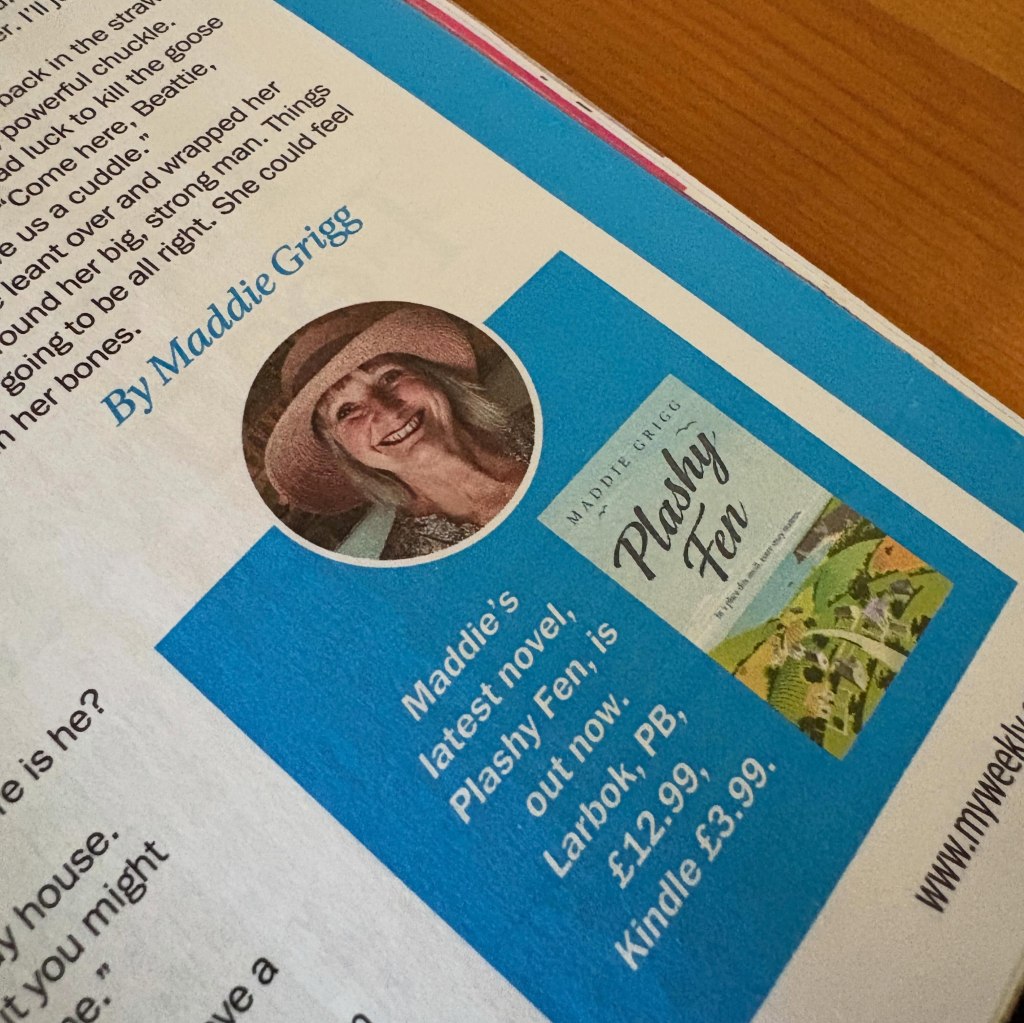
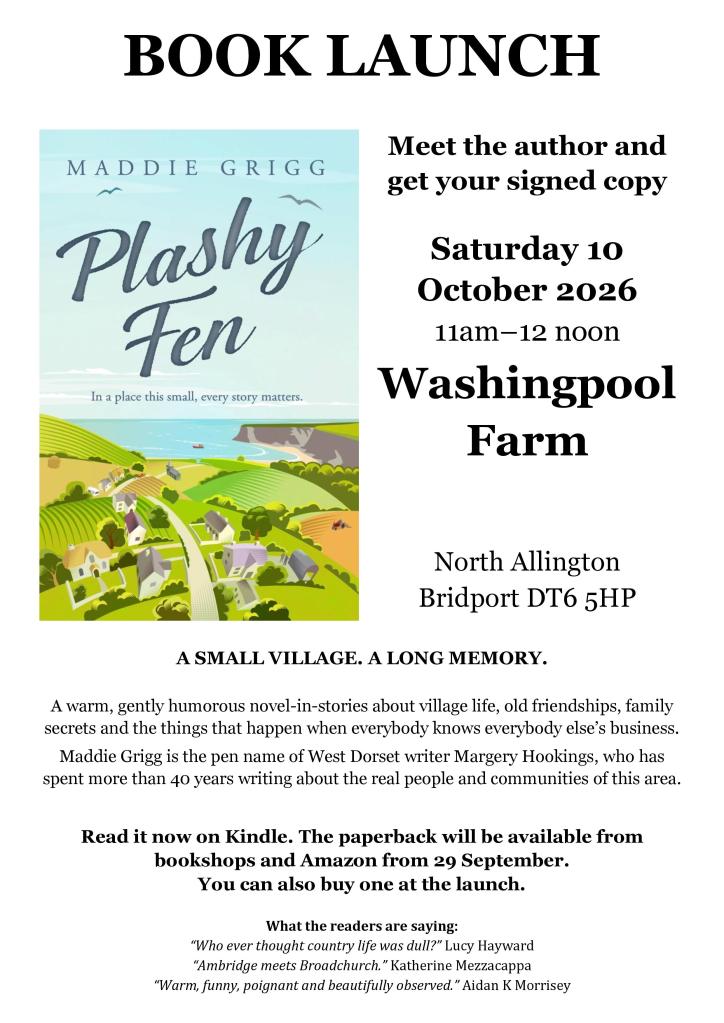
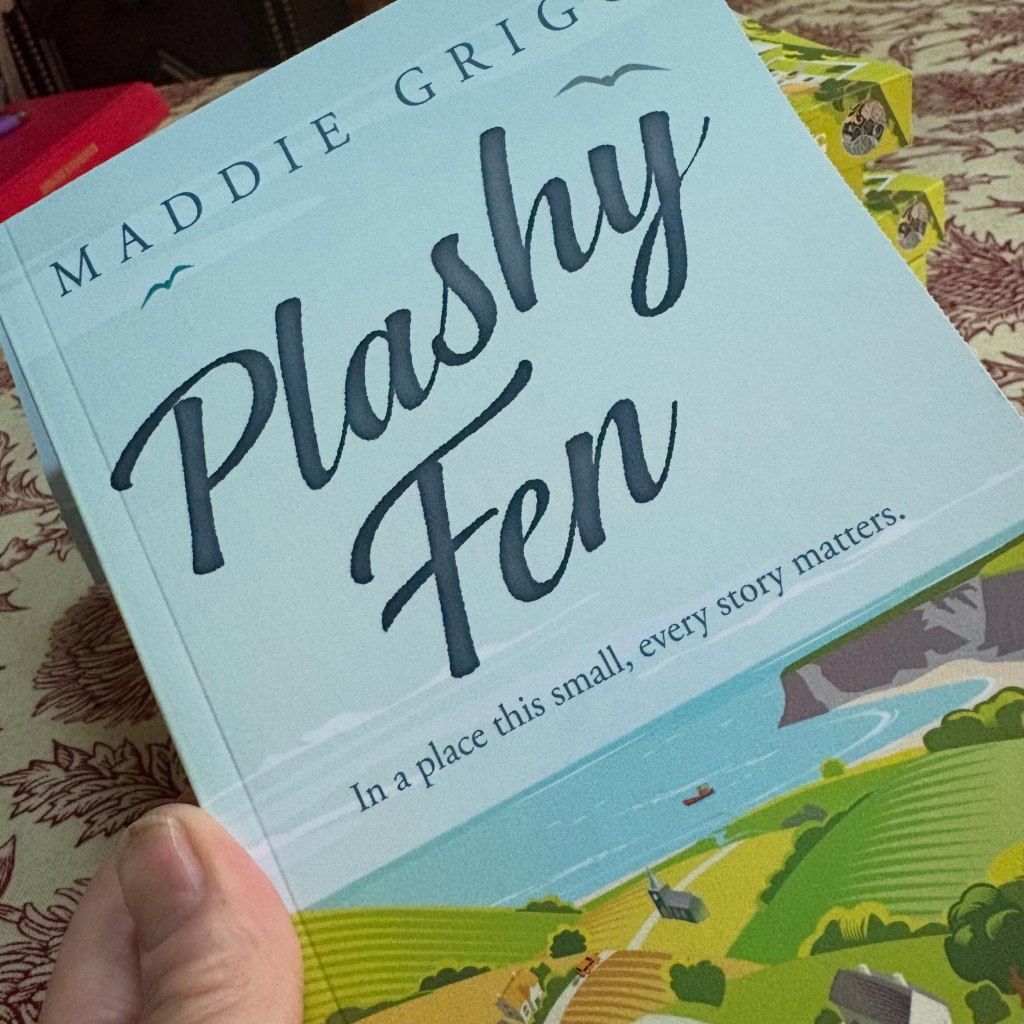
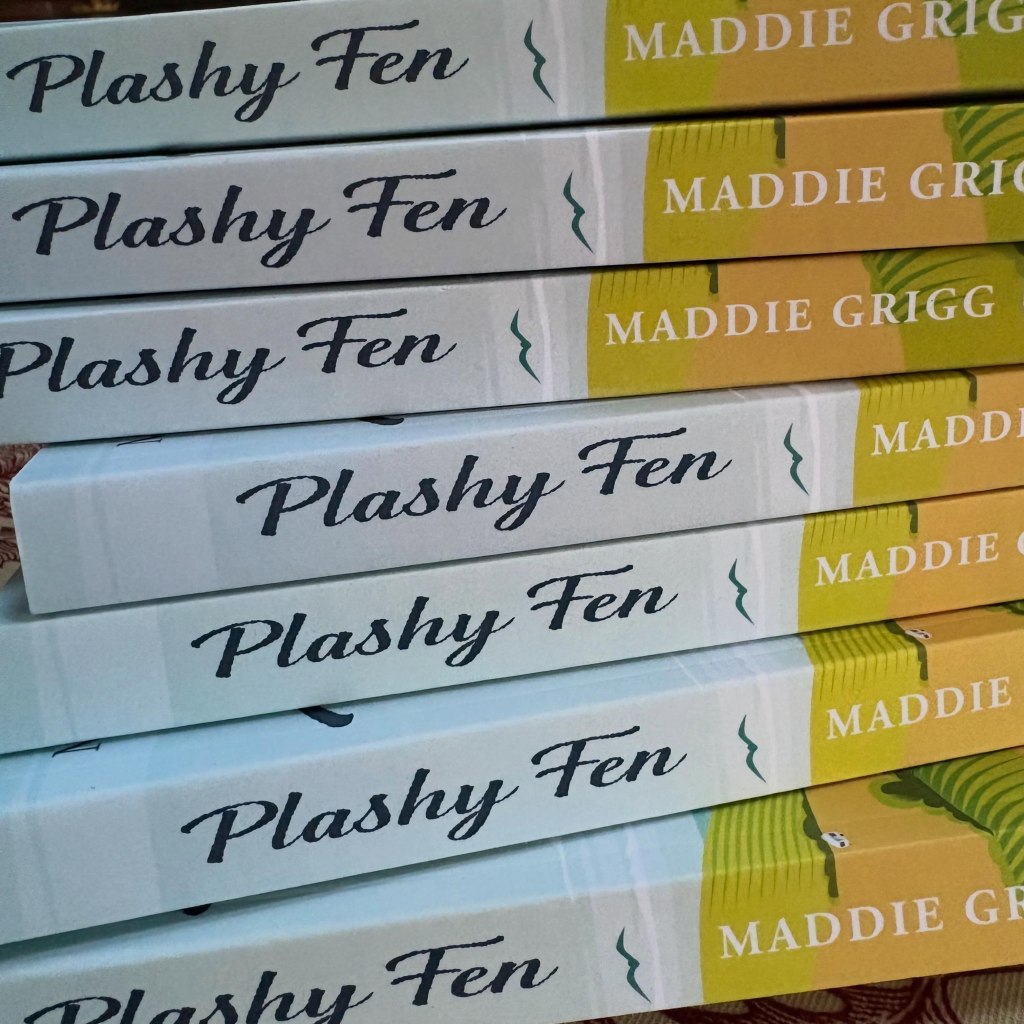
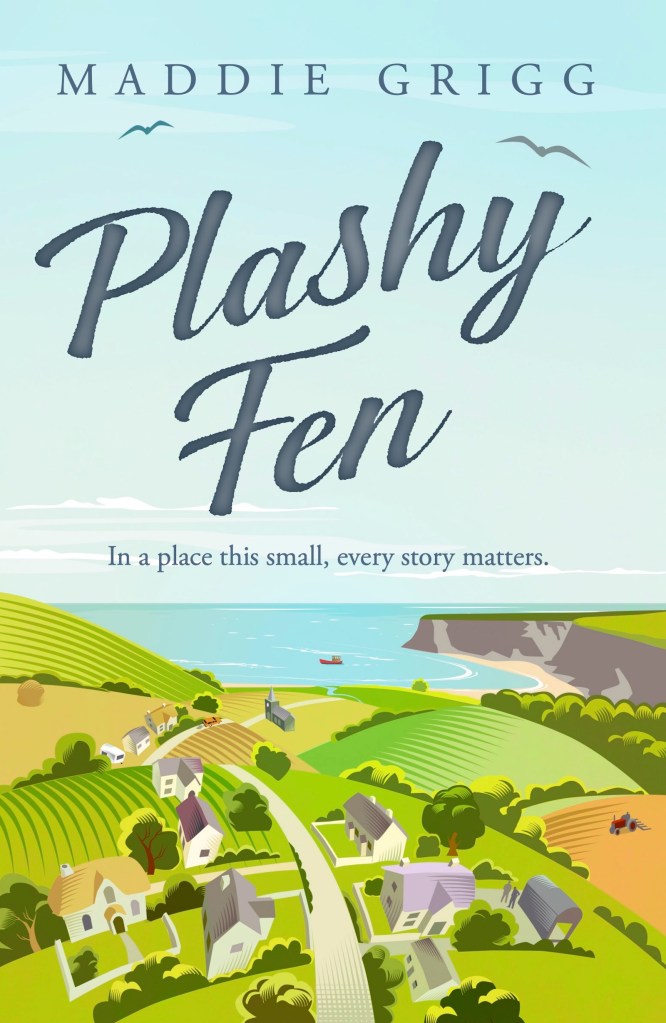
Books have taken a little bit of a back seat in recent months as I put the finishing touches to my own novel, Plashy Fen, which will be out very soon, and research a narrative non-fiction story about the ancestor I share with that titan of 20th century American literature, Ernest Hemingway.

But it gives me great pleasure to recommend both these novels, which are well worth a read.

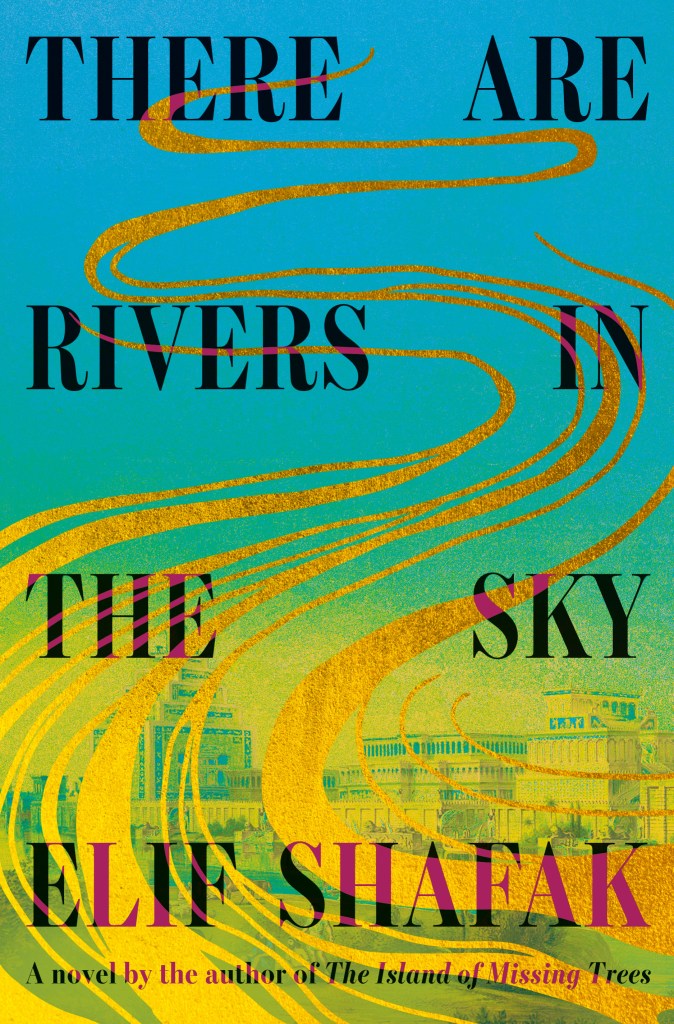
There Are Rivers In The Sky by Elif Shafak *****

(Contemporary fiction combining historical fiction, 446 pages)

This is the most extraordinary book – and a long one for me to find myself completing with great relish.

It’s difficult to summarise the plot but here goes:

After a prologue set in the ancient past, the novel follows three timelines focusing on three characters inexorably linked by a single drop of water.

We have Arthur, who was born and raised in the Victorian slums next to the Thames but possesses an incredible mind. He learns how to decipher ancient texts at the British Museum and becomes obsessed with the Epic of Gilgamesh, a poem written in Mesapotamia during the late 2nd millennium BC. He makes it his life’s quest to find the poem’s missing pieces, out in the dusty field.

And then there is Narin, a Yazidi girl living in Turkey in 2014, and Zaleekhah, a hydrologist who lives on a houseboat in London in 2018.

They lead entirely different lives but their stories are intertwined, with the past catching up with them all.

This is such a big concept book, but told intimately through the stories of the three protagonists. Beautifully written -a novel which will stay with me for a long time.

Lucie Dumas by Katherine Mezzacappa *****

(Historical fiction, 234 pages)

Katherine Mezzacappa is a voracious writer who has a real knack for finding fascinating true stories and characters from the past and turning them into literary gold, as her novel, The Virgin of Florence (2024), demonstrates.

Lucie Dumas was a real person, a young woman we would never have known were it not for Mezzacappa’s meticulous research and imaginative storytelling skills.

And it’s a good job, because Lucie’s story is important, particularly in an age where misogyny is still alive and well and living like a king, even in 2026.

Lucie is a ‘fallen’ woman, cast out of her native France and separated from the child she bore to become a prostitute in 19th century London.

She encounters many hardships and is then ‘rescued’ by a famous writer, Samuel Butler – to whom she refers as The Monsieur – who ‘keeps’ her in a modest house (with a maid) where she entertains him and other gentleman callers.

Lucie is never a victim but her tale unfolds quietly and with great dignity, a pawn in a world where men take centre stage and women are meant to fit in as they should.

The storytelling and writing are remarkable. I’d gone off historical fiction a bit but Mezzacappa has restored my faith in the genre.

This is a novel which means a great deal -it gives Lucie Dumas a voice and one with which we, the reader, empathise, giving us an unusual and important insight into the place of women in Victorian society.

Finding my bookish self

I’ve been out of the blogging loop lately, focusing on a writing project which is going to keep me busy for the next couple of years.

However, there is lots going on in the world (earthquake, heatwave, violent death and political farce) but I’m choosing not to obsess about these subjects and am trying (not very successfully) to stop doomscrolling on Facebook and Instagram, which is a complete waste of time and just feeds massive egos and conspiracy theories and lines the pockets of the megarich.

And news websites and a constant diet of updates and cliches are leaving me cold.

The reading is going well, but not in terms of me writing reviews. I’ve had some real duds in recent months, which has been incredibly disappointing.

I had high hopes for The Calamity Club (2026), by Kathryn Stockett, the author of The Help (2009), but it wasn’t for me. I gave it two stars out of five.

I didn’t fare much better with Under Story. I devoured an earlier Chloe Benjamin novel, The Immortalists (2018), but really struggled with this new book, which comes out later in the year.

The very science-based science fiction of Under Story is sweeping in its ambition. Set in the hostile, surreal world of Antarctica, it’s essentially a love story with two central protagonists who take their time to reconnect.

It’s beautifully written but moves forward at too slow a pace for me. I gave it three stars.

Having encountered a reader’s block with new novels other people seem to adore, I had a bit of a book break and then started reading narrative nonfiction, if nothing else but to help with the current writing project, to see how it’s done when done well.

The last bit of nonfiction I read was probably The Salt Path (2018), billed as memoir, nature and travel writing and definitely not fiction. I gave up after two chapters because I liked neither the style nor the whining presence of the author, who irritated me from the start. Well, we all know how that book panned out. Maybe I am more discerning than I think.

I’ve done a bit of research and have started giving nonfiction another go. Mixed results but I completely fell in love with the Bruce Chatwin’s groundbreaking travel writing classic, In Patagonia (1977).

Similarly, The Wager: A Tale of Shipwreck, Mutiny and Murder (2023) by David Grann is unputdownable, telling the true story of what happened when a naval vessel hit rocks off the South American coast in 1740. Piecing together the story through solid historical research and strong primary sources, Grann has produced a knockout of a book. I was hooked by it.

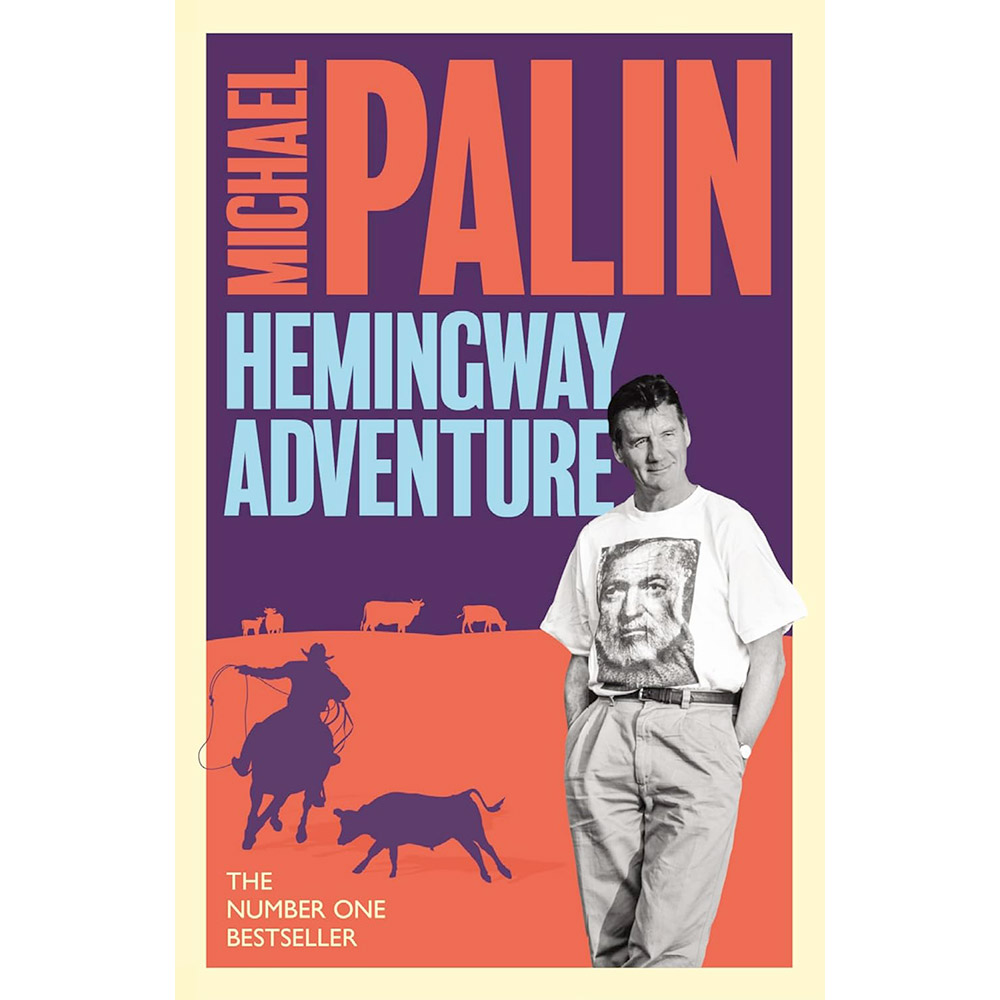
After failing to ‘get’ an award-winning memoir that had been recommended to me (too highbrow and about a wealthy family I didn’t care much about), I was delighted to then plunge into Great Uncle Harry: A Tale of War and Empire (2024) by Michael Palin, a writer who takes a family story and turns it into a search for answers in this compelling biography, travelogue and history book. Palin is such an empathetic and kind sort of a chap and his writing reflects his humanity.

I’m now reading two novels: A Gentleman in Moscow (2016) by Amor Towles (my day book) and the beautiful There Are Rivers In The Sky by Elif Shafak (2024), which I turn to at night because I have a back-lit Kindle so I don’t disturb Mr Grigg when he’s trying to sleep.

So, you can see I haven’t been completely idle in this ennui-inducing heatwave, which is turning us all into gibbering wrecks.

More from me later in the week, I think. In the meantime, if you have any narrative nonfiction recommendations, I’m all ears.

That’s about it.

Love, Maddie x

May book reviews

I’m ploughing my way through another long book, which I’m enjoying but haven’t finished yet.

It’s The Calamity Club by Kathryn Stockett, who wrote The Help. It turns out her latest novel, which has just been published, is longer than I first thought.

I’m also in the final copy edit stage of my own novel, which is being published in the autumn. Can’t say too much about it yet but I will reveal all in due course.

At the same time, I’m doing some in-depth research for a narrative non-fiction story where the ancestor I share with Ernest Hemingway will take centre stage. This is a project involving a half-circumnavigation of the world so will take a few years.

I’ve read three books this month but only one of them is worth telling you about. The other two were thrillers but not very thrilling.

So here goes. And it is a good ‘un.

Whistler by Ann Patchett *****

Contemporary fiction (304 pages). Publication date expected 2 June 2026

A chance meeting in a New York art gallery leads the fifty-something protagonist into a myriad of memories in this quietly reflective novel about family, relationships and love.

English teacher Daphne and her husband realise the elderly man who appears to be stalking them is, in fact, her ex-stepfather, book editor Eddie Triplett, who she hasn’t seen since she was nine. The encounter sends Daphne down unexpected paths, sifting through a painful period in her childhood and a dramatic incident she’s never really talked about with anyone else since.

Her conversations and interactions with Eddie – a lovely, kind man – enable Daphne to think about her past and make sense of everything that happened all those years ago and the complex layers – and people in her life – that underpin it.

It’s an astonishing novel and Patchett is an astonishing writer, who takes something so relatively simple and transforms it into a deep and meaningful story about what it is to be loved and respected. I coldn’t put it down.

Thank you to NetGalley and the publishers for an advance review copy of Whistler.

March book reviews

Two standout books this month, a pretty good one and two stinkers.

I won’t be reviewing that last pair here – they have a connection in that they are just far too long. I don’t mind 600 pages when the story and characters are compelling but get bored when the writer takes ages to get to the point while all along the way trying to impress the reader with style over content.

I admit to having the attention span of a goldfish. The sweet spot for me is around the 300-page mark, but I’m not averse to an immersive, long novel, such as The Goldfinch by Donna Tartt (771 pages), Demon Copperhead by Barbara Kingsolver (560) and The Dovekeepers by Alice Hoffman (504).

How about you?

This month, as well as putting page length under each title, I’m taking a leaf out of the blog, Is This Mutton, by one of my oldest friends, and classifying the book according to genre.

Thank you to NetGalley and the publishers for advance review copies of these novels.

I’m hoping for good things next month, with Elizabeth Strout, Colm Tobin and Ann Patchett on my to-be-read pile.

Love Lane by Patrick Gale ****

(Literary, historical fiction, 284 pages. Expected publication 26 March 2026)

After reading A Place Called Winter several years ago, I wondered what might have happened to the central character, Harry Cane. He was the young man shunned by his family for his homosexuality and exiled to the Canadian prairies from Edwardian England to make a new life for himself.

Love Lane revisits Harry as an older man, who, cruelly, has to head back home after a lifetime in Canada and now, in effect, exiled to England.

You don’t need to have read the first book to enjoy this sequel but I think it probably helps.

Harry is now older and wiser and, back in England, meets his daughter, her husband and grandchildren.

Through their stories, we get to know more about life before and after the Second World War and the social hardships faced by the characters. Theirs are ordinary lives, but there is no such thing as ‘ordinary’, everyone has a story to tell, secrets to keep or confide in others.

Patrick Gale writes beautifully and Love Lane does not disappoint. This is a gentle story of heartbreak, horror, love and the bonds that bind families together.

Natural Disaster by Lisa Owens ***

(Contemporary fiction, adult, literary -208 pages. Publication date: 25 June 2026)

The novel centres around one day in the life of a young mother of two. But it’s not just any day – it’s the last one before she goes back to her job after maternity leave.

Our heroine decides to make it a special day for the children – precocious Felix, aged four, and his baby brother, Rudy. However, all is not sweetness and light and the day deteriorates almost as soon as it starts, especially as she finds a female ‘item’ in her husband’s bag which is not hers.

She battles through the day alone, because he is working away, and everything seems to go wrong. She wants it to be a lovely day for both of her children but reality strikes, over and over again.

Some very funny scenes in this novel, especially the struggles in a corner shop with a double buggy and storytime in the local library.

The book will appeal to all parents – especially to mothers of children who were born close together but are now perhaps a bit older and don’t require the constant supervision and stimulation needed for younger ones.

I think if you have children of this age, the frustration and difficulties could be too raw and just hit home a little too hard.

Well written, funny, with a likeable central character who bears the guilt of working mothers everywhere and trying to do the right thing for her children.

A Private Man by Stephanie Sy-Quia ****

(Literary, historical fiction – 288 pages. Publication date 14 April 2026)

This is an extraordinary novel. I didn’t expect to enjoy it but I was completely hooked by the characters’s journey and the quality of the writing.

Based on the true story of the author’s grandparents, the novel is about David, a handsome Catholic priest, and Margaret, a progressive theology teacher, who find themselves falling in love.

It’s a slow-burning, intense novel but beautifully written, particularly the later parts where they ‘find’ each other and the sections where Margaret is remembering, through the haze of old age and dementia, her past life.

The two main characters are very well drawn and we empathise with them in their struggle against forbidden love. There were stories from David’s public school background which were truly heartbreaking.

This was a tender, sensitve and terrific story. I would have given it five stars but felt perhaps the in-depth research was a little intrusive and felt slightly forced during their many conversations.

February book reviews

I’ve not done very well with books this month. This is a shame because the weather outside is frightful and there’s nothing better than curling up with a good book when the rain is lashing against the windows.

There were two novels I abandoned after a couple of chapters and then a three-star which was all right, but not that enjoyable.

However, there is one stand-out book for me and I’m still reading it. It’s A Private Man by Stephanie Sy-Quia, due to be published in April. I didn’t expect it to be my thing at all, but it’s captivating. I’ll reveal more in next month’s reviews.

Being a reviewer for NetGalley is a real privilege. Especially when I go into a book shop and see all these titles I’ve already read, such as The Wardrobe Department *** by Elaine Garvey, Three Days in June **** by Anne Tyler, The Boy From The Sea **** by Garrett Carr and The Book of Doors **** by Gareth Brown.

One of my next reads will be the new novel by Elizabeth Strout, the author of Olive Kitteridge. But I have a few more to get through first, including my first purchase in a long time, Rogue Male by Geoffrey Household, published in 1939 and set around these parts, yet I’ve never read it.

In 1976, it was made into a television film starring Peter O’Toole.

And there has been talk that British actor Benedict Cumberbatch has his eye on the lead role in another film adaptation, although it’s all been a bit quiet of late.

Anyway, here’s my one and only book review for February.

Where The Truth Lies by Katherine Greene ***

Publication date: 24 March 2026

A murder rocks a small community in southern USA and threatents to blow apart the impending marraige of Rhett and Lucinda and their future happiness together. We think we know who did it and what and why it happened, but do we?

There are twists and turns galore in this thriller/whodunnit/domestic drama and I did not see the end coming. The story is told from various viewpoints, including the voice of the murdered woman, a device I always find difficult to take on board because how can she tell a story in the first person, past tense, when she’s dead?

I also didn’t much like any of the characters through which the tale unfolded.

Anyway, that aside, this was a tense and generally fast-paced novel which would be an ideal basis for a Netflix adaptation in the Harlan Coben mould.