Watching England play France in France…

Football is not my bag but living with a soccer fanatic leads me into occasional forays of watching it on the telly, and occasionally in real life.

I once went to Anfield and was so overcome with emotion at being there when You’ll Never Walk Alone echoed throughout the Liverpool ground that Mr Grigg mistook my reaction as someone who actually gives a damn about the game.

I felt a surge of Westcountry pride when I went to see Bristol City but not for the football but because the dulcet tones of Adge Cutler and the Wurzels singing Drink Up Thee Cider were reverberating around Ashton Gate.

It’s the music and shared experience and the grand-ness of it all I like, but I’m not at all interested in the game, learning about the offside rule or the questionable parentage of the opposition’s star player.

However, I did watch the England games in this year’s World Cup – when they were on early enough, given the time difference between Europe and the stadiums in which the matches were played in the Americas.

And I cared enough to feel happy when our team won and devastated when they lost on Wednesday against those dirty blighters Argentina.

I really had thought England had a chance of going all the way. And whatever your feelings about the ‘beautiful game’ it would have given the nation a real uplift if they had, which is always a good thing for the collective mood.

I’ve been particularly impressed with the England players’ love and respect for one other, the fans and even – sometimes – their opponents.

They’ve given it their all. They’ve seemed dignified and kind young men who, through their teamwork and attitude, have been terrific role models at a time when toxic masculinity and division is a national disease.

Seeing the team singing Wonderwall with the fans was spectacular, even if (like me) you’re not a fan of Oasis. You’d have to have a heart of stone not to be moved by this:

Last night was the match between England and France for third place.

We were at a traditional fete in a French village, sitting at long tables laid out under the trees, with coloured lights and bunting strung across the square.

There was a big screen set up in the corner and lots of French men – including the former mayor – wearing T-shirts declaring their unswerving love for the national side.

Come eleven o’clock, eyes were glued to the match for about five minutes until the live feed dropped out and the screen went blank for the rest of the evening, despite valiant efforts to get it going again.

So Mr Grigg ended up watching it at the table on my phone, and bravely (or possibly foolishly) leaping in the air every time England scored. As the final result was 6-4 in England’s favour, he was jumping up and down quite a bit.

There were long faces around the other tables and I did fear a little for his safety, but the French seemed to brush it off or pretend not to notice.

We got home with ten minutes to spare, put on the telly and saw the last two goals in our favour and England celebrating their best World Cup finish since 1966.

It was a joy to see the happiness on their faces – and the sportsmanlike French faces too – now the gruelling tournament was finally over for both sides.

Whether we’ll stay up for tonight’s World Cup Final betwen Spain and Argentina is another matter. Even Mr Grigg is not very bothered, although he’d much prefer the former to win.

Anyway, my head will still be ringing (I hope) from a sublime choral performance earlier in the evening of Allegri’s Miserere in an ancient abbey.

Now that will be emotion inducing.

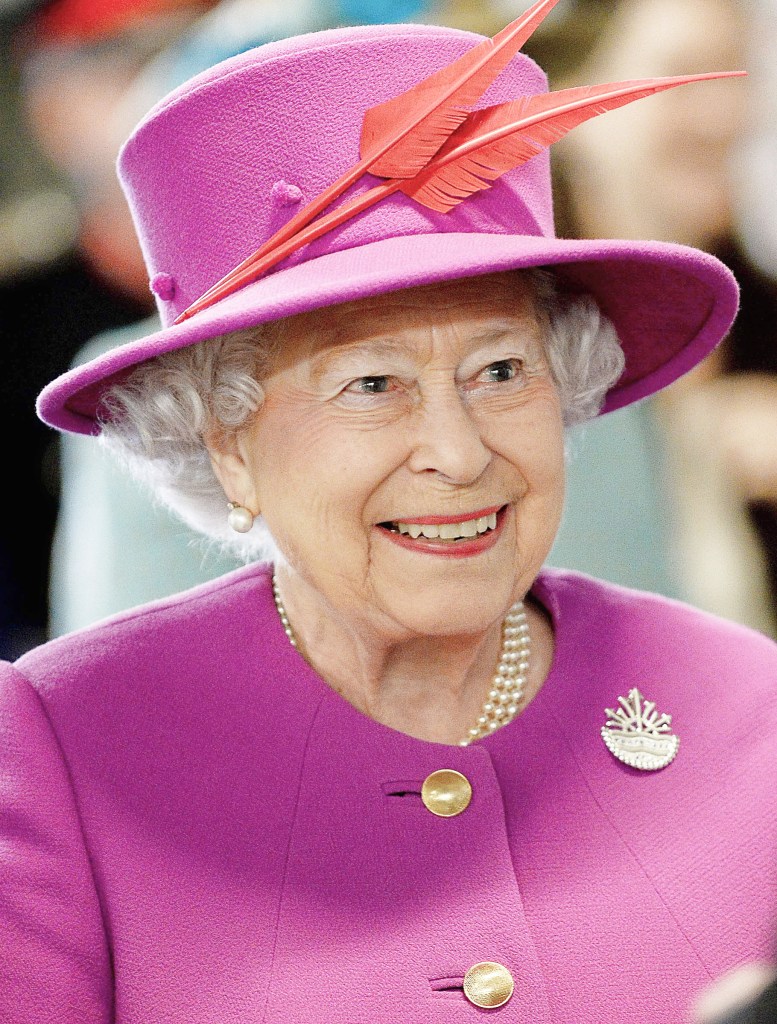
In memory of Queen Elizabeth II

Her Majesty the Queen during a visit to HMS Ocean in Devonport in 2015.
Picture: Wikimedia Commons

It’s the late Queen Elizabeth II’s birthday today. She would have been one hundred years old.

There is a series of events in the UK marking this milestone, including an exhibition of hundreds of garments and related items belonging to Her Majesty.

I don’t think many of us think of the late Queen as a style icon, not in the way, say, of Princess Diana, whose leggy frame and passion for fashion sparked real trends.

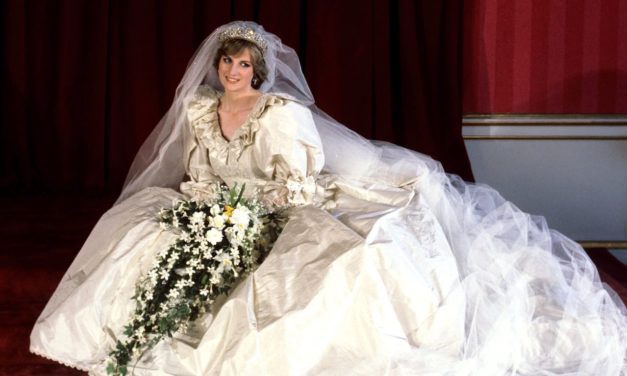
Who can forget Di’s Emanuel ‘meringue’ wedding dress and its extra long train, which could indeed have had its own long train (like The Flying Scotsman) to transport it end-to-end?

Or the dazzling, figure-huggingly flattering and chic dresses she wore much later on?

When I picture the late Queen, I think of the block colour coats and matching hats from the 1960s and 70s, which on special occasions were de rigeur for women of my mother and mother-in-law’s generation. This is not surprising because they were both the same age as the Queen.

I’m guilty as the rest at underestimating the influence and effect the Queen’s choice of clothing had on generations of women.

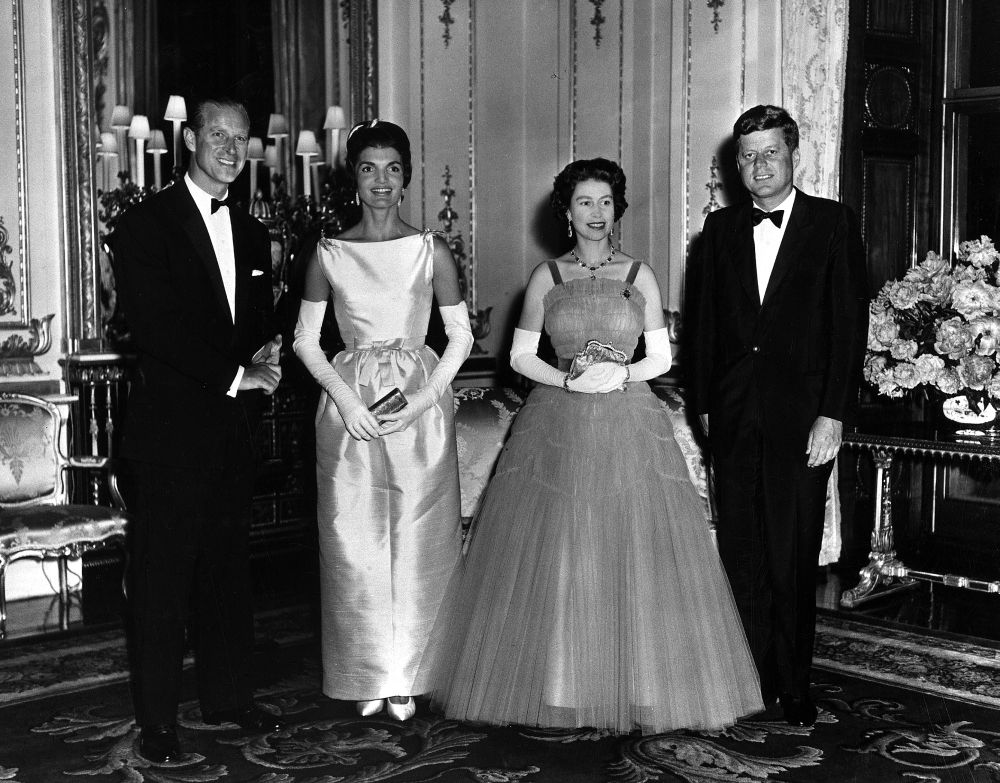
5 June 1961 Buckingham Palace: Queen Elizabeth and Prince Philip host Queen’s Dinner for President and Mrs. Kennedy. U. S. Department of State photograph in the John F. Kennedy Presidential Library and Museum, Boston.

HRH worked closely with favourite designers such as Norman Hartnell and Hardy Amies. There’s a fascinating article on The Independent’s website about our longest reigning monarch’s relationship with fashion and how the look she created was not at all accidental.

You can read it here. Queen Elizabeth II: Her Life in Style is at the King’s Gallery. Buckingham Palace, until 18 October.

The Queen died in September 2022 aged 96. She was the country’s longest-reigning monarch, chalking up an incredible 70 years.

As well as the exhibition, there are other things taking place to commemorate her life.

According to the BBC, today The King and Queen Camilla will visit the British Museum to view plans for the Queen Elizabeth II national memorial in St James Park in London designed by architect Sir Norman Foster.

Later in the day, they will host a reception at Buckingham Palace where guests will be presented with birthday cards by the King.

The Princess Royal will honour her mother by officially opening the Queen Elizabeth II Garden in Regent’s Park, London.

Buckingham Palace has also announced that award-winning historian Dr Anna Keay will write the the late monarch’s official authorised biography.

It’s fitting that these things are happening in honour of a woman who – whatever your views on the monarchy – had a great sense of duty and was devoted to her role.

A lasting legacy – and to my mind, the best way of celebrating this remarkable woman – is the creation of a new charity, The Queen Elizabeth Trust, which will focus on restoring shared spaces in communities.

The charity aims to develop and transform underused buildings and green spaces, as well as ensure that communities have the skills and training needed to organise local events, says the BBC.

Three cheers for that.

Here’s a very informative video produced to celebrate the Queen’s Platinum Jubilee. It draws on a rich selection of records held at The National Archives, including photographs, letters, and speeches, this film looks back at Elizabeth II’s extraordinary life and reign.