The first time ever I saw your face

Did you see that news story about scientists claiming to have discovered the ‘real’ face of Anne Boleyn?

Now that would be some feat, because her real face would have been on the head cut off by a French swordsman in 1536 at the behest of the corrupt court sycophants surrounding Henry VIII.

She was executed for adultery, incest and treason – charges which paved the way for Henry to dump rather than divorce Anne and make room for wife number three, Jane Seymour, and the potential for a male heir.

It was typical of this tyrant king.

No, this ‘real’ face is a previously unknown sketch by Hans Holbein the Younger in the Royal Collection.
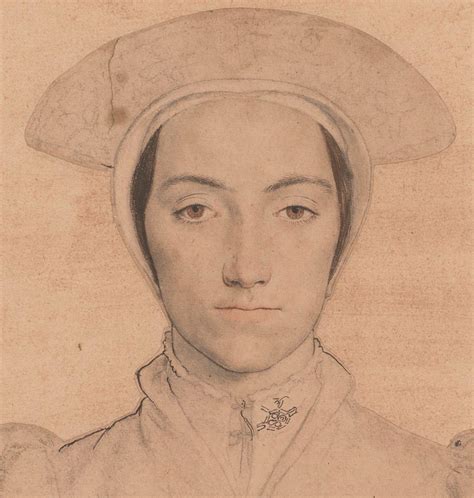
The finding is the work of a computer science team from the University of Bradford, which used modern facial recognition techiniques to come up with the controversial theory.

They believe another sketch below in The Royal Collection was mislabelled and is more likely to be of Anne’s mother, Elizabeth (nee Howard).
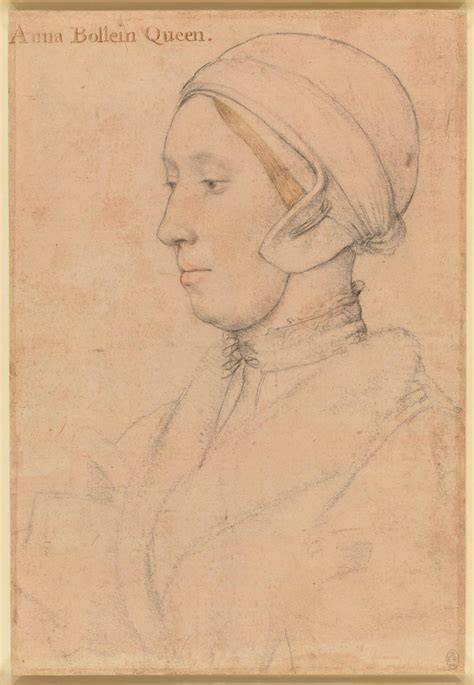
It doesn’t really fit with the description we have of Anne with a long and slender neck and dark hair.

There is a fascinating blog about the various portraits of Anne here, which was written in 2020 and is still relevant now, even with this new ‘discovery’ which may or may not be what it seems.

Up until now, the painting below, from The National Portrait Gallery, is the one that has informed the modern world what the doomed queen might have looked like. It’s not contemporary, it’s Elizabethan, but it’s the one we all know.
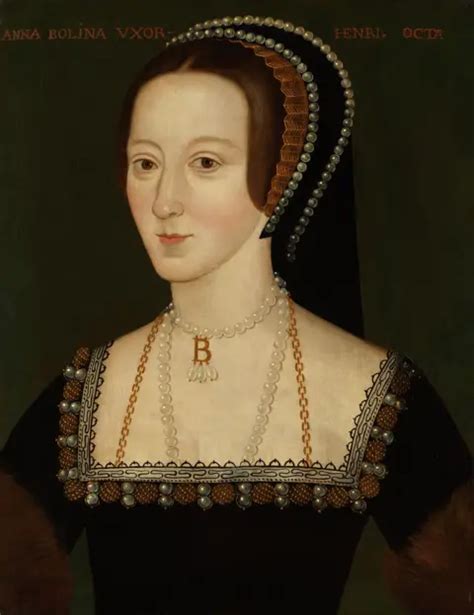
So are we any closer to the truth? Beauty is in the eye of the beholder – as we know from the famous Holbein painting of a sweet Anne of Cleves. We are told Henry was rather taken with the portrait but, apparently, when he saw the lady in real life, his reaction was that she was the spitting image of a “Flanders Mare”.
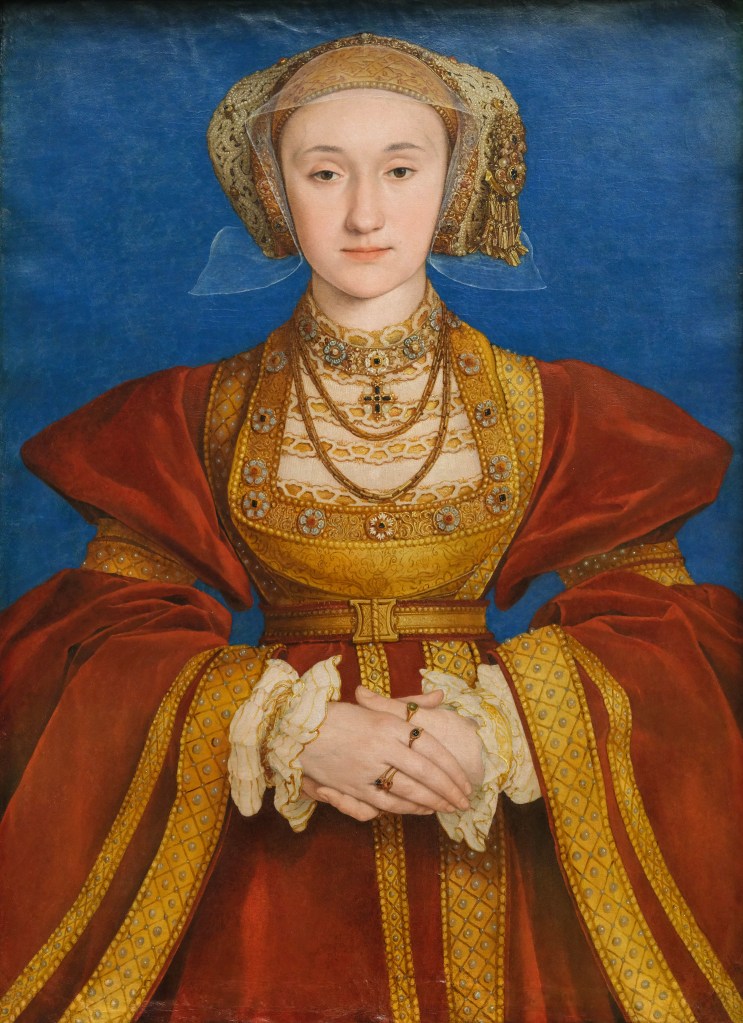
And looking at this image now again, could the ‘discovered’ portrait be, in fact, a sketch of Anne of Cleves?

What do you think?
International Women’s Day

Reently, a close friend asked me which women inspired me when I was growing up.

I had to think hard because there are lots of women (and men) who are inspirational figures.

I suppose my late mother, who died last summer at the grand old age of ninety-nine, is probably my leading light.

Unassuming, a quiet thirst for knowledge and a calm, kind wisdom were her standout features, along with a ‘just-get-on-and-do-it’ approach to life.

A strong sense of community, a love of the rural landscape and a curiosity and desire to keep up with new technology if it meant improved communication with her family of children, grandchildren, great grandchildren and far-flung relatives in Canada, Australia and the USA.

Another inspiration for me was my mum’s older sister, my late Auntie Marj. She was my favourite of the aunts – flamboyant, community-minded, kind and an unapologetic love for fashion and frippery. She once gave me an 1950s Hardy Amies dogtooth check suit, with a velvet-collared jacket and a nipped-in waist.

I wore it to work in the 1980s and 90s, and, later, it took pride of place in my wardrobe until the moths got hold of it.

But I still have the original 1920s flapper dress Auntie Marj was given by two elderly neighbours I called the Dilly Sisters after the duo that were on The Banana Splits and sang The Mexican Hat Dance and Ta-ra-ra Boom-de-ay.

From the Dilly Sisters to women from history (sorry, it’s how my mind works).

One woman who was an unlikely inspiration for me was Anne Boleyn, the second wife of Henry VIII, who was beheaded because the tyrant king wanted a son and heir, and someone else (Jane Seymour) had already taken his fancy.

I always felt history treated her very badly and that one day a more sympathetic portrait of her might emerge.

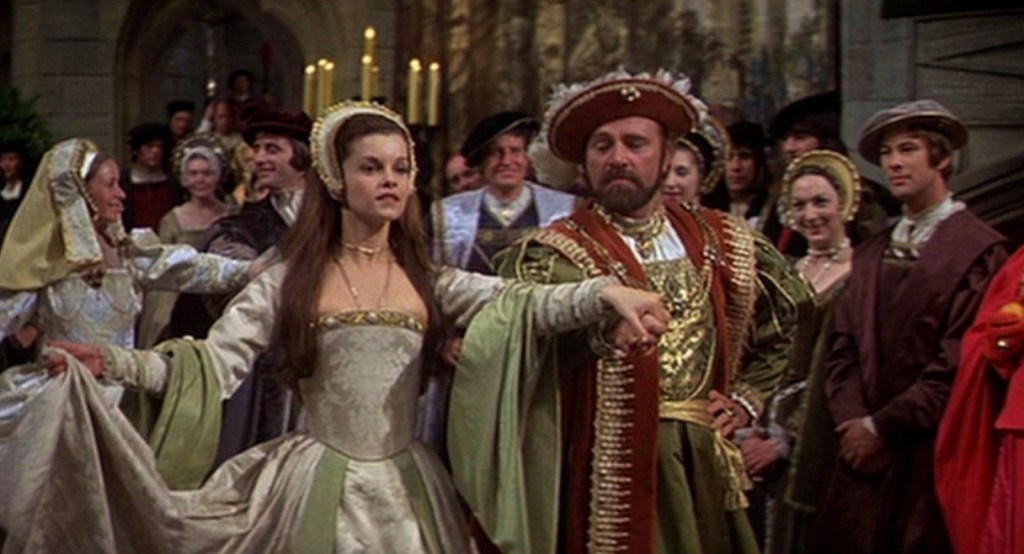
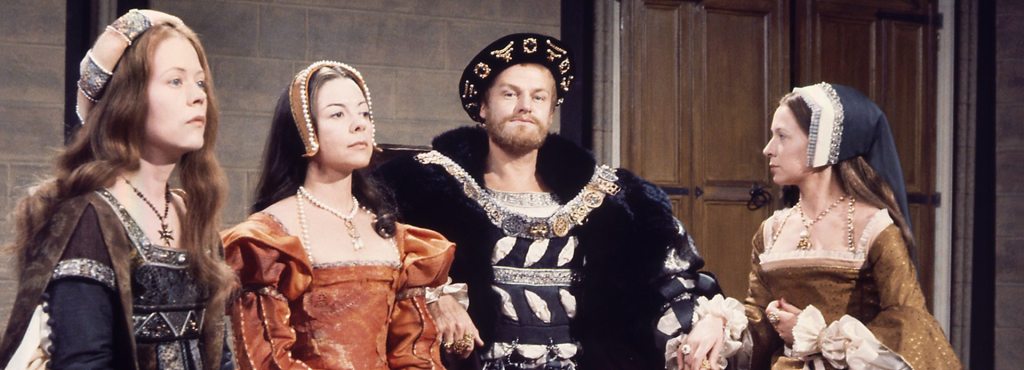
My interest stemmed from her portrayal by Dorothy Tutin, second left below) in The Six Wives of Henry VIII on BBC in early 1970.

I was eight. It made a great impression on me.

A few years later, probably on television, I saw the 1969 film, Anne of the Thousand Days, in which the beautiful Canadian actress Geneviève Bujold took the lead role opposite a handsome Richard Burton as Henry VIII.

It was a strange obsession, taking the side of this unpopular queen, but I’ve always been a sucker for an underdog. And even though Anne had a terrible death, she had the last laugh in the afterlife when her daughter Elizabeth went on to become the longest (and last) reigning monarch of the House of Tudor.

The idea of a woman being as powerful, if not more powerful, than her late ‘great’ father is extremely satisfying.

In all seriousness, International Women’s Day (March 8) is a global day celebrating the social, economic, cultural, and political achievements of women. The day also marks a call to action for accelerating gender equality.

It began in 1911 yet there is still such a great need to shout out against bias, stereotypes and discrimination. Despite great worldwide strides, inequality exists everywhere, in so many walks of life.

Incidentally, International Men’s Day is on 14 November.