Fiction, snobbery and a book launch

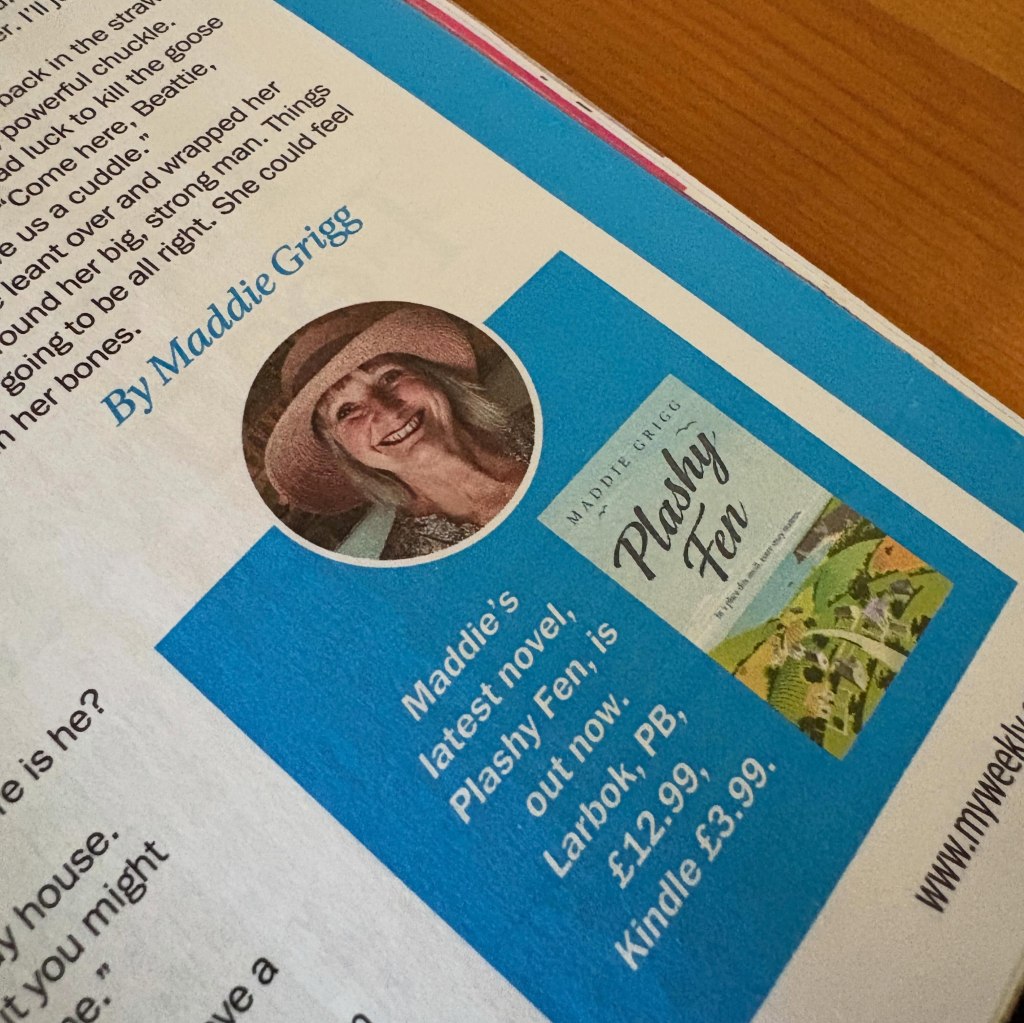
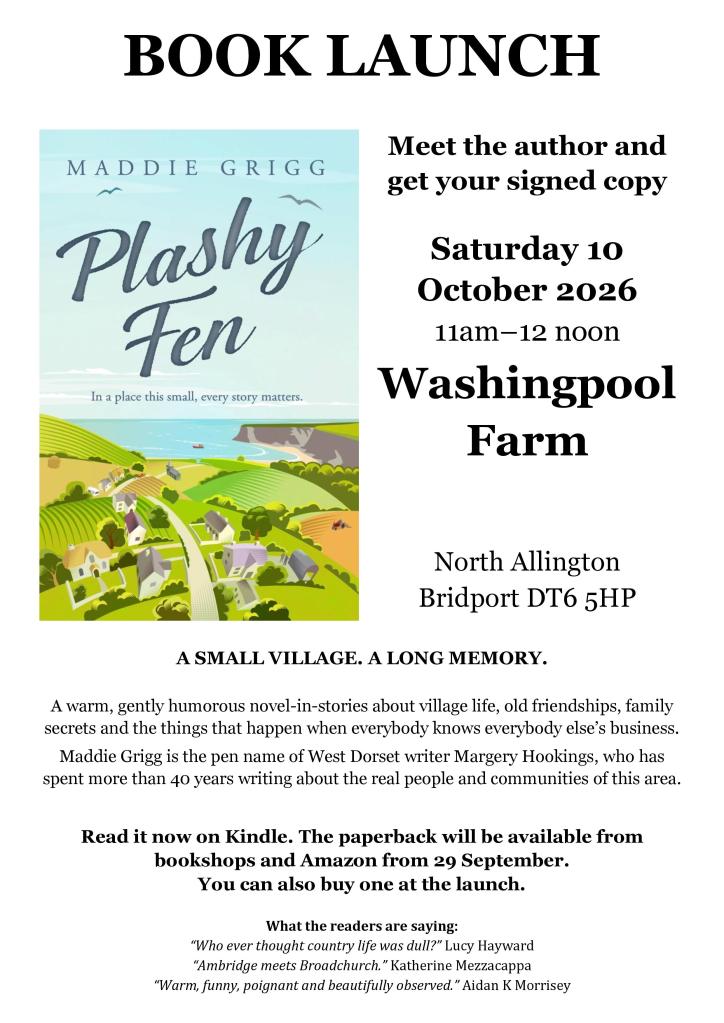
I’m busy practising my signature for the launch of my new novel, Plashy Fen, which happens this coming Saturday at Washingpool Farm Shop, on the north western outskirts of Bridport.

As I write fiction under my pen name, my signature can be anything I want it to be – but I do need to make sure it fits and looks right on the page.

I had a short story published in My Weekly magazine last week, which features one of the characters from Plashy Fen who, in the novel, is an elderly widow by the name of Beattie Dominey, who talks incessantly and unashamedly to her late husband.

In the My Weekly story, entitled A Feast for Michaelmas, Beattie is a young newlywed in 1959 who fears her goose may well and truly be cooked if she doesn’t stand up for herself very soon.
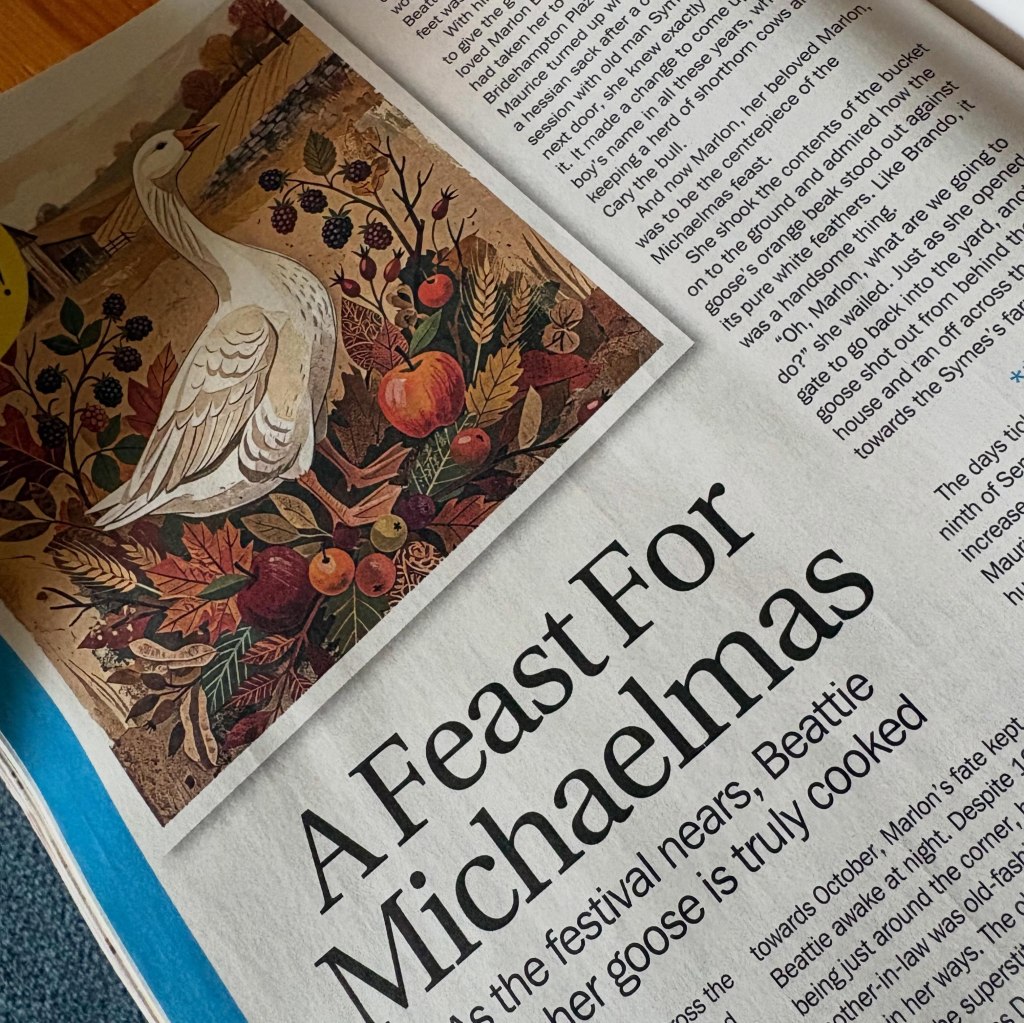
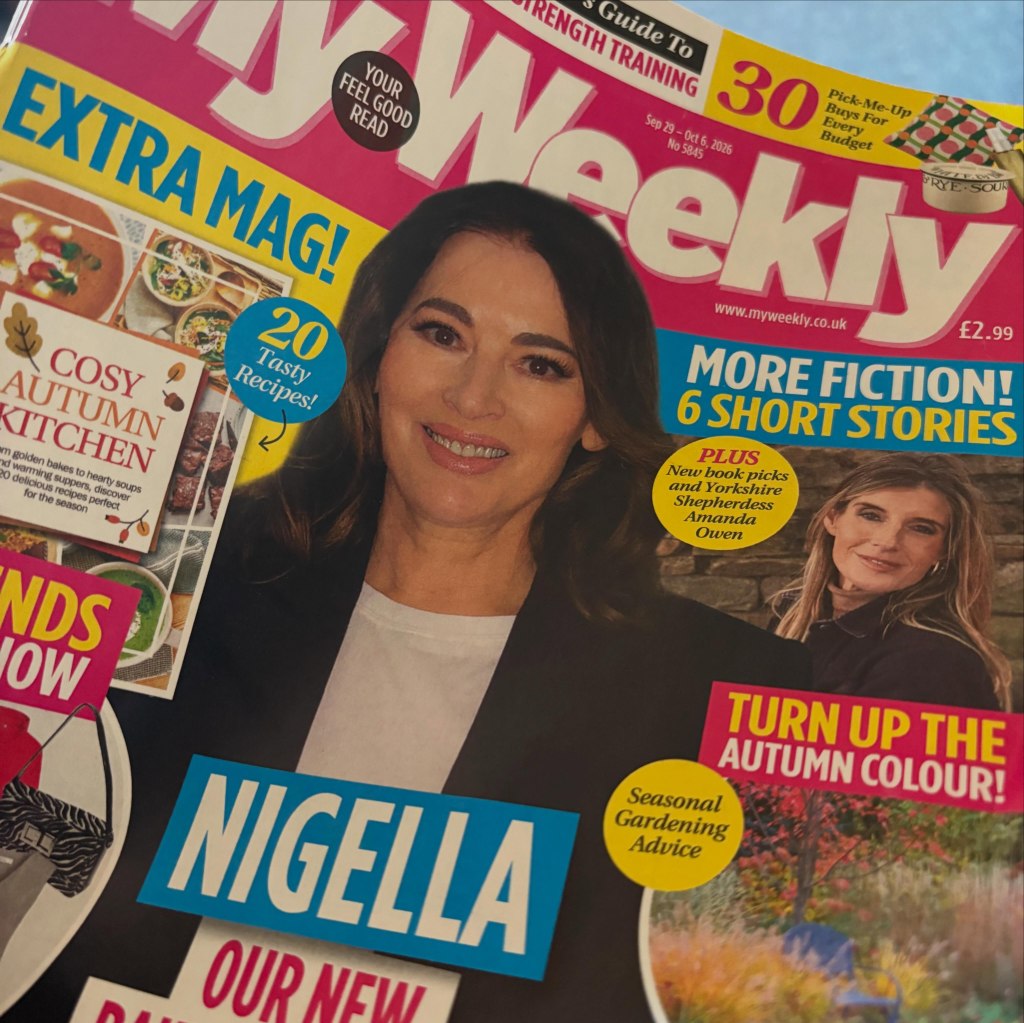
It’s the first short story I’ve ever submitted to a women’s magazine – one, because I have an innate fear of rejection and, two, because I’ve been such a snob over the years by dismissing short stories in popular magazines as being pulpable rather than palpable.

It’s taken me a long time to untie my prejudices and cast off the sneering voice of an old acquaintance who poured scorn on me landing a weekly column in a national magazine eleven years ago because it was The People’s Friend, which clearly didn’t measure up to her literary tastes.

I had been buoyed up by being emailed out of the blue by the editor who had seen my old blog online and told me: ‘I think you might just be the writer we’ve been looking for! I like your ability to write with humour about the minutiae of daily life, but with a touch of emotional depth, too.’

To be approached like this by the world’s longest-running weekly magazine for women is something which still makes me smile. Especially when D C Thomson also publishes the Beano.

Their publications reach real people. Lots of them.

There is so much snobbery around fiction. And I can’t stand pretentiousness, superiority and massive egos.

Something I saw recently on Instagram by writer Matt Haig stopped me in my tracks.
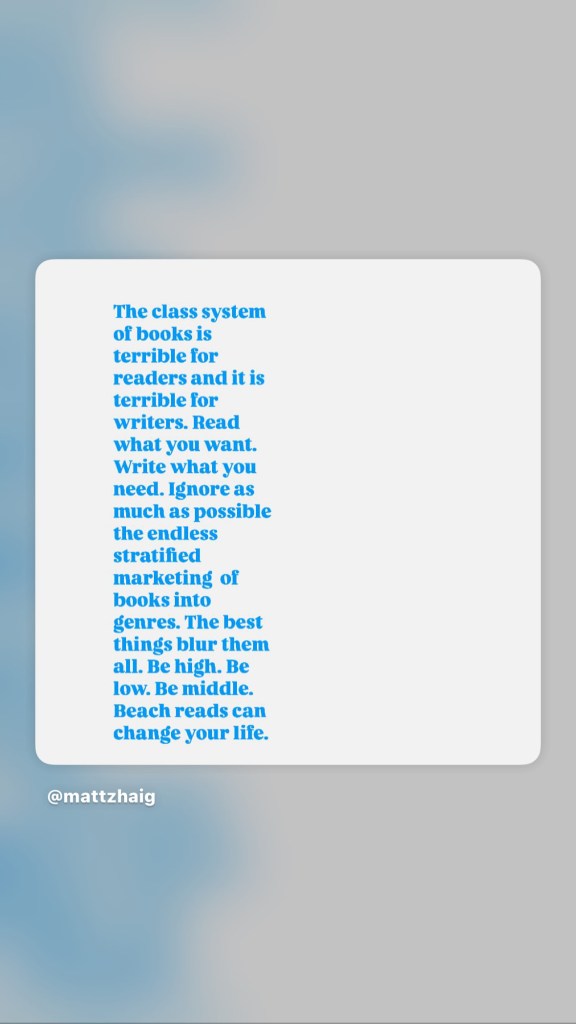
Yes. This.

It’s so true – there are books and genres for everyone.

I don’t know about you but I like all sorts of fiction and writers. I prefer coming-of-age stories set in small towns, fast-paced thrillers and exquisitely written prose by quiet writers like Elizabeth Strout, Anne Tyler and Ann Patchett in which universal truths and common humanity are found in the everyday and mundane.

And I like whip-smart, contemporary novels that make me laugh, science fiction by the likes of Ray Bradbury and Stephen King and classics such as The Return of the Native by Thomas Hardy and, my all-time favourite, The Great Gatsby by F Scott Fitzgerald.

We’re all different but the main thing that connects us readers – and writers – is the very act of reading itself.

The luxury of immersing ourselves in a good book and being able to escape from all the dross life can sometimes serve up is just priceless.

So. here’s to happy reading and writing for all, whatever your preferences may be.

There is no such thing as good or bad taste – it’s just someone else’s.

And if you’re around Bridport way on Saturday, please pop in and say hello. There could be cake.
Why Plashy Fen?

The title of my new novel, Plashy Fen, came to me in the middle of the night a few years ago.

I wasn’t happy with the working title I’d given it, as who the hell did I think I was, calling it Dylan’s Wake, in a nod to the author of the wonderful Under Milk Wood, which is one of my favourite books.

And anyway, early beta readers told me they thought it was going to be about the funeral party of someone called Dylan.

I’ve been writing a column for The People’s Friend for over a decade now, after the then editor emailed me out of the blue telling me she’d seen my blog, The World From My Window, and would I like to write for the magazine?

She said (and it’s etched in my mind): ‘I think you might just be the writer we’ve been looking for! I like your ability to write with humour about the minutiae of daily life, but with a touch of emotional depth, too.’

So I introduced my village to Friend readers as Lush Places, named after the fictional newspaper column by the hapless and fictional nature writer William Boot, who, through a case of mistaken identity, becomes a war correspondent for The Daily Beast.

Lush Places from Bluebell Hill

Boot is the main character in Scoop by Evelyn Waugh, which was published in 1938. It’s dated now and very politically incorrect but I loved the juxtaposition of a naïve, gentle writer in the cut-and-thrust world of horrid Fleet Street hacks out to make a name for themselves in a forgotten corner of the world.

I was redrafting my latest novel about Lush Places’s seaside sibling when the new village’s name – and book title – came to me during the early hours of the morning.

There is a line in one of Boot’s nature columns – ‘feather-footed through the plashy fen passes the questing vole’ – which has come to signify an affected style when it comes to nature writing.

I guess the the term plashy fen must have stuck with me. It’s become a bit of a personal joke and serves the purpose of making me check my prose style every now to make sure I’m not coming across as a complete jerk.

So that’s the story of how Plashy Fen got its name.

But the characters, well, they’re a different story…

Finding my bookish self

I’ve been out of the blogging loop lately, focusing on a writing project which is going to keep me busy for the next couple of years.

However, there is lots going on in the world (earthquake, heatwave, violent death and political farce) but I’m choosing not to obsess about these subjects and am trying (not very successfully) to stop doomscrolling on Facebook and Instagram, which is a complete waste of time and just feeds massive egos and conspiracy theories and lines the pockets of the megarich.

And news websites and a constant diet of updates and cliches are leaving me cold.

The reading is going well, but not in terms of me writing reviews. I’ve had some real duds in recent months, which has been incredibly disappointing.

I had high hopes for The Calamity Club (2026), by Kathryn Stockett, the author of The Help (2009), but it wasn’t for me. I gave it two stars out of five.

I didn’t fare much better with Under Story. I devoured an earlier Chloe Benjamin novel, The Immortalists (2018), but really struggled with this new book, which comes out later in the year.

The very science-based science fiction of Under Story is sweeping in its ambition. Set in the hostile, surreal world of Antarctica, it’s essentially a love story with two central protagonists who take their time to reconnect.

It’s beautifully written but moves forward at too slow a pace for me. I gave it three stars.

Having encountered a reader’s block with new novels other people seem to adore, I had a bit of a book break and then started reading narrative nonfiction, if nothing else but to help with the current writing project, to see how it’s done when done well.

The last bit of nonfiction I read was probably The Salt Path (2018), billed as memoir, nature and travel writing and definitely not fiction. I gave up after two chapters because I liked neither the style nor the whining presence of the author, who irritated me from the start. Well, we all know how that book panned out. Maybe I am more discerning than I think.

I’ve done a bit of research and have started giving nonfiction another go. Mixed results but I completely fell in love with the Bruce Chatwin’s groundbreaking travel writing classic, In Patagonia (1977).

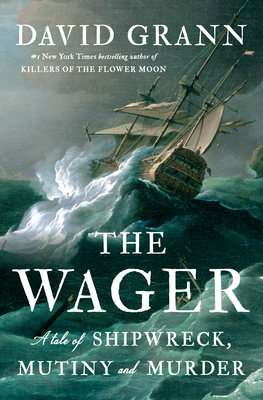
Similarly, The Wager: A Tale of Shipwreck, Mutiny and Murder (2023) by David Grann is unputdownable, telling the true story of what happened when a naval vessel hit rocks off the South American coast in 1740. Piecing together the story through solid historical research and strong primary sources, Grann has produced a knockout of a book. I was hooked by it.

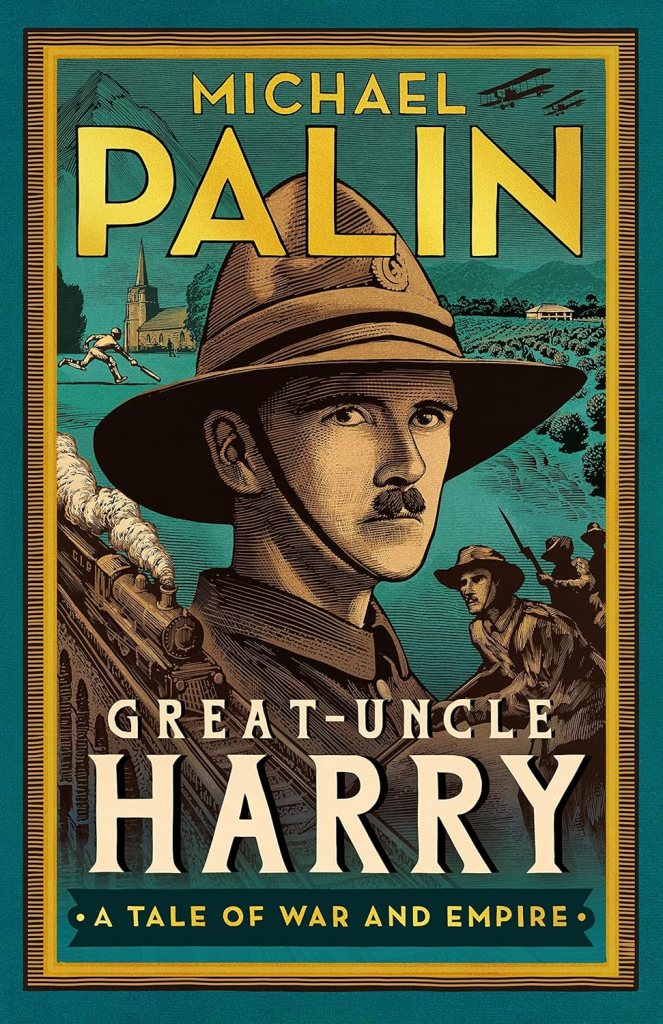
After failing to ‘get’ an award-winning memoir that had been recommended to me (too highbrow and about a wealthy family I didn’t care much about), I was delighted to then plunge into Great Uncle Harry: A Tale of War and Empire (2024) by Michael Palin, a writer who takes a family story and turns it into a search for answers in this compelling biography, travelogue and history book. Palin is such an empathetic and kind sort of a chap and his writing reflects his humanity.

I’m now reading two novels: A Gentleman in Moscow (2016) by Amor Towles (my day book) and the beautiful There Are Rivers In The Sky by Elif Shafak (2024), which I turn to at night because I have a back-lit Kindle so I don’t disturb Mr Grigg when he’s trying to sleep.

So, you can see I haven’t been completely idle in this ennui-inducing heatwave, which is turning us all into gibbering wrecks.

More from me later in the week, I think. In the meantime, if you have any narrative nonfiction recommendations, I’m all ears.

That’s about it.

Love, Maddie x

Taking a break

Just to let you know, the blog is taking a back seat for a while.

I’ve had lots of things going on and I’m currently knee-deep in work around the publication of new novel by an indie press. It’s due out in the autumn – more news to follow.

Have a lovely summer, and maybe catch up with you through posts on my Instagram and Facebook pages, although these will also be a bit sporadic over the coming months.

Love, Maddie x

May book reviews

I’m ploughing my way through another long book, which I’m enjoying but haven’t finished yet.

It’s The Calamity Club by Kathryn Stockett, who wrote The Help. It turns out her latest novel, which has just been published, is longer than I first thought.

I’m also in the final copy edit stage of my own novel, which is being published in the autumn. Can’t say too much about it yet but I will reveal all in due course.

At the same time, I’m doing some in-depth research for a narrative non-fiction story where the ancestor I share with Ernest Hemingway will take centre stage. This is a project involving a half-circumnavigation of the world so will take a few years.

I’ve read three books this month but only one of them is worth telling you about. The other two were thrillers but not very thrilling.

So here goes. And it is a good ‘un.

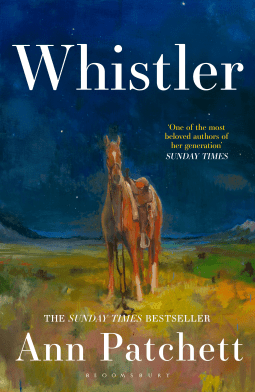
Whistler by Ann Patchett *****

Contemporary fiction (304 pages). Publication date expected 2 June 2026

A chance meeting in a New York art gallery leads the fifty-something protagonist into a myriad of memories in this quietly reflective novel about family, relationships and love.

English teacher Daphne and her husband realise the elderly man who appears to be stalking them is, in fact, her ex-stepfather, book editor Eddie Triplett, who she hasn’t seen since she was nine. The encounter sends Daphne down unexpected paths, sifting through a painful period in her childhood and a dramatic incident she’s never really talked about with anyone else since.

Her conversations and interactions with Eddie – a lovely, kind man – enable Daphne to think about her past and make sense of everything that happened all those years ago and the complex layers – and people in her life – that underpin it.

It’s an astonishing novel and Patchett is an astonishing writer, who takes something so relatively simple and transforms it into a deep and meaningful story about what it is to be loved and respected. I coldn’t put it down.

Thank you to NetGalley and the publishers for an advance review copy of Whistler.