Paperback publication day

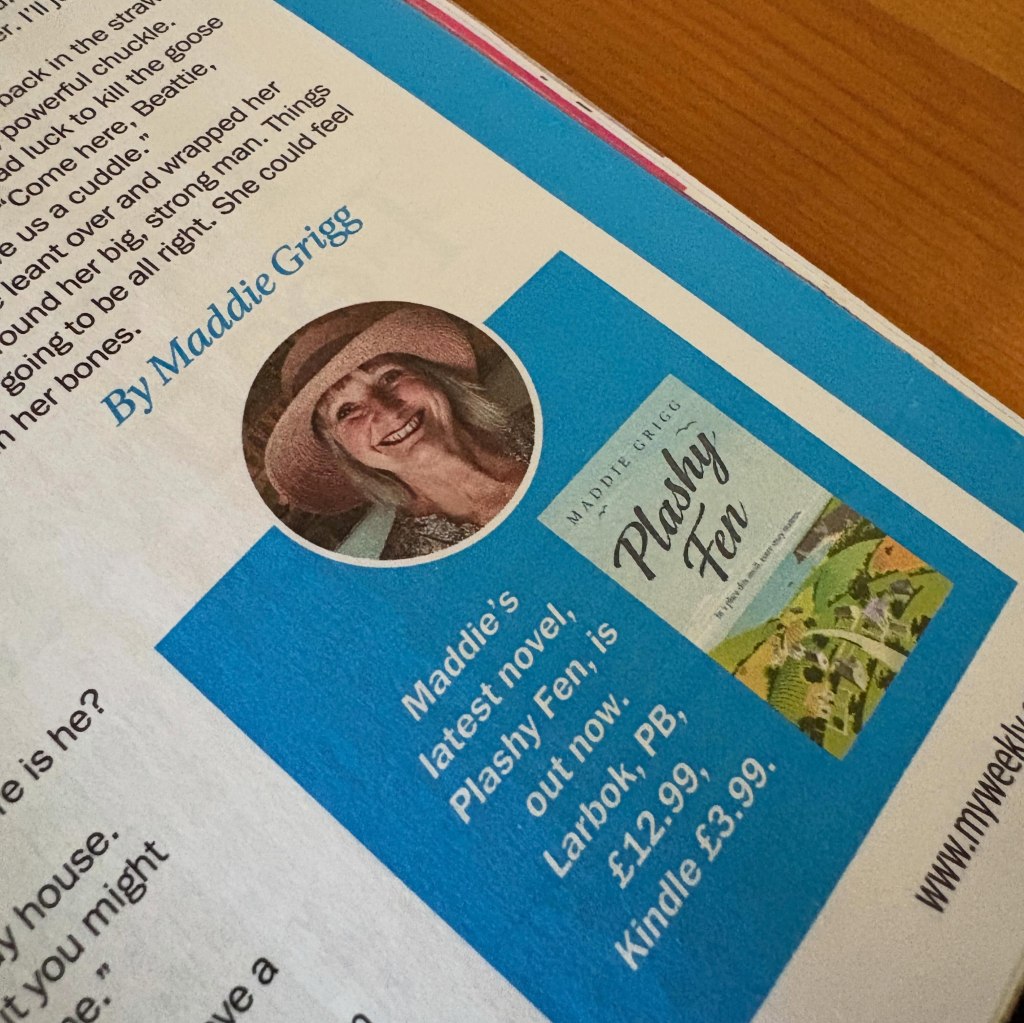
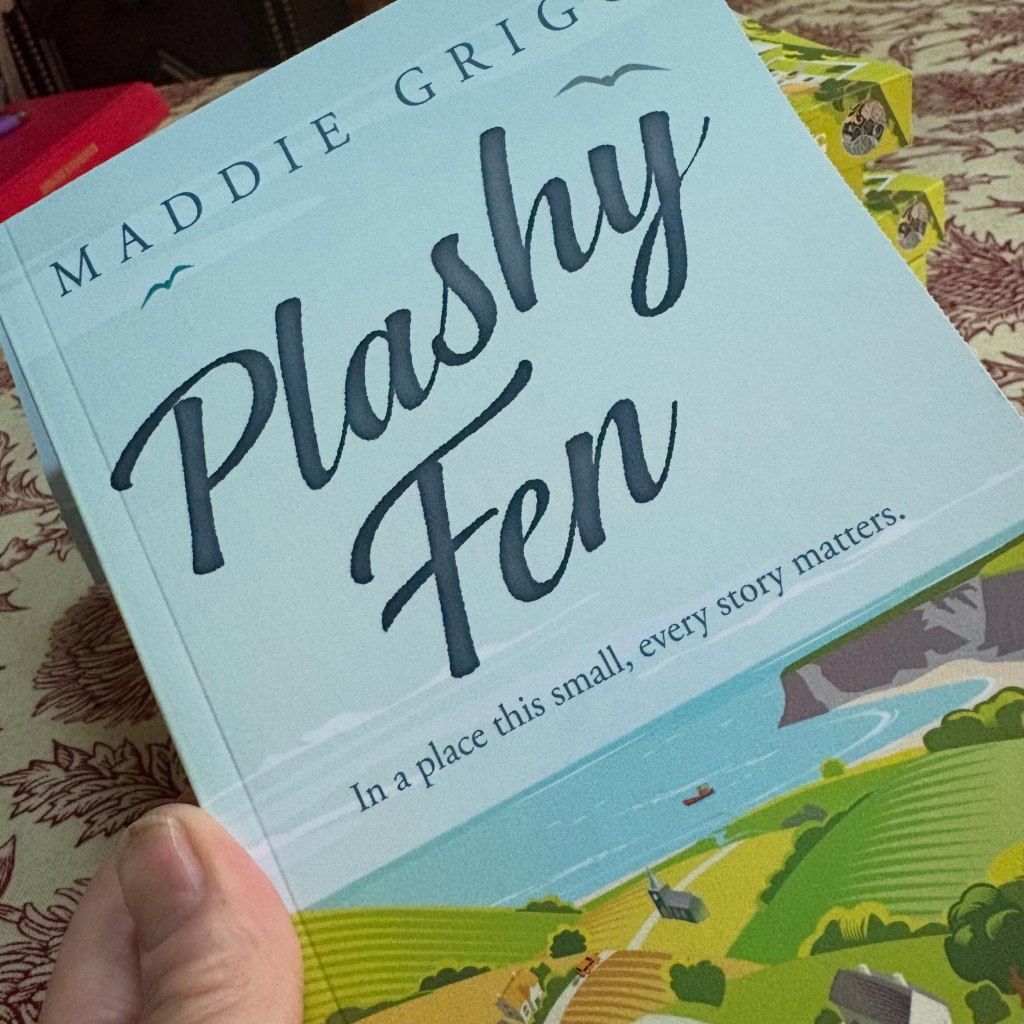
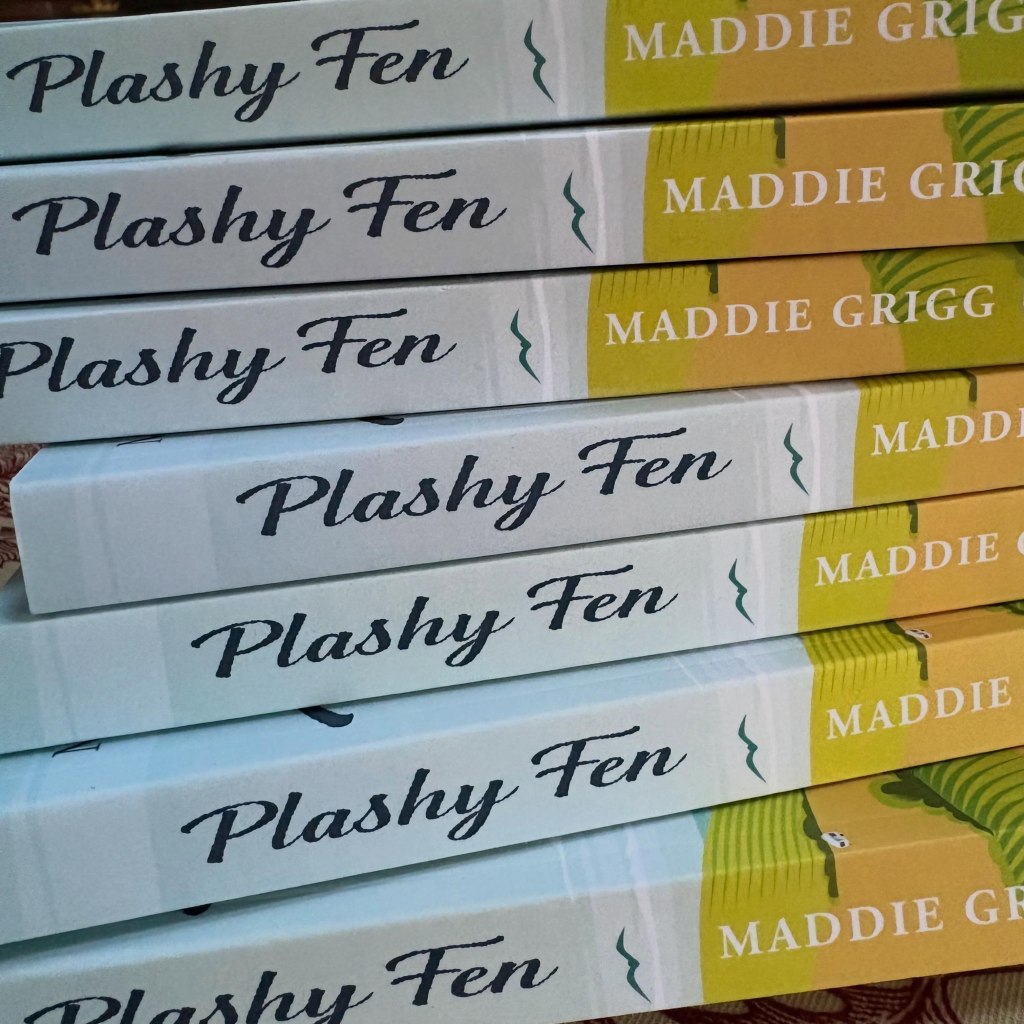
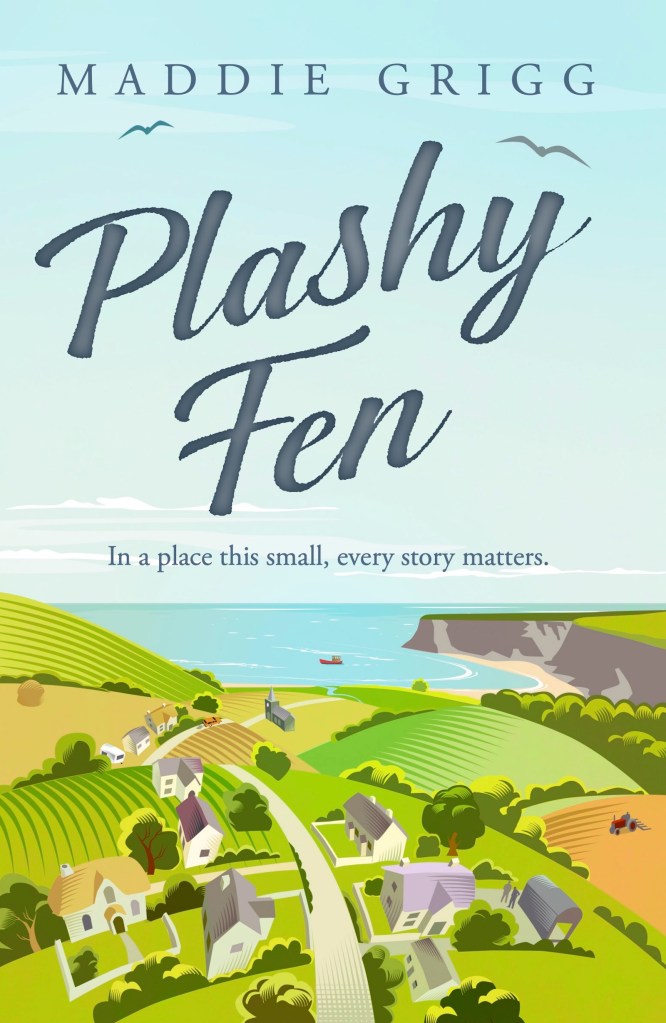
Plashy Fen is now available in paperback today.

Publication coincides with Michaelmas Day, one of the quarter days I write about in the novel:

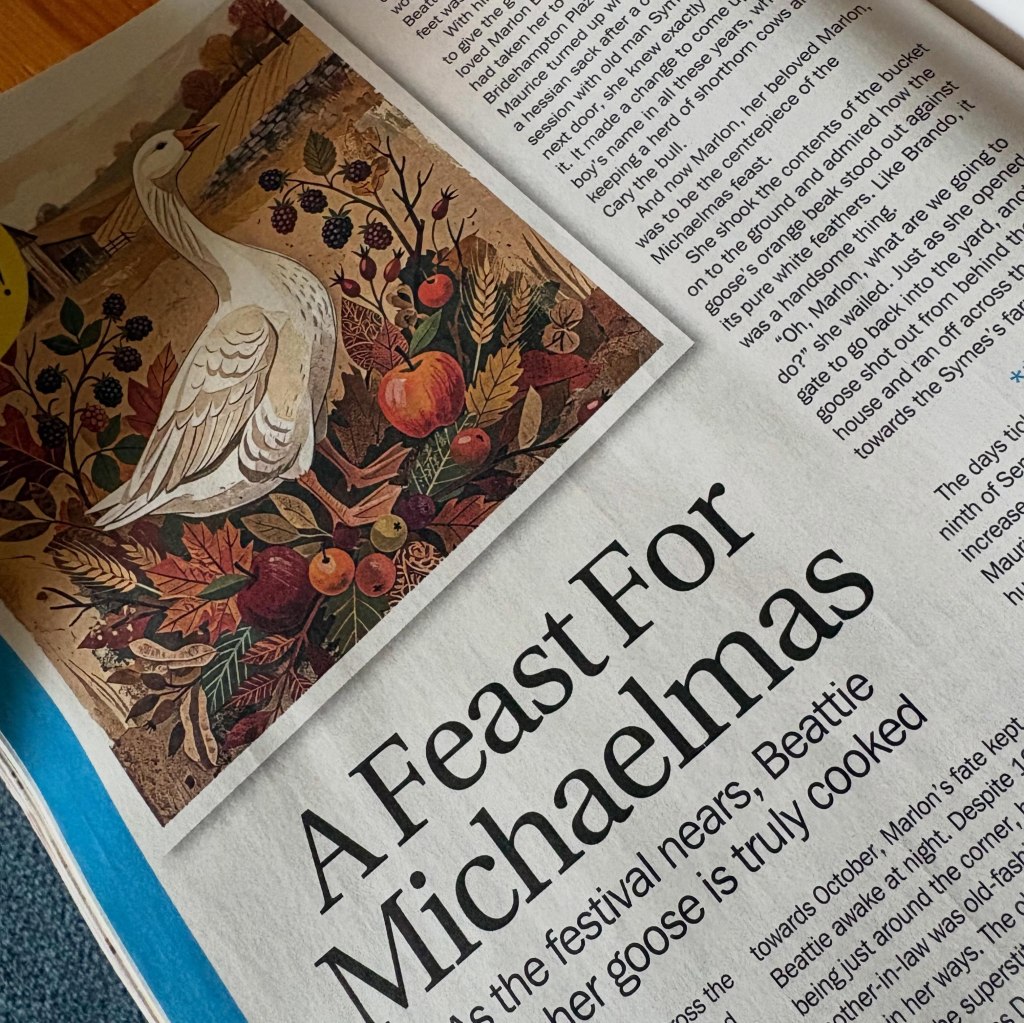
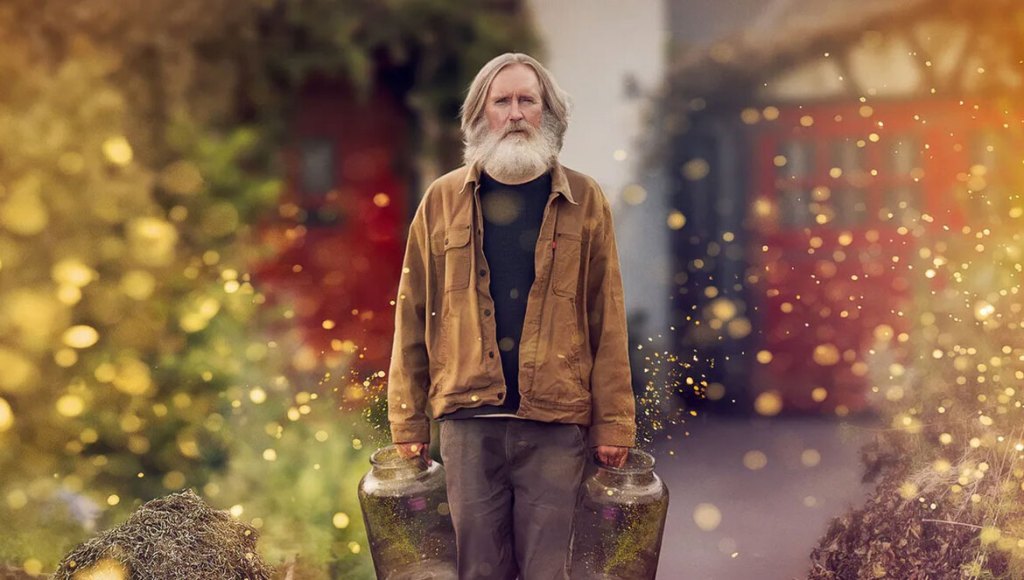
Today, Maurice’s ghost is taking in the autumn sunshine. It is 29th September, Michaelmas Day, the Feast of Michael and All Angels, a day that sits on the edge of winter, the last date for the harvest to be in.

When Maurice was alive, he and Beattie used to celebrate the day with a fattened goose to protect themselves and the girls against financial hardship.

β€œEat a goose on Michaelmas Day,  want not for money all the year.”

The ghost of Maurice Dominey is one of the many characters in Plashy Fen, a small village layered by the stories of its characters.

There’s put-upon Lindy Vickery, hard-as-nails estate agent Anna Arborio (Maurice’s elder daughter), the teenage triplets Merlin, Ralph and Billy and the Symes brothers who live in three separate caravans in far-flung corners of their field.

There’s a celebrity chef, a nice and not-so-nice pub landlord who, naturally, are bitter rivals, and a grief-stricken vicar questioning his calling.

Possibly too many characters to get your head round straight away, but stick with it, rural villages can be a bit like that until you get to know them.

Said one reviewer: “By the end, I felt that I knew the people of Plashy Fen. In fact, if I ever walked into the Raven’s Head and found them sitting at the bar, I’d happily buy them a pintβ€”or a glass of wineβ€”and join them.

“A warm, funny, poignant and beautifully observed novel. Five stars.”

You can order Plashy Fen from bookshops or Amazon. It’s also available on Kindle.

September reviews

I’ve been a bit lax lately when it comes to reading books, being so caught up in promoting my own. (In case you didn’t know, Plashy Fen comes out in paperback on 29 September. As you can imagine, I’m very excited.)

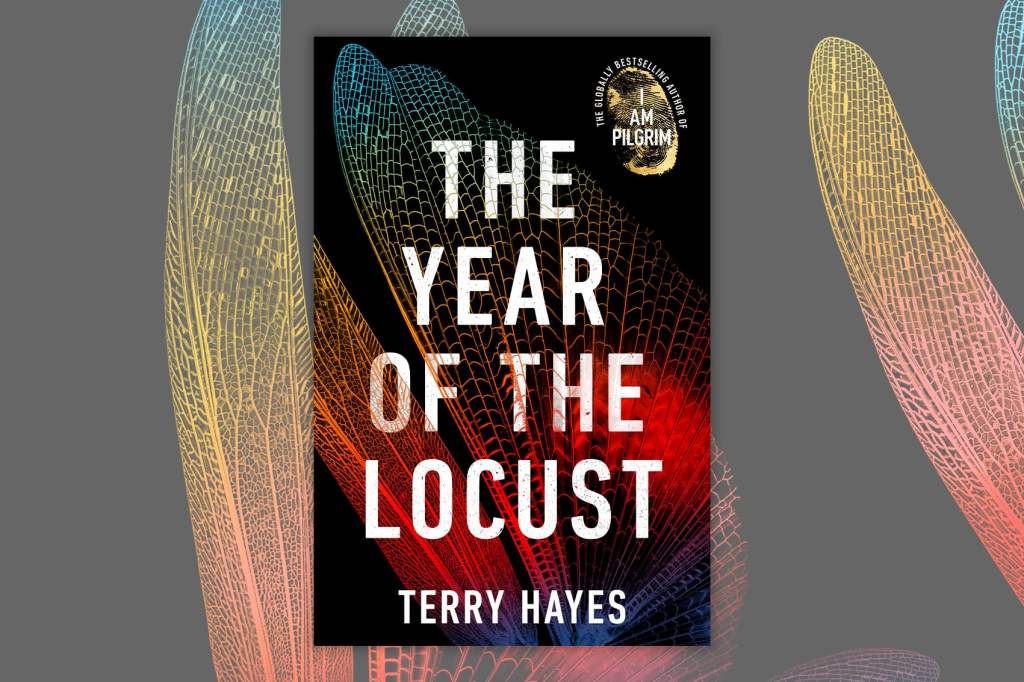
I had been reading a doorstep of a novel, The Year of the Locust (2023) by Terry Hayes, and was finding it very easy to sink into its short chapters and fast pace.

However, I’m about an eighth of the way in and have decided to quit while I’m ahead. I don’t feel much engaged with the protagonist and there is more to life than ploughing through a big book just for the sake of it.

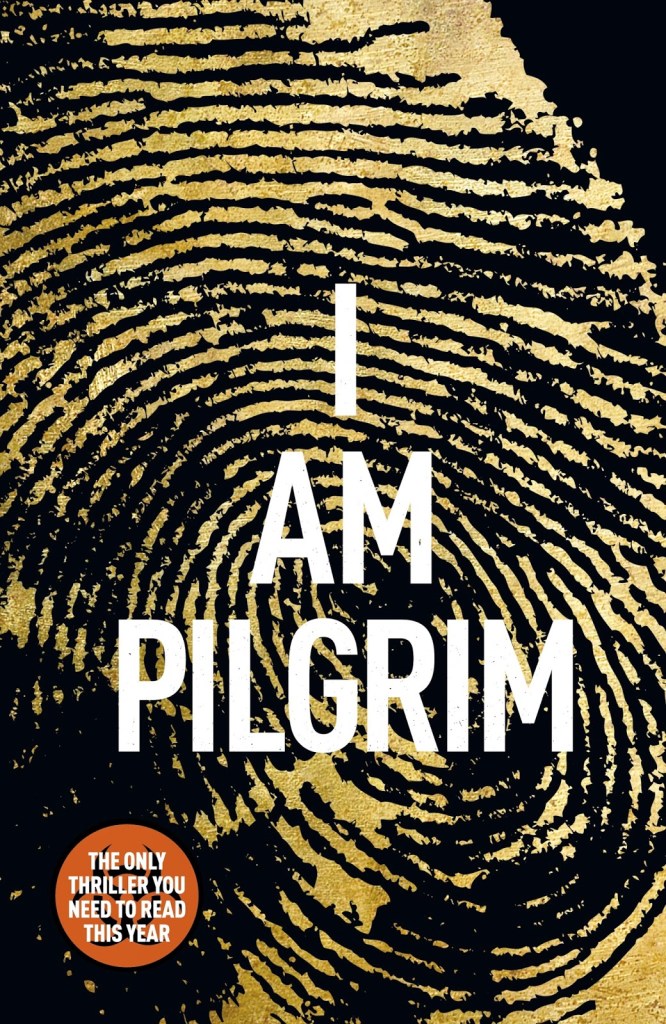
This spy thriller, published in 2023 is more up Mr Grigg’s street than mine, which is what I initially thought about Hayes’ debut I Am Pilgrim (2013) before I picked it up at a book swap a few years ago.

I couldn’t put it down, it was gripping.

My well-read friend, The Fragrant Mrs Putter, told me she felt the same, so I was in good company.

It still hasn’t been made into a film yet, which I find astonishing, although there are references online to Pilgrim being in production.

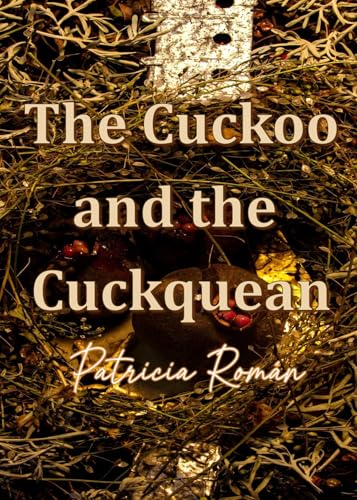
I’m about to embark on The Cuckoo and the Cuckquean (2025) by Patricia RomΓ‘n. The novel is about Spanish Suffragettes – a new subject for me, but it’s good to move out of one’s comfort zone every now and then.

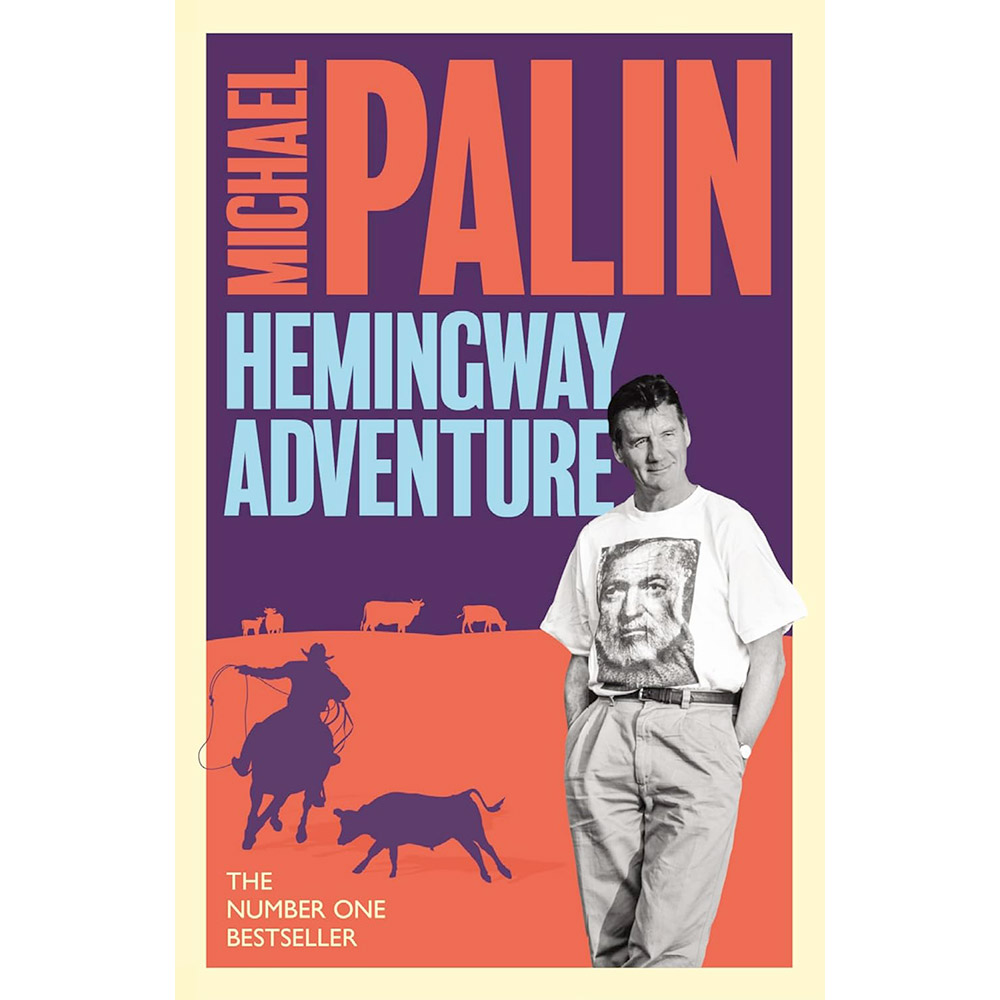
I finally read Michael Palin’s Hemingway Adventure (1999) as part of research into one of my family stories and, although I still don’t very much like Hemingway as a man, it confirmed my view of Palin as an extremely engaging and talented writer.

While I haven’t been reading, I have been listening to quite a few podcasts.

I’m hooked on both the UK and the US versions of Goalhanger’s The Rest Is Politics, which are such ear openers when it comes to staying informed about the corridors of power and the strange things happening on planet Earth right now.

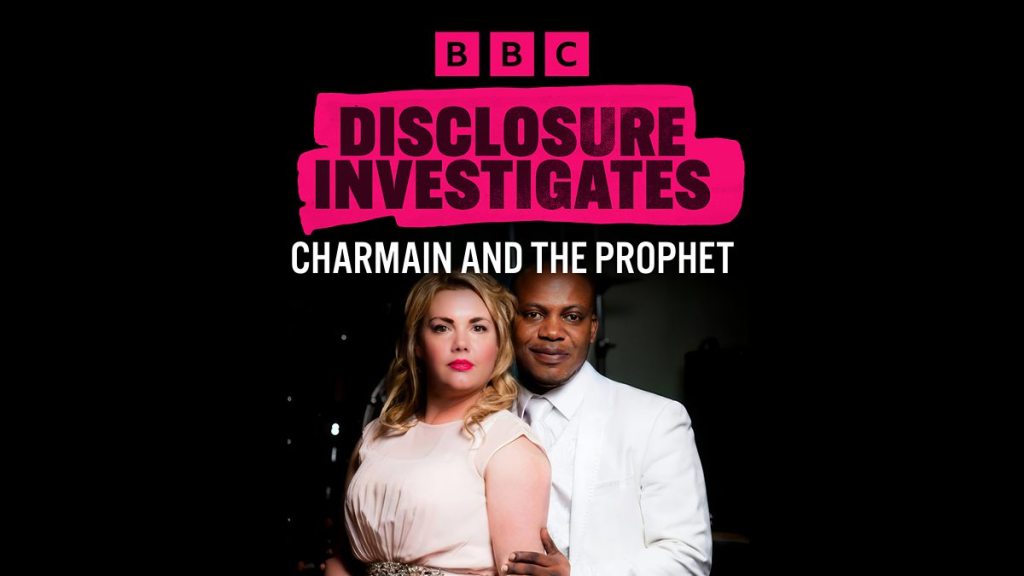
The BBC’s Disclosure Investigates series are really good. I’ve listened to two standout documentaries – Charmain And The Prophet {2026) and Matched With A Predator (2025). The programmes’ common link is the horrendous consequences of controlling behaviour by men over women.

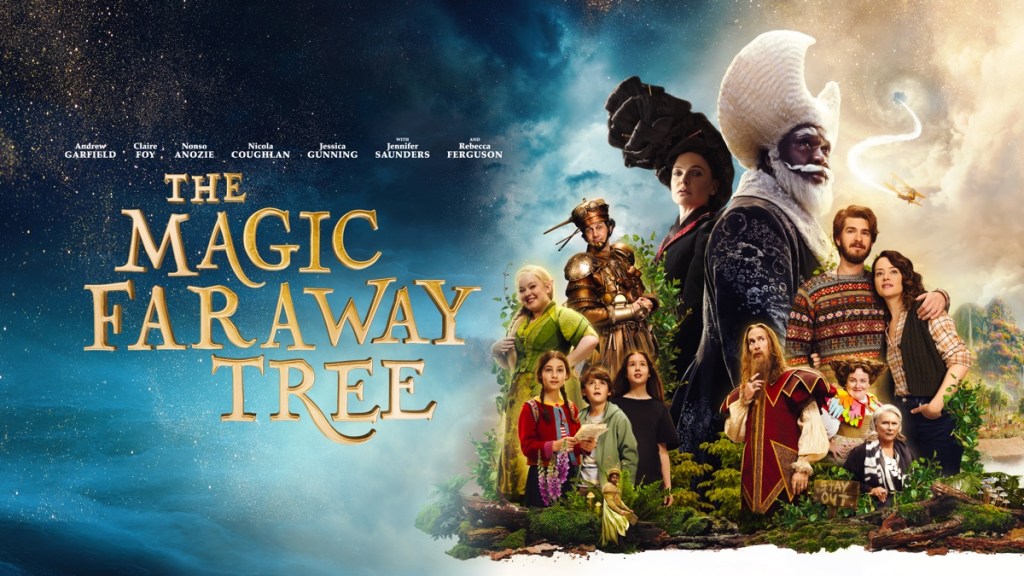
To provide some light in the darkness, I’ve also watched The Magic Faraway Tree (2026), ostensibly a children’s film based on the book of the same name by Enid Blyton.

It was beautifully done, and so, so enjoyable, with the original story updated but still with a glorious, life-affirming fantasy at its heart.

Fearing I might have gone a bit soft in my old age, I looked up the reviews afterwards to see if the critics agreed with my verdict. They did, wholeheartedly.

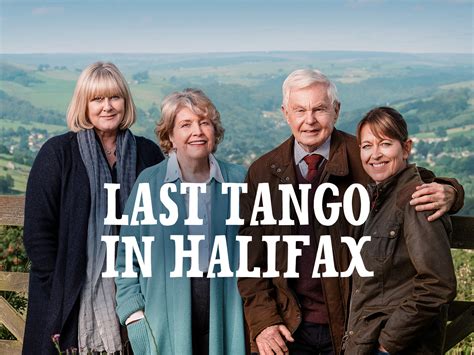
We’ve also binge watched Last Tango In Halifax (2012-2020, BBC) – great, character-led drama which is down to the brilliant script of the show’s creator, Sally Wainwright, and the superb cast.

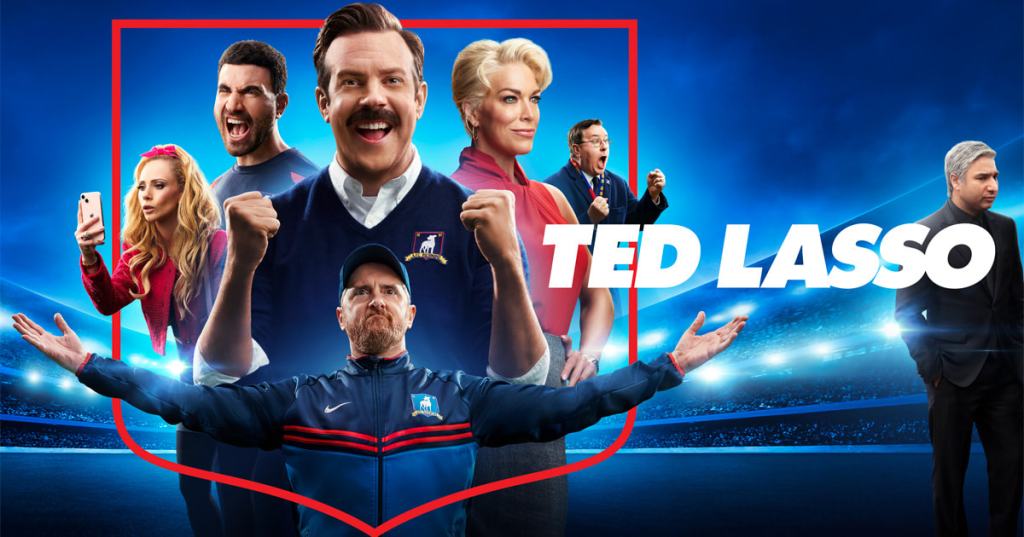
Now starting, rather late in the day, on Ted Lasso (2020-present, Apple TV) and enjoying it immensely.

Can’t wait for the new series of the BBC’s Small Prophets (2026) to appear on our television screens. And with Slow Horses (2022-present, Apple TV) flying out of the traps, telly just got a whole lot better.

Book launch – save the date!

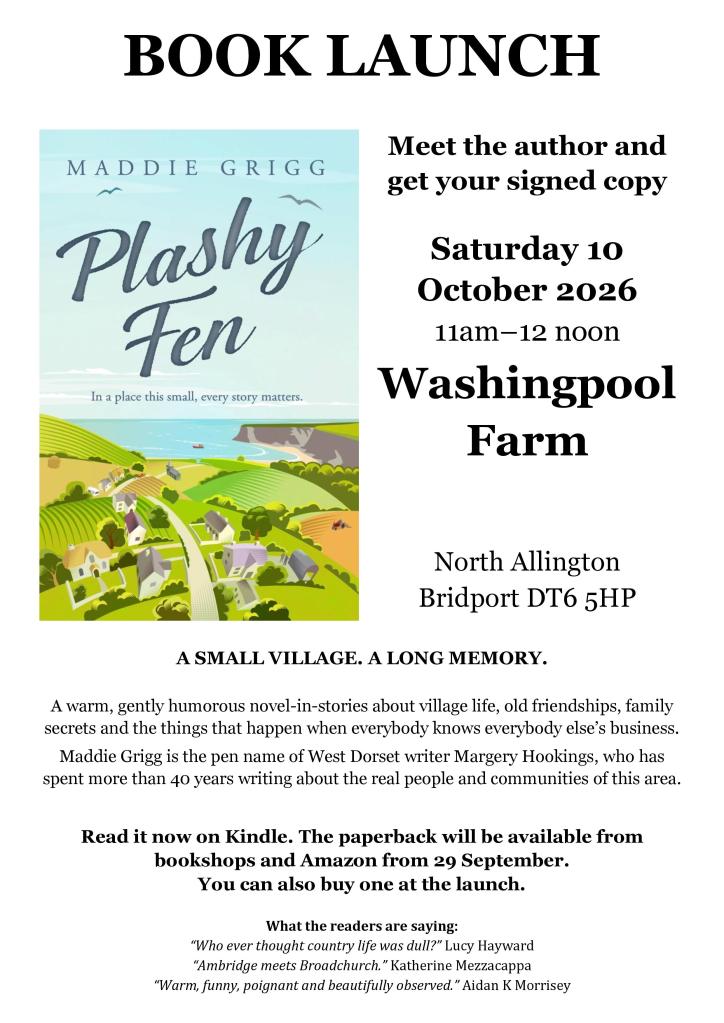
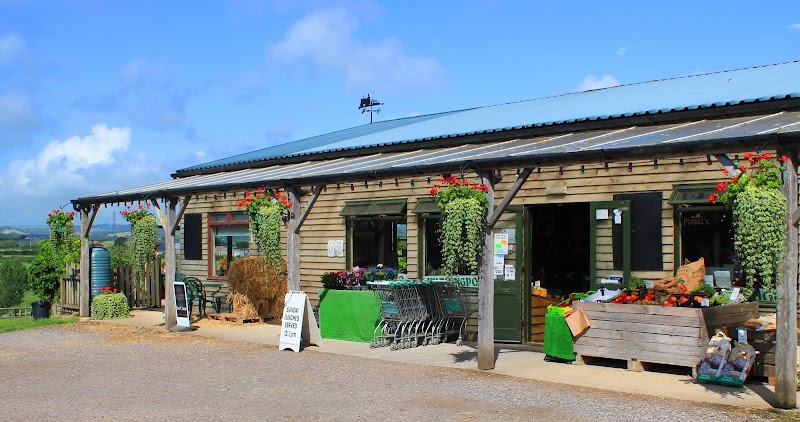
I’m delighted to announce I’ll be launching Plashy Fen on Saturday 10 October at Washingpool Farm Shop, Bridport, from 11am-12 noon.

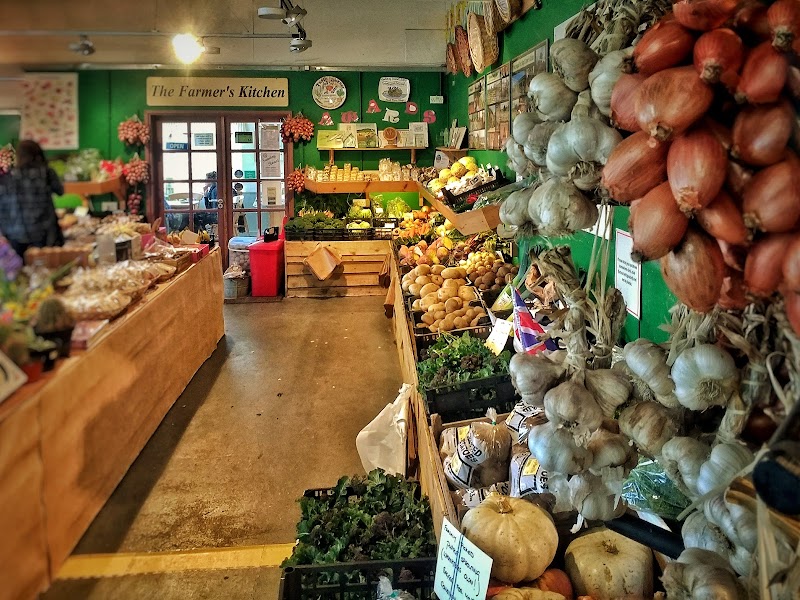
It’s a particularly appropriate venue because one of the key locations in my new novel is a village farm shop, run by Derek and Maggie Galpin.

Like the Holland family who run Washingpool, my fictional couple started the business years ago, way before farm shops were a ‘thing’ and farm-to-plate food became fashionable.

Derek and Maggie were far ahead of the curve and worked as hard as a pair of oxen to get where they are now.

Things happen at the farm shop in Plashy Fen, an imagined Dorset village overlooking the sea.

A jar of olives get spilt on the parish council welcome pack that has been put on the counter. And a couple of hoity-toity incomers’ children scrump the apples on display, much to the annoyance of Derek’s sister, Lindy, who works there part-time.

Lindy is the glue that holds the disparate yet desperately connected village together.

She works at the farm shop part time, in between looking after grandchildren and studying for a back-to-nursing course.

The Holland family started their business in 1971, when Lindy would have been still at primary school.

When I first arrived in Bridport as a young reporter back in the early 80s, I remember the Washingpool market stall and shop in West Street.

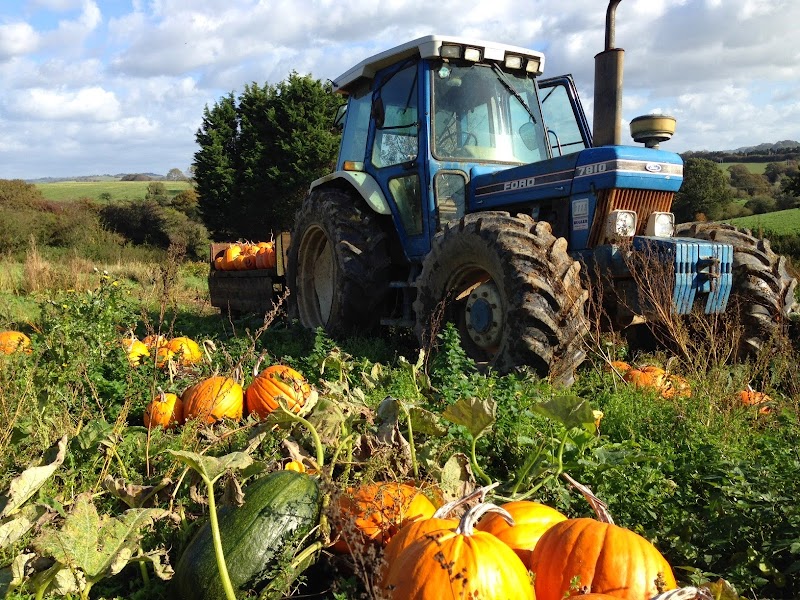
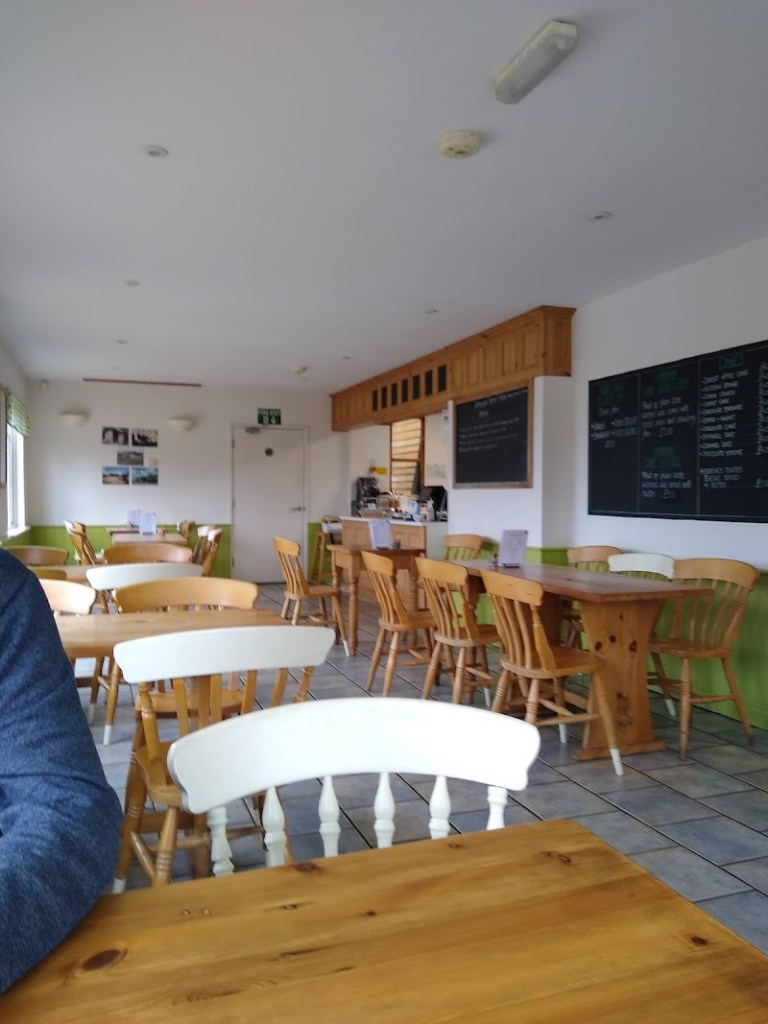
The business has grown dramatically. Now, it’s an award-winning farm shop on the outskirts of town, with a restaurant,  two holiday cottages and a caravan and motorhome site, set on a 80-acre working farm produging its own Devon Ruby Red beef, eggs and an array of fruit, vegetables, flowers and potatoes.

I’m looking forward to seeing you if you can make it on 10 October. If you’ve already bought a book (it comes out on 29 September), I’ll be happy to sign it but I will have copies available.

And just a thought, if you were thinking of coming along, you could book in for lunch…

All the best.

Maddie x

The Odyssey and my Greek obsession

They might be giants…

We’re off to see the new film, The Odyssey, on Monday night.

I’m very excited – and a bit relieved too.

It’s the kind of epic that needs to be seen on the big screen but I’m currently in south west France, so where to see it as VOST (original version with French subtitles)?

The town Cahors is about fifty minutes away but there’s a cinema there, the film is on so I’ve booked tickets to see it.

It tells the ancient Greek myth of Odysseus and his epic ten-year voyage from Troy to his island kingdom of Ithaka. I know know it’s a Hollywood blockbuster treatment of the story and the characters will all be speaking with American accents, but I really don’t care.

Homer’s Odyssey is, in my opinion, the greatest story ever told but it’s one of those movies that directors have shied away from making for far too long.

Director Christopher Nolan (Oppenheimer, The Dark Night and the wonderful Interstellar) has already caused controversy among people who haven’t even seen it yet, mainly because a Black woman (Lupita Nyong’o) has been cast as Helen of Troy.

The Odyssey is, of course, a classic Greek myth – probably grounded in some historical truth but lots of it made up and embellished along the way. It’s a story.

(If you want to know about the ‘real’ Helen, I thoroughly recommend the excellent book, Helen of Troy by Bettany Hughes.)

I suspect the ranting against the film tells us more about the people complaining and their lack of imagination than it does about the director’s casting choices.

And anyway, in Homer’s Odyssey, Helen doesn’t have much of a part to play – that’s all done and dusted in The Iliad (which was reflected in the film Troy, with Brad Pitt as Achilles and Sean Bean as the wily Odysseus rather than Matt Damon who takes the lead role in this latest film).

Greek mythology has been told and retold ever since ancient ‘Greek’ tribes first sat round a fire and listened to a storyteller taking them on a magical journey.

My first brush with Greek mythology was through Enid Blyton’s Tales of Long Ago, a literary gem (not) but, as a child, I loved it. The stories sparked an obsession with the ancient Greeks, leading me to quietly convince myself that Jason and the Argonauts was the best film of all time.

I loved this film!

Much later, as a confirmed landlubber, I learned how to sail so I could act as Mr Grigg’s first mate and potter around the Ionian just so I could feel part of ancient Greek mythology or at least its landscape.

He’d bought a share in a yacht called Nestor, the elderly warrior who features in both The Iliad and The Odyssey, in partnership with the aptly-named Odysseus Sailing.

Sailing towards the wild pig island of Atokos. I’m not sure where from, it could be Ithaca.

We – and family and friends – had many happy weeks over the years on this boat, until she sank in 2020 in a rare medicane – a tropical-like cyclone – called Ianos. She had been tied up to a jetty in Kioni, Ithaka. Luckily, we weren’t on her at the time and neither was the family that chartered her. But Nestor was unsalvageable.

Before then, in 2012, not long after Mr Grigg retired, we let our house in Dorset and went to live in Corfu for a year, close to the beach that lays claim to being the one where a naked Odysseus washed up and was taken in by Princess Nausicaa.

Sunset over Corfu.

Thanks to a laptop and an internet connection, I could carry on working and swan around during my coffee break, imagining myself in a diaphanous gown like a Greek goddess.

Blatant plug alert, I wrote a book about our twelve month adventure: Good Morning Corfu: A Year on a Greek Island. (Living the dream was great but not quite like I imagined. Be careful what you wish for.)

The view from our house in Corfu.

Later, we renamed our new rescue dog Artemis after the goddess of hunting, wild animals and nature and then wondered why she’d wander off in the olive groves at the first opportunity.

We’ve gone up the River Acheron (near Parga) towards the entrance to the Underworld. We ducked under a fence to visit the then-closed Necromanteion and imagined Odysseus summoning up the spirit of the blind prophet Tiresias to tell him how to get home.

We’ve visited the oracle at Delphi, the royal tombs at Vergina – the site of ancient Aigai, final resting place of Philip II, the father of Alexander the Great – and trudged up Mount Olympus almost as far as the Plateau of the Muses but were thwarted by deep snow.

We went on a cheap coach holiday to Turkey just so I could visit the site of Troy. We went on a similar tour to Sicily mainly for the Greek temples.

Mr Grigg knows I get much more excited wandering around a hot amphitheatre than going to a fancy restaurant.

In 2011, I even studied classics and ancient history at graduate level as a mature student. This was a mistake, to be fair, as I really struggled with learning ancient Greek. I was in over my head, the other students at Exeter University were way too clever and I realised with a heavy heart that I wasn’t up to it and that academia was just not my natural neighbourhood.

But I still love anything to do with Greek mythology. I’m particularly taken with modern interpretations and retelling, particularly novels by women like Margaret Attwood (The Penelopiad), Pat Barker (The Voyage Home) and Natalie Haynes (A Thousand Ships), and also Claire North and The Songs of Penelope trilogy.

My favourite poem is Ithaka by C P Cavafy, a metaphor for savouring life’s journey. I read it at my nephew’s wedding last year.

The Odyssey is an adventure story. It’s full of monsters, trials and tribulations, desire, determination, courage, folly and the burning need to get back home. There is something in it for everyone. And that’s the whole point.

The story has been – and will continue to be – presented in so many ways. This fantastic tale is kept alive by the retelling and reshaping.

There is no ‘right’ interpretation.

I hope I will enjoy this almost three-hour film on Monday. I’m sure I will as long as the seats are comfortable. I’ll just suspend my disbelief, immerse myself in a powerful soundtrack and let the story take me to Ithaca.

A visit to Plymouth

I’ve just been to see the Beryl Cook exhibition, Pride and Joy, at The Box in Plymouth.

As it happens, it was just in the nick of time because it ends at the weekend.

It’s a wonderfully thought-out display of Cook’s work. It makes you appreciate her influences and great skill as an artist.

I loved the paintings of her family in particular and everyday scenes like the market and a car boot sale. The details in some of the paintings are tremendous. Little warm and comedic asides playing out alongside the main event.

I have never seen so many people smiling and giggling as they walk around an art exhibition. Sheer joy.

Beryl Cook (1926-2008) was a quiet, private person but one of life’s great observers, going out and about from her Plymouth guest house and finding inspiration in pubs, clubs and on the seafront.

Plymouth was my stomping ground from 1979-1982 when I was doing my training. It was fascinating to think I might have seen some of these real-life tableaux unfolding around me.

But back then I was coming up to twenty and only interested in live bands and having fun with my fellow trainees.

When we left the exhbition yesterday, I followed my memories to drive along the back of the Hoe, turning left into Lockyer Street where I remembering once sitting one of many Teeline shorthand exams until I hit the magic spot of one hundred words a minute which meant I’d passed.

At the junction, we had to wait while a Beryl Cookesque woman – large and colourful – crossed the road. It was perfect timing.

Down at the Barbican, we strolled to our lunch stop overlooking the boats in the harbour.

At one point, I was sure I’d spotted a fellow trainee, wandering around the Barbican in shorts and a sun hat.

I chased after her, shouting ‘Susan, Susan!’ but it wasn’t Susan, which is not surprising because Susan lives in Scotland and would not be in Plymouth unless we were having a reunion.

The thing is, this Susan looked like my Susan only maybe thirty or forty years younger, just as I remembered her.

I even asked the woman if she was sure she wasn’t Susan but she didn’t understand me because she was Spanish.

Then it was a fish and seafood lunch overlooking the boats and a stroll to see the work of another Plymouth artistic genius, Robert Lenkiewicz (1941-2002).

Like Cook, his work at the time was unfashionable in high art circles but popular with the public.

When I was in Plymouth in 1979, the Barbican Mural next to his studio – where a fellow trainee the year above me had a flat – was truly wonderful.

Now, it’s been allowed to fade and rot, which is an absolute travesty and so very sad.

My paternal grandfather was born in a pub run by his parents in Martin Street, Plymouth, just off Union Street. Family legend has it that, as a child, he set the cannon balls that formed part of a monument on the Hoe rolling down the hill. This can’t be true because they are glued together, or maybe it is and the glueing happened after Grandpa’s childhood exhuberance.

So what with my grandfather’s Janner status and my own connection to Britain’s Ocean City, Plymouth holds a very special place in my heart.