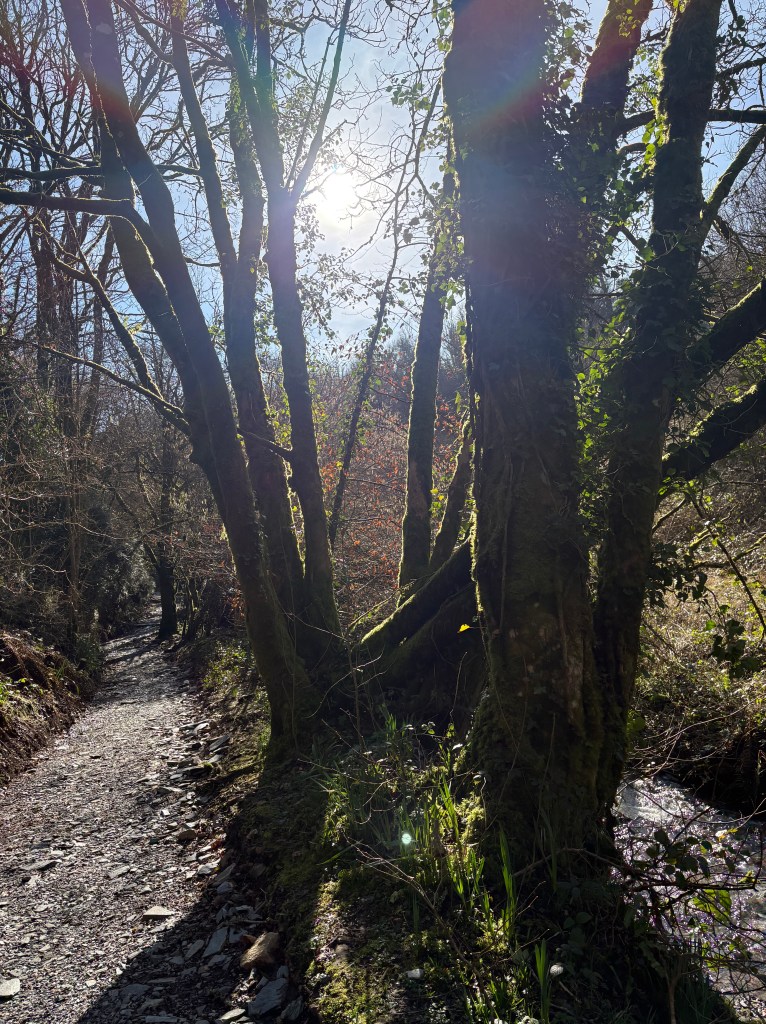
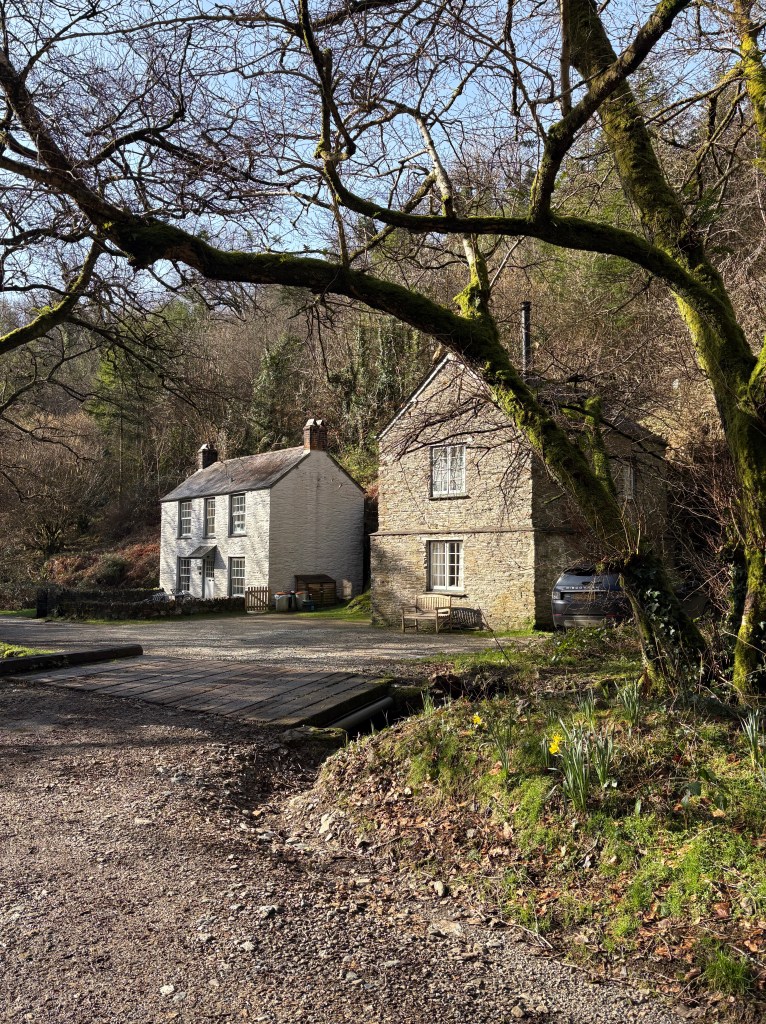
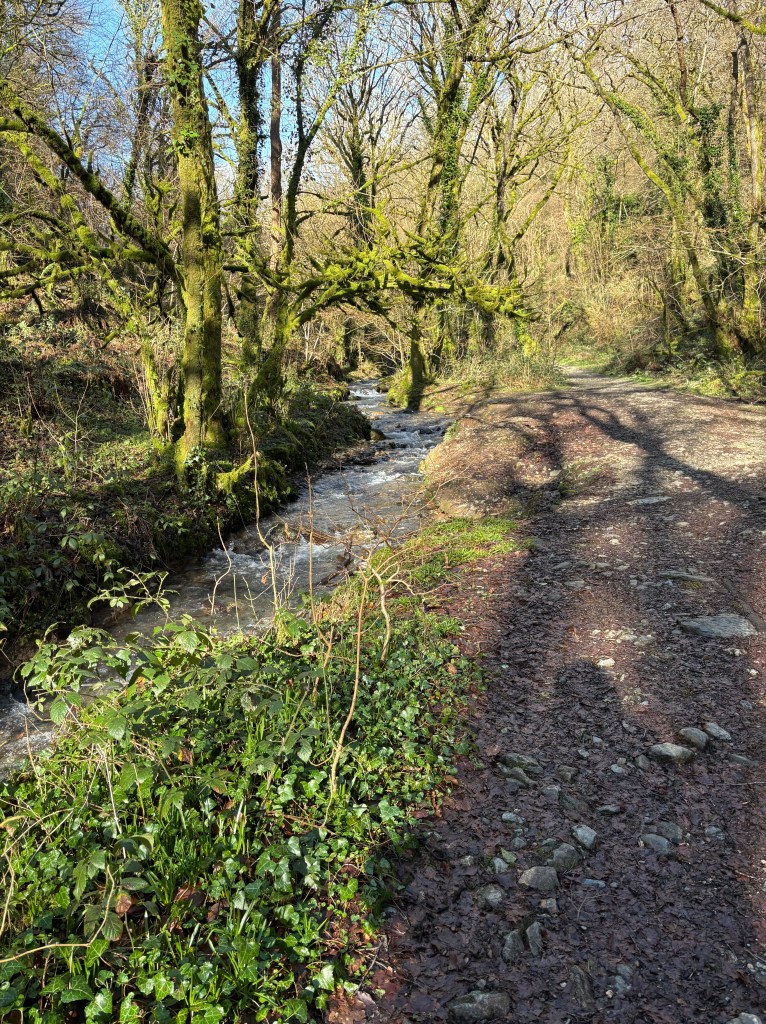
Just come back from a couple of days in Cornwall, staying in a converted engine house up a dead-end, rough track in the middle of the woods.
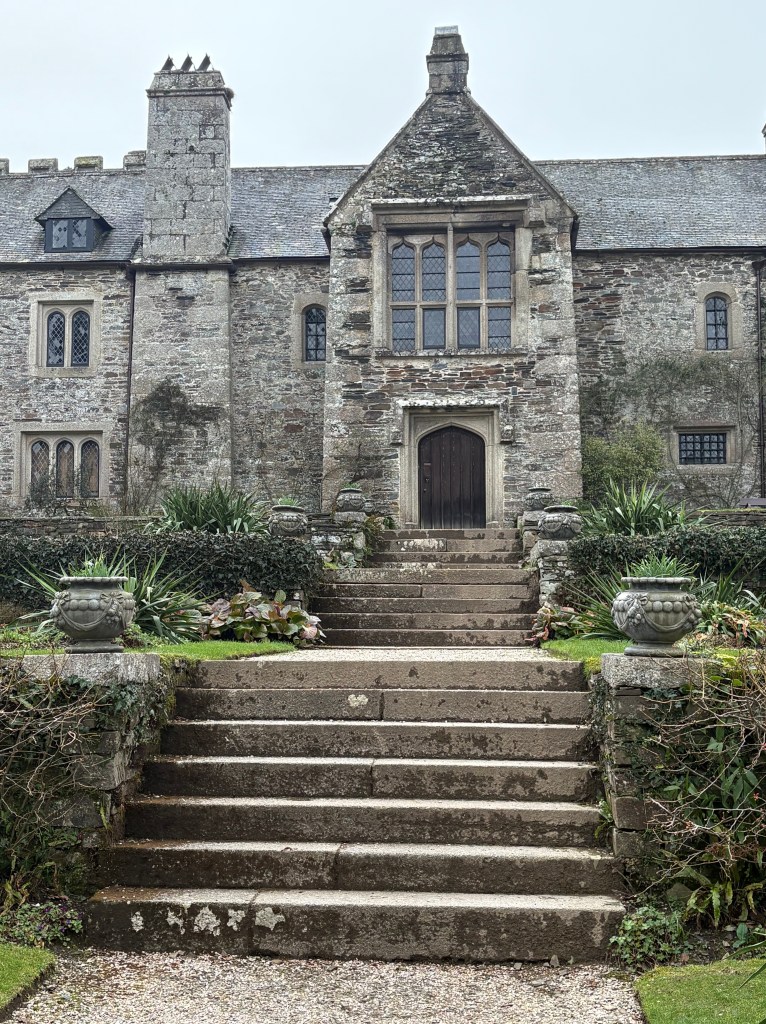
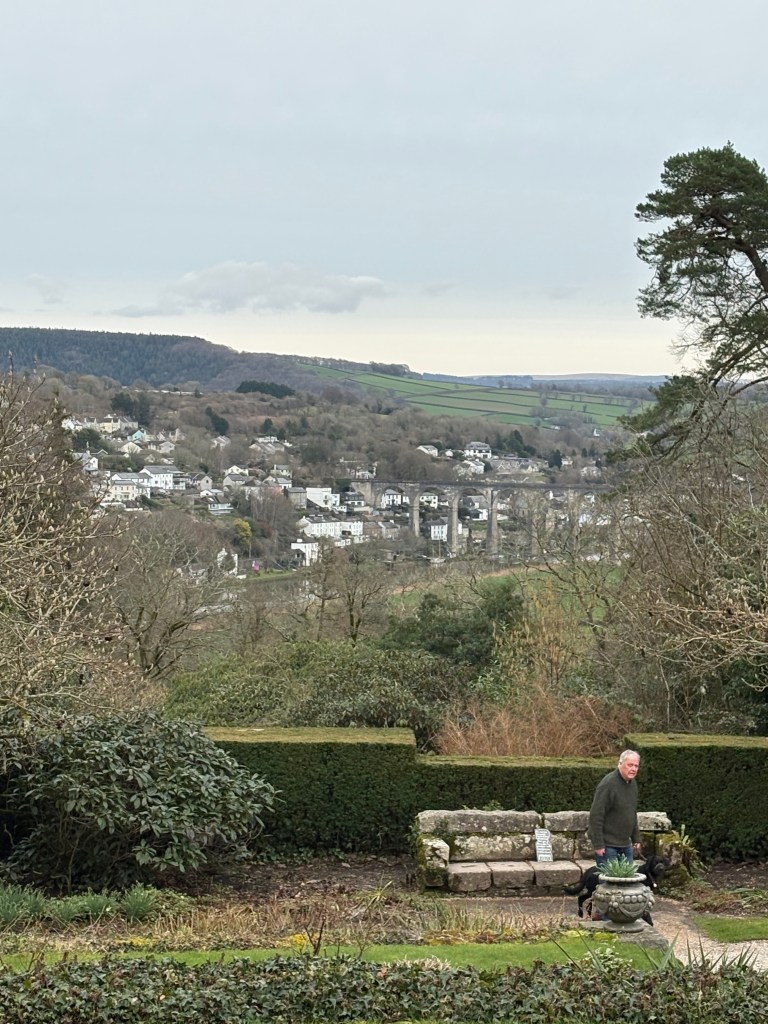
A busy stream rattled by, like white noise. There was bird song, a blue sky and the most wonderful National Trust property sitting high on a perch above the upper reaches of the River Tamar.
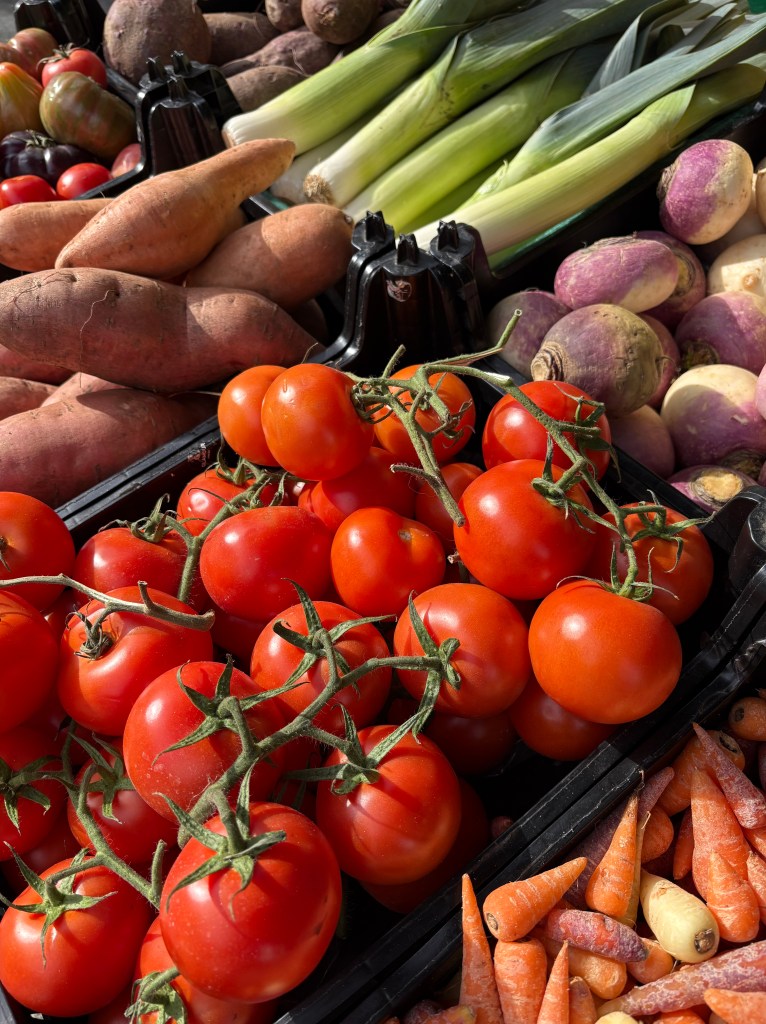
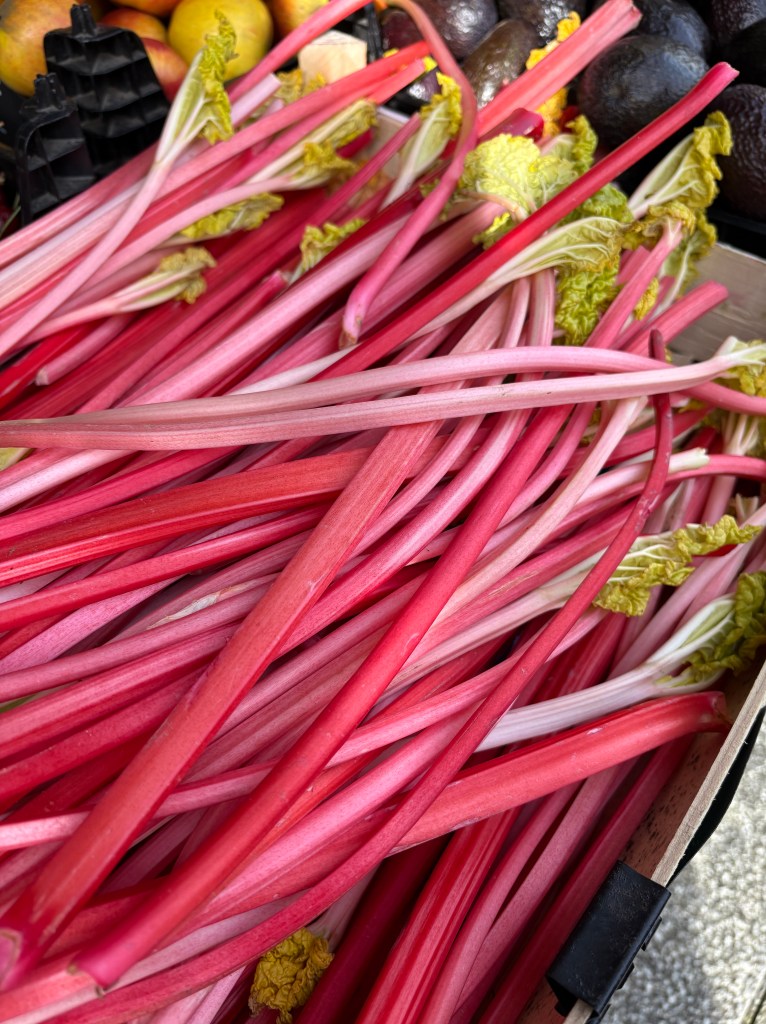
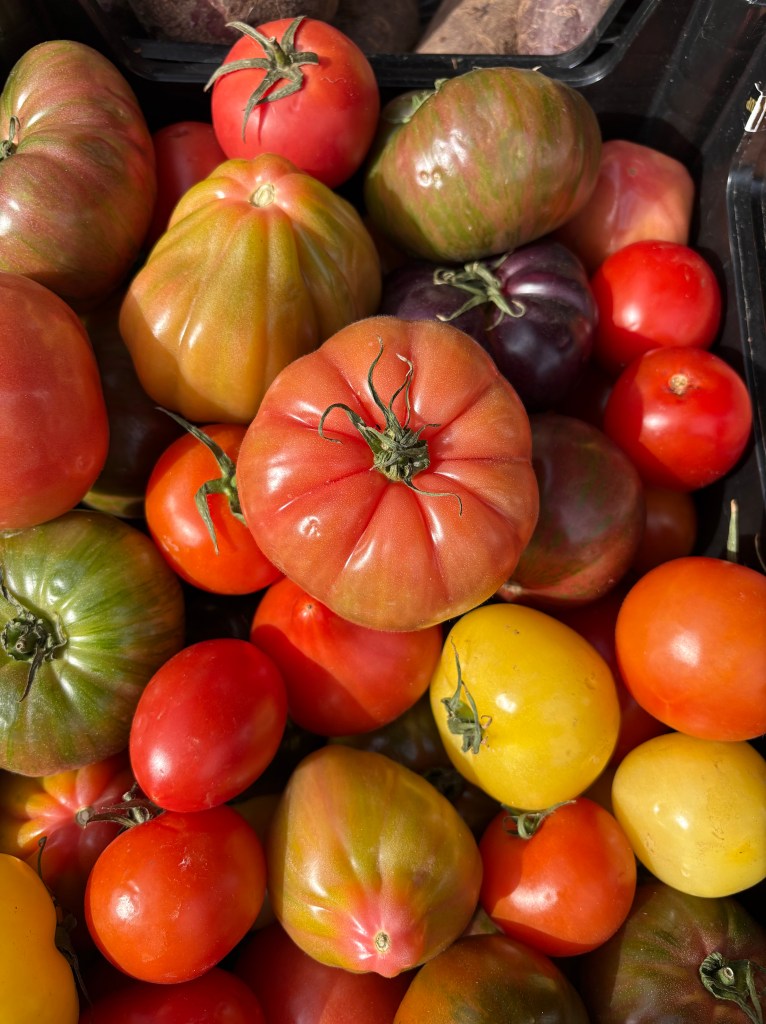
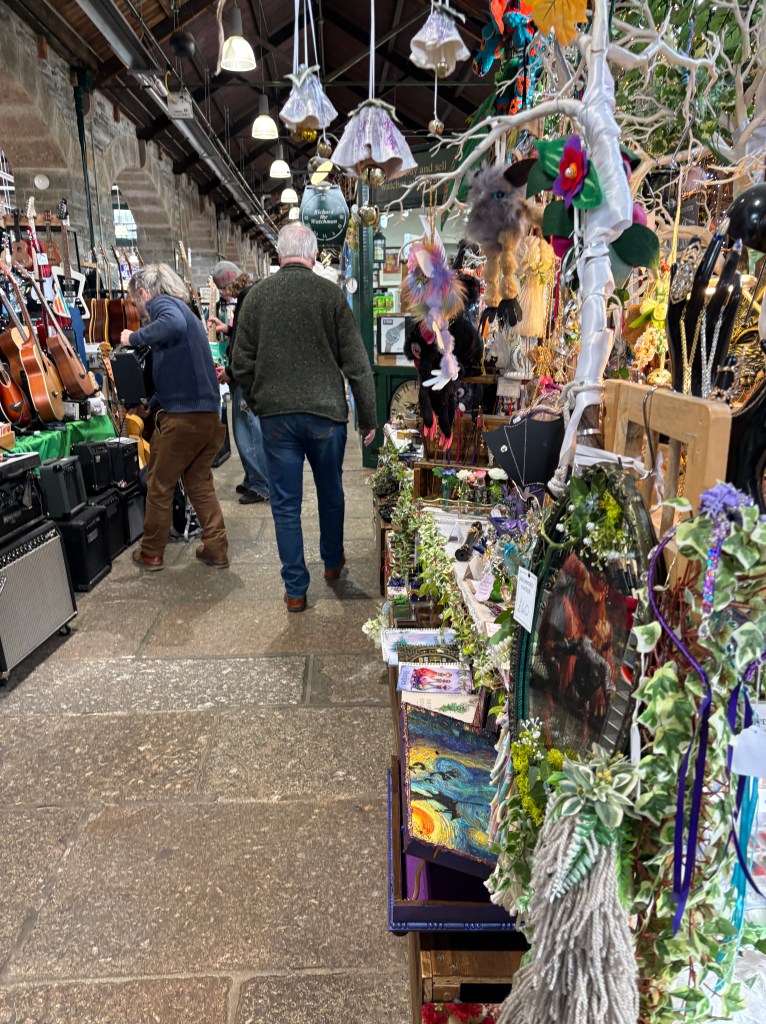
There was a viaduct, live rugby being screened at the local pub, some quaint hostelries and the pannier market at nearby Tavistock where sunshine lit up tomatoes and early rhubarb and turned them into sparkling jewels.
A woodburning stove, a tray of supplied treats like coffee, tea and fantastic National Trust biscuits, and a comfortable bed.
No phone signal and no internet. Low water pressure and only BBC channels on the telly.
Perfect really.
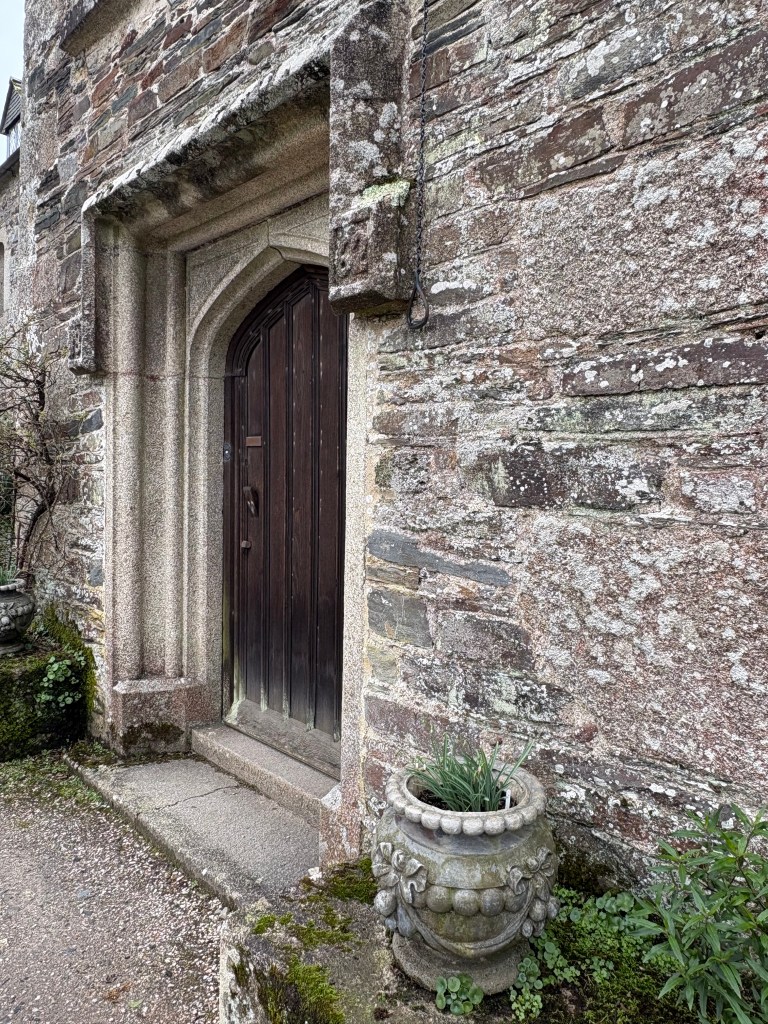
I last visited Cotehele House when I was about twenty and training in Plymouth to be a journalist. It’s been in my head then for years. This gorgeous Tudor manor is impressive. My memory had served me very correctly.
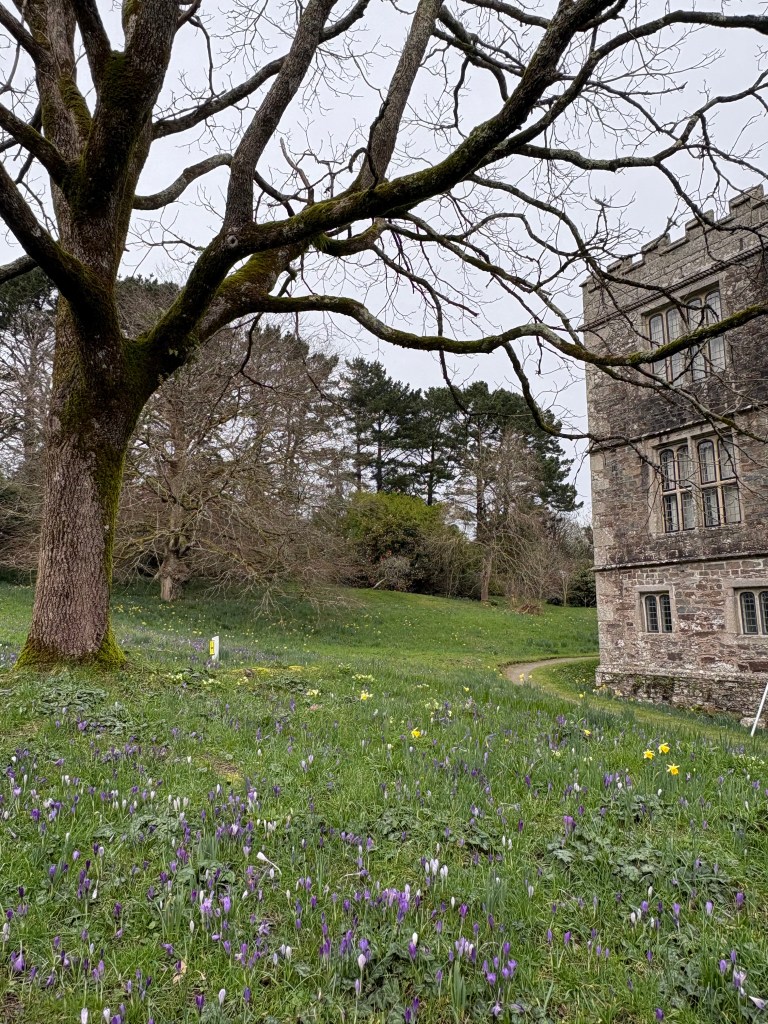
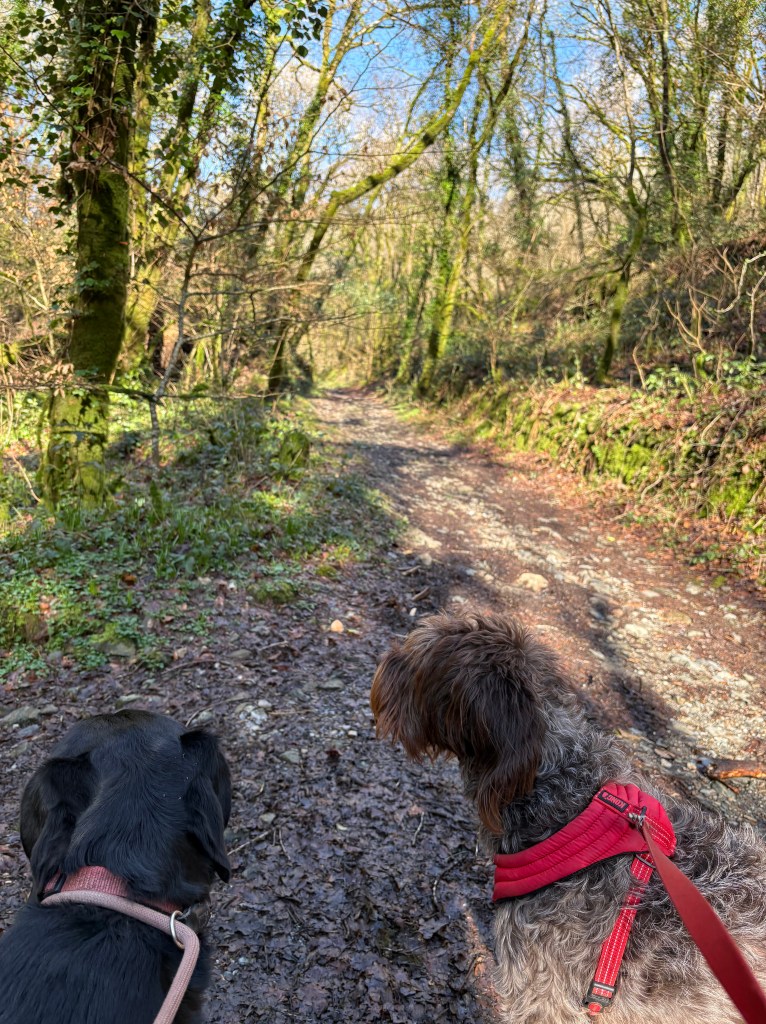
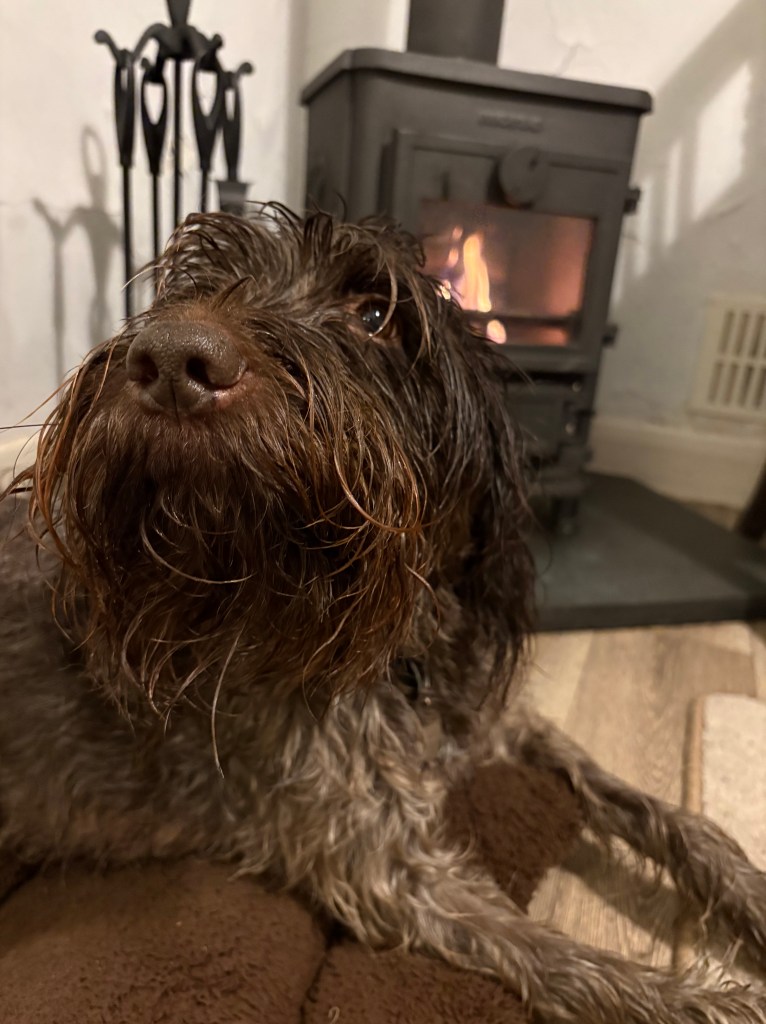
This weekend, the house was closed but the gardens were lovely – and will be magnificent once the flowers are actually out – and the dogs had a great time.
The National Trust has a variety of wonderfully interesting holiday cottages all over the country.
Just the place to get away from it when you’re in need of a break. I quite fancy the cosy cottage for two next to Hadrian’s Wall.
With Covid or whatever it was having only just flown the nest (it took nearly a whole month), we’re now back in Dorset to lovely weather (I jest) and a warm welcome (I do not jest).
This morning, I walked out along the lane with Ruby and Edgar to a gate which reminded me of a poem by the Dorset dialect poet William Barnes (1801-1886).
The Geate A-Vallen To was apparently Barnes’ last dialect poem and it’s one I love because it was a favourite of older family members who, although from rural south Somerset, could do a pretty good rendition of the Dorset dialect.
There’s a YouTube link at the end of this blog to a chap reading the poem. His voice is far too posh but you get the gist. But I recommend trying it out yourself first by reading it aloud:
In the zunsheen of our zummers Wi’ the hay time now a-come, How busy wer we out a-vield Wi’ vew a-left at hwome, When waggons rumbled out ov yard Red wheeled, wi’ body blue, And back behind ‘em loudly slamm’d The geate a’vallen to.
Drough daysheen ov how many years The geate ha’ now a-swung Behind the veet o’ vull-grown men And vootsteps of the young. Drough years o’ days it swung to us Behind each little shoe, As we tripped lightly on avore The geate a-vallen to.
In evenen time o’ starry night How mother zot at hwome, And kept her bleazen vier bright Till father should ha’ come, An’ how she quicken’d up and smiled An’ stirred her vier anew, To hear the trampen ho’ses’ steps An’ geate a-vallen to.
There’s moon-sheen now in nights o’ fall When leaves be brown vrom green, When, to the slammen o’ the geate, Our Jenny’s ears be keen, When the wold dog do wag his tail, An’ Jean could tell to who, As he do come in drough the geate, The geate a-vallen to.
An’ oft do come a saddened hour When there must goo away One well-beloved to our heart’s core, Vor long, perhaps vor aye: An’ oh! it is a touchen thing The loven heart must rue, To hear behind his last farewell The geate a-vallen to.
Today would have been my father’s ninety-ninth birthday.
He died in 2016, not long after he was ninety-one. It was a year my family won’t forget. We lost three close members in almost as many months.
It’s a sombre, sobering experience when that kind of thing happens. Makes you count your blessings for happier times and live for the day rather than dwelling in the past or worrying about the future.
My dad was a second generation tenant farmer from south Somerset, the middle of three sons. He was quiet, wiry and strong. He worked so hard it did his back in. He had an unbreakable connection to and affinity with the landscape, which he passed on to me and my four older siblings through osmosis.
We didn’t have many acres but he knew those fields like a dressmaker knows fabric and thread. Our small herd of Friesian cattle all had names – that was my mother’s doing, naming them after Native American tribes, exotic flowers and women from I Claudius.
He bred poultry – the rare breed Plymouth Barred Rocks, Barnevelders and Welsummers. His calves fetched top price at Taunton Market and he could spot a good heifer from a mile away.
My father was a prolific trickster, doing that thing people do with their thumbs, pretending to have sliced off the tip of his nose and then putting it back on again. He’d frighten me with spiders and challenge primary school friends to punch their way out of a paper bag by putting them into an animal feed sack.
He never went abroad until he retired, yet he hankered constantly for adventure. My mother told me that Dad had wanted to emigrate to Tasmania before I was born, but he never did. Too busy on the farm and with his growing family, I suppose. His younger brother was a Ten Pound Pom and emigrated to Australia in the 1960s, where their uncle had lived since the 1920s.
In the 1970s, my father somehow got the romantic notion that he wanted to be a tenant farmer in Ireland. During this period, he was an avid reader of the Irish Farmer magazine and the cow stalls hummed to the sound of Radio Athlone. But Ireland didn’t want him.
I’d forgotten this but my father was into world music before it was a thing. He loved The Chieftains (naturally, they were Irish) and the Romanian pan pipe player Gheorghe Zamfir, who came to prominence in the mid-1970s for the haunting theme to The Light of Experience, a BBC religious programme.
Gheorghe Zamfir in a video that could have come straight from The Fast Show.
Years before, I remember being in the kitchen at home and asking nobody in particular who it was that was playing Tom Hark on the radio.
Without hesitation, my father replied: ‘Elias and his Zig-Zag Jive Flutes.’
He was great at baking cakes. And his grandchildren will tell you that his egg and chips were the best we’ve ever tasted.
His shoes were the shiniest I’ve ever seen – ‘you can tell a lot from people’s shoes‘ – and he always wore a German belt that my grandfather had brought home from the First World War.
He loved the comedian Dave Allen (Irish again), boxing and Joan Bakewell.


 Maddie Grigg