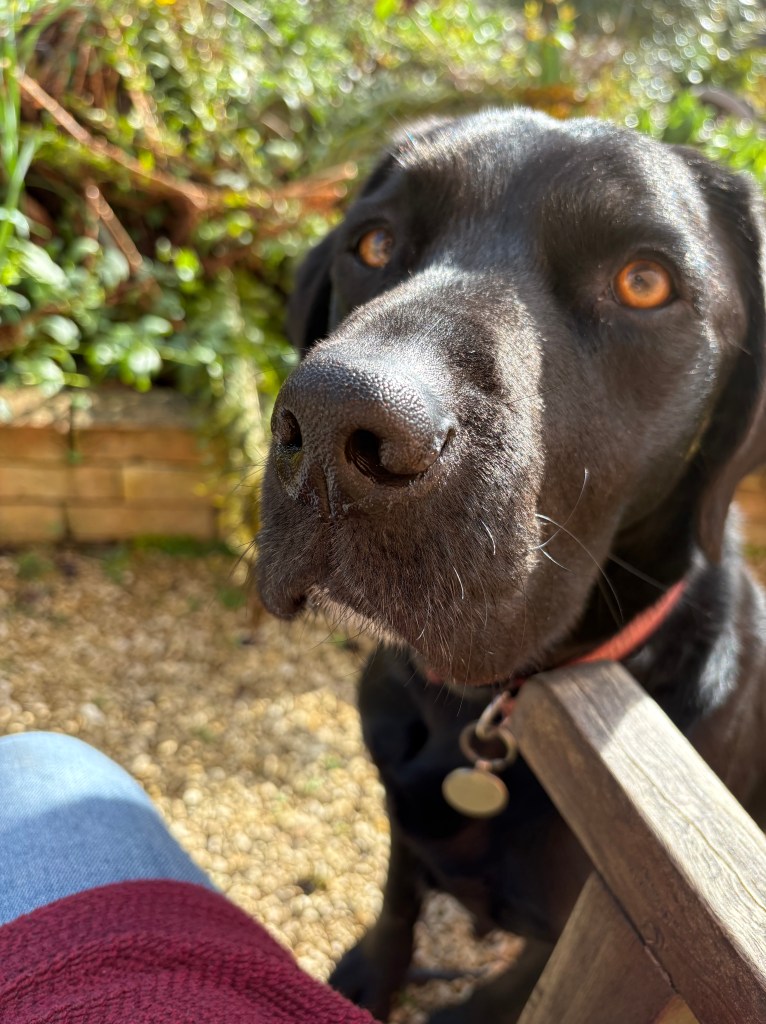
While out dogwalking in Lush Places this morning, I encountered a train of primary school children walking in crocodile formation to the church.
Some had silver tinsel halos and others wore bunny ears.
It’s the time for school Nativity plays across the land.
Shortly after they were shepherded into the church, the heavens opened and rain lashed down in full Storm Bram mode, with gusts of wind careering through like the breath of Satan.
I do hope they got back to their classrooms safe and dry.
The weather is to be expected this time of year. But it’s a bit of a rude awakening for us, to be honest, after spending almost three weeks in South East Asia on a tour of Vietnam, Cambodia and Thailand.
It’s a trip we promised ourselves for ‘significant’ birthdays, but the pandemic lockdowns got in the way.
It’s been a terrific experience, with beautiful food and landscapes and such poignant tales of suffering which are indescribably sad.
The highlight for me was the gentle kindness of the Vietnamese and Cambodian people. Thank you for your warm hospitality.
I’ve been posting reels on my margerymaddie Instagram account, but below are a few pictures from our trip to give you a flavour.
Now it’s back to normality – we have to put the Christmas tree up again outside the house because it’s blown down in the storm.
And while we’re at it, we’ll change the lights to warm white rather than flashing, coloured lights, because we’ve spoilt the look of the village square and there have been complaints.
Which is fair enough. But just wait until we get our blow-up Santa…
We’ve been practising festive songs for the Lush Places carol service.
In, of all places, the community pub.
To be honest, it was a nice departure from the village church. I love the building but at this time of year, it’s pretty darn cold.
So we gathered together in the warmth of the pub for the first of several practices.
No-one was sure when the vicar put out the call how many of us would turn up, so it was a lovely surprise to see singers of all levels out in force. Some were even wearing Christmas jumpers for goodness sake. (Seems a bit early to me, but then I’m a bit of a Bah Humbug sort of person when it comes to festive fashion.)
And before long, our voices combined to create some very melodic four-part harmony.
It’s a wonderful thing, singing with a group. Empowering, spiritual and joyful.
For the next few weeks, though, I’m going to miss the rehearsals so hope I’ll still be in tune when I get back for the carol service.
And I will make sure I wrap up warm when we get to do our bit in the church.
I’ve read quite a few books in the last month, thanks to NetGalley, and some were better than others.
Endeavouring to be more organised and helpful to my readers, I’m just going to include on my blog books which have just been or are about to be published, rather than those not due to be released for months hence.
And, following in the footsteps of my old friend from the lifestyle and fashion blog, Is This Mutton, I’m only going to include reviews of three stars and over. (Sadly, I’ve had a few two-star ones in recent months. You can read my reviews of these and others on the Goodreads website.)
I can’t imagine anyone wanting to read a book if a reviewer thinks it’s duff. And it’s a bit soul destroying for authors to get a pasting online – writing is a tough enough world as it is.
However, saying that, I’m going to include my review of the latest John Grisham novel, because I was expecting such great things from this esteemed and prolific author. And, besides, his career is not going to nosedive just because a nobody from Dorset said she didn’t like his book.
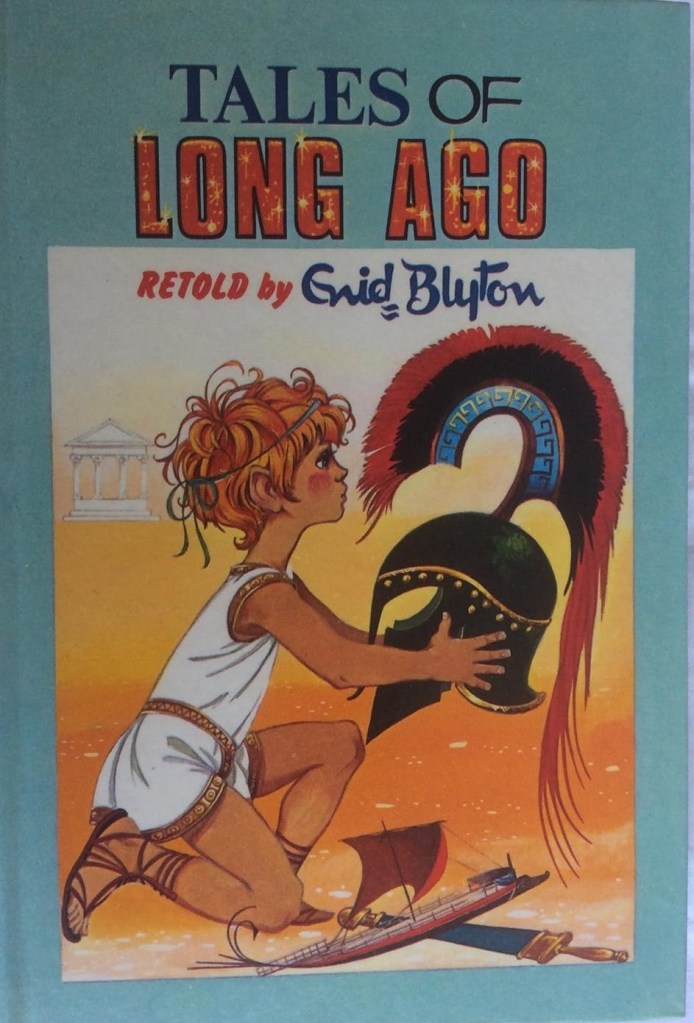
In her latest retelling of the Greek myths, Natalie Haynes turns to Jason & the Argonauts and the Medea story. The tale of the handsome hero who seizes the golden fleece, with help from the witch, Medea, is well-known, particularly to those of us brought up with the 1960s classic movie.
The Medea story, as told by Greek playwright Euripides and first performed in 431 BC, is a staple of the stage even to this day, with various adaptations and audiences trying to make sense of why the protagonist murders her two sons.
Tying the two halves of the story together in the one novel was always going to be a challenge. The first half is a swashbuckling quest and the second is a dark tragedy. But who better to meld the two together than Haynes, a writer, broadcaster, classicist and comedian whose novels include Stone Blind (about Medusa) and A Thousand Ships, which sees the Trojan War from the perspective of the women involved.
No Friend to This House centres on the roles played by Jason and Medea – and the Greek gods as puppeteers – in seizing the golden fleece from the far eastern edge of the Black Sea and taking it to Colchis, encountering dreadful obstacles along the way. Medea’s magic enables them to get through their ordeals.
They end up in Corinth, married with children, and then Jason announces he is in love with Glauke, the princess, and is getting wed. Medea enacts a terrible revenge, but is it any wonder? She’s been deceived by her conniving husband. But killing her sons? How on earth can this be explained?
Haynes does so with aplomb – no spoilers here, but there is a final plot twist – in a nuanced and layered story, with multiple narrators and viewpoints. Highly recommended.
I came to this wanting to love it as I’d heard so much about it. I thought it might be a sort of British version of To Be Sung Underwater (2011) by Tom McNeal. I adored that novel.
Set in rural Dorset in the 1950s and 1960s, Broken Country sees Beth’s world turned upside down when her first love comes back into her life.
Grieving for Bobby, the young son she lost, Beth makes a momentous – and reckless – choice. It can only lead to heartache and pain.
Spoiler alert: it does.
Broken Country is a story of loss, love and betrayal. Part thriller, part courtroom drama, the reader will be on the edge of their seat when this is made into a film by Reese Witherspoon’s Hello Sunshine production company, which also made Where The Crawdads Sing.
Readers raved about that book, as they are raving about this one. I was not a fan of the former – but if we all liked the same fiction, it would be a very dull world indeed.
Broken Country is a good yarn. The ‘heroine’ is not very likeable but this cracking story will become a book club favourite and convert well to the big screen.
I could see the denouement a mile off but, even so, it was a satisfying ending which tied up loose ends, although I felt cheated by Beth, as a first person narrator, telling me only half a story and leaving the juicy bit until last.
A down-at-heel lawyer with gambling debts and a failing marriage takes on a new client. She is seemingly a wealthy widow who wants him to take a look at the will prepared by another lawyer in town. Our protagonist soon realises the other lawyer has carved out a sizeable chunk of her fortune for himself – can he help her out while, at the same time, solve some of his own financial worries by being a little dishonest himself?
I’ve read some cracking John Grisham books in the past but, sorry, this isn’t one of them. It was a huge disappoinment and lacking the urgency and intrigue of Grisham’s earlier work.
The relationship between the main character and the widow drags on, as does his family story, with lots of telling and not much showing. Then a court case ensues, followed by a wrongful imprisonment and then another character who comes into the frame only in the third part. And then it ends very abruptly to the point that I thought I was missing some pages from the Kindle. Apparently not.
I skim read in the end, wanting to know what had happened and why, but it was quite a few nights’ reading I will never get back.
Featuring lots of old photos and interviews with locals, the 120-page book was produced by me for Windrose Rural Media Trust, for which I act as voluntary co-ordinator.
It’s available from the community pub and community shop, and also directly from me. I have to send a copy to the British Library, now that the international standard book number (ISBN) has been registered, so, in theory, people should be able to order it from book shops.
It’s been a long gestation and a difficult birth – my designer was beset with software problems and then a car crashed into a tree, causing him and thousands of others in the area to lose their internet for several days.
But it’s here, and the feedback has been lovely. It’s been a privilege to hear local people’s stories of their childhood and how the village used to be.
All sale proceeds go to the pub, the shop and to Windrose, a registered charity.
The project is supported by grants from Dorset Council’s Community and Culture Fund, the South West Procurement Alliance/LHC Community Benefit Fund, Magna Housing Association’s Community Improvement Fund, and the British Association for Local History’s Small Grants Programme.