Dorset-based writer with a taste for the surreal and serene, heritage, landscape and rural life.
Author: Maddie Grigg
Maddie Grigg is the pen name of former local newspaper editor Margery Hookings. Expect reflections on rural life, community, landscape, underdogs, heritage and folklore. And fun.
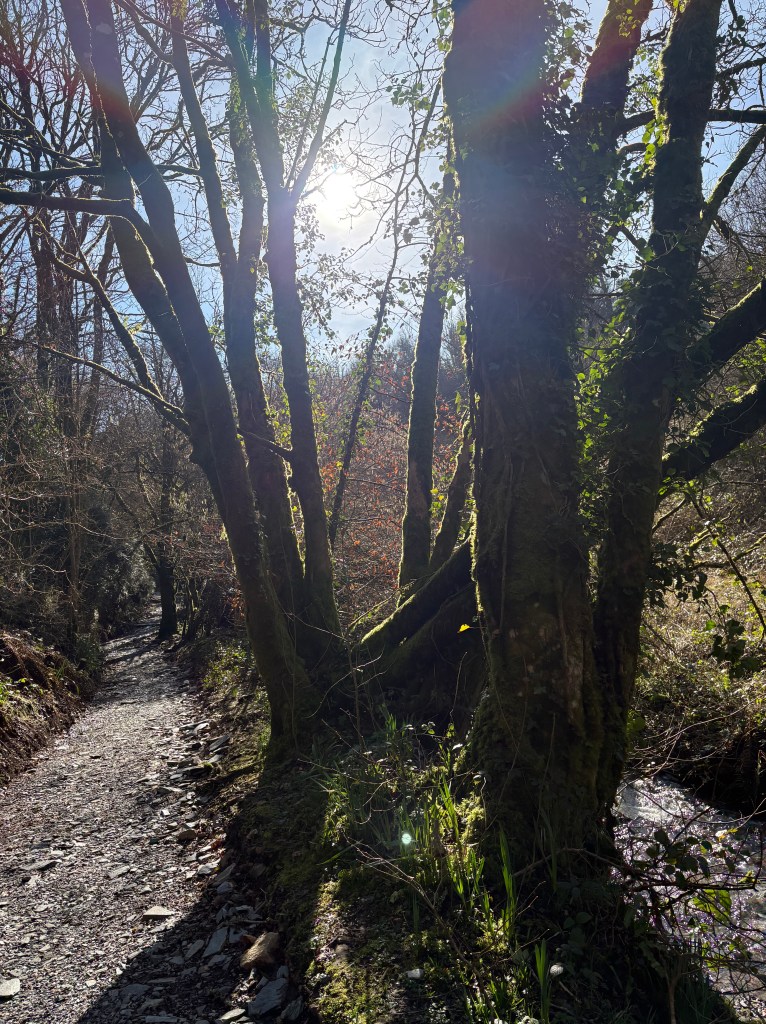
Here in Lush Places, the trees and shrubs are full of red berries, and crunchy leaves are piled high along pavements.
Woodsmoke coils out of chimney pots and the light – oh, the light – can be just sublime.
I like autumn. It’s a real punctuation point in the seasons, a promise of things to come.
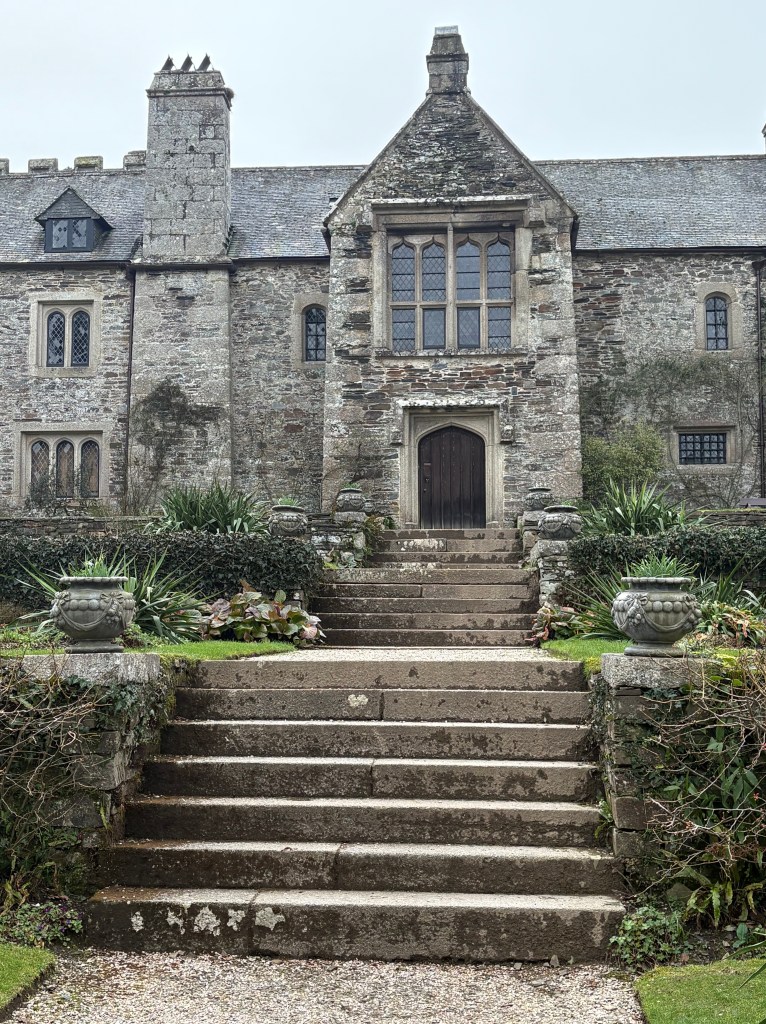
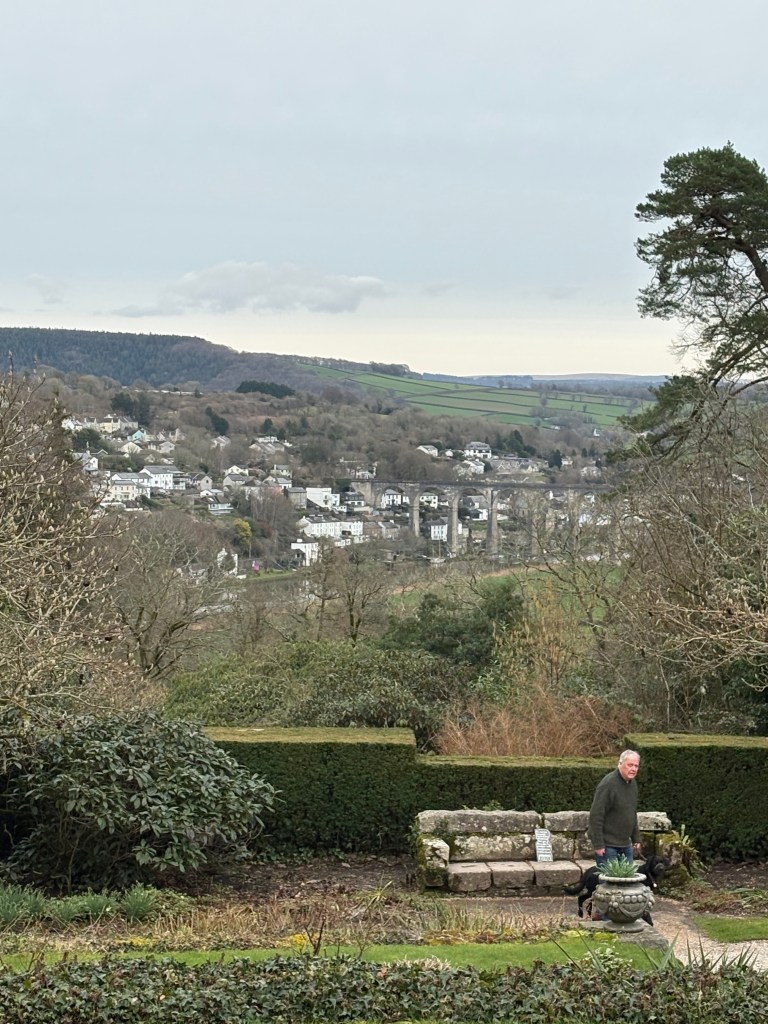
It’s half term and up at Mapperton House, there’s a Halloween trail where children and accompanying adults can wander around the gorgeous garden, looking for clues.
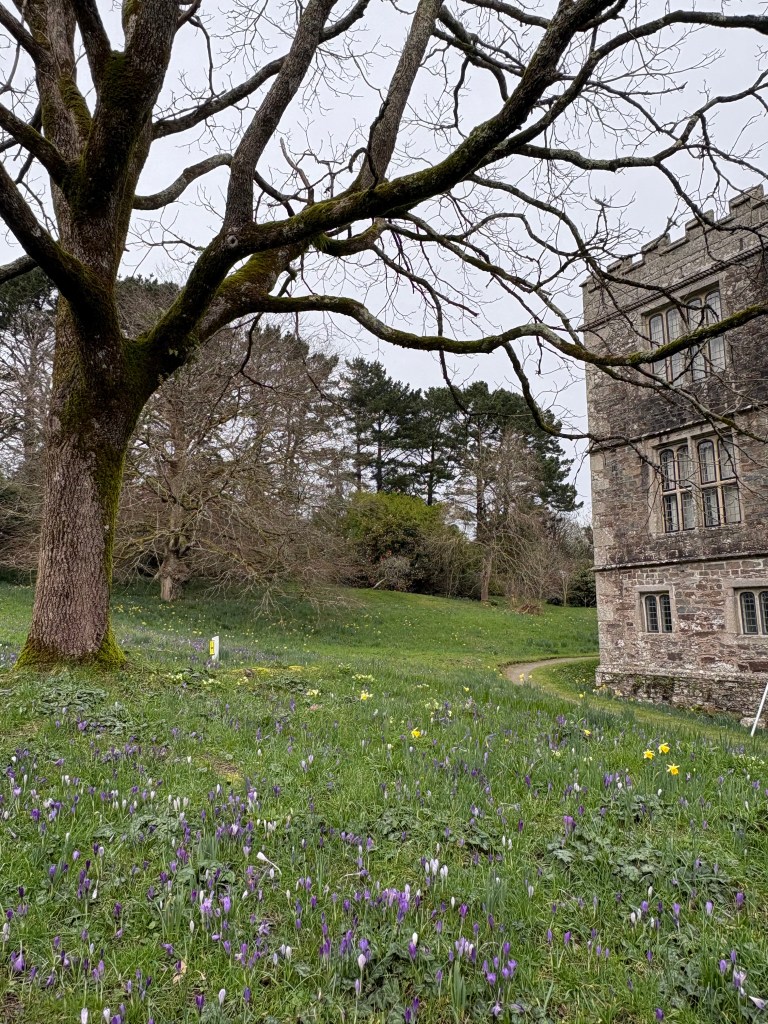
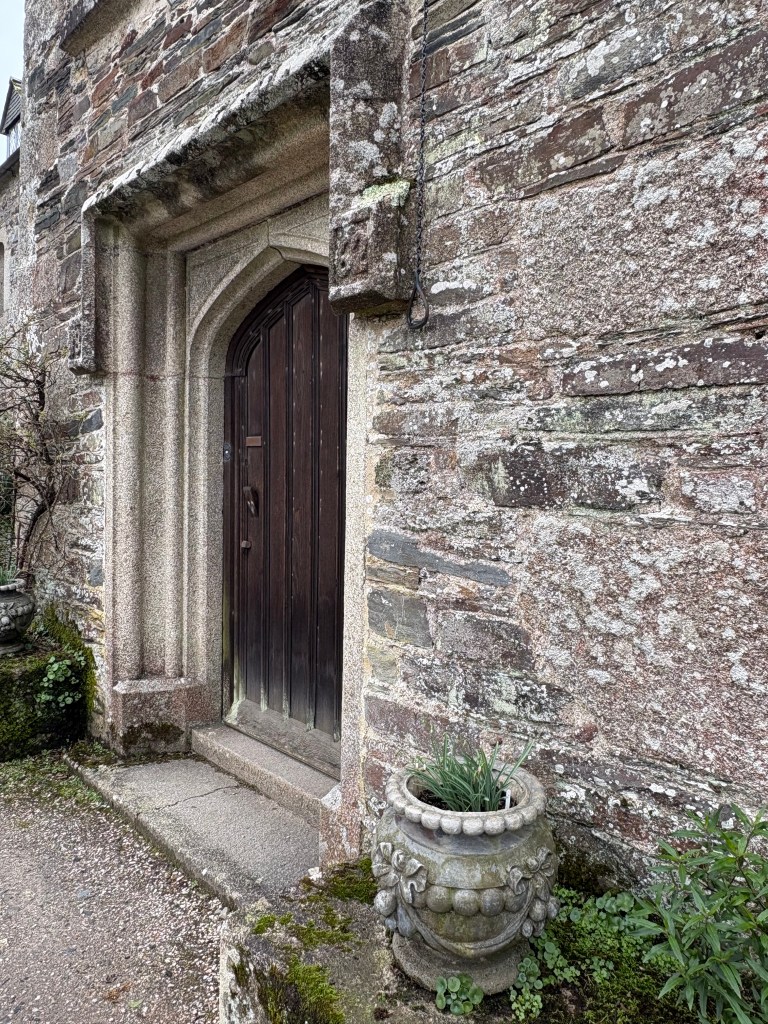
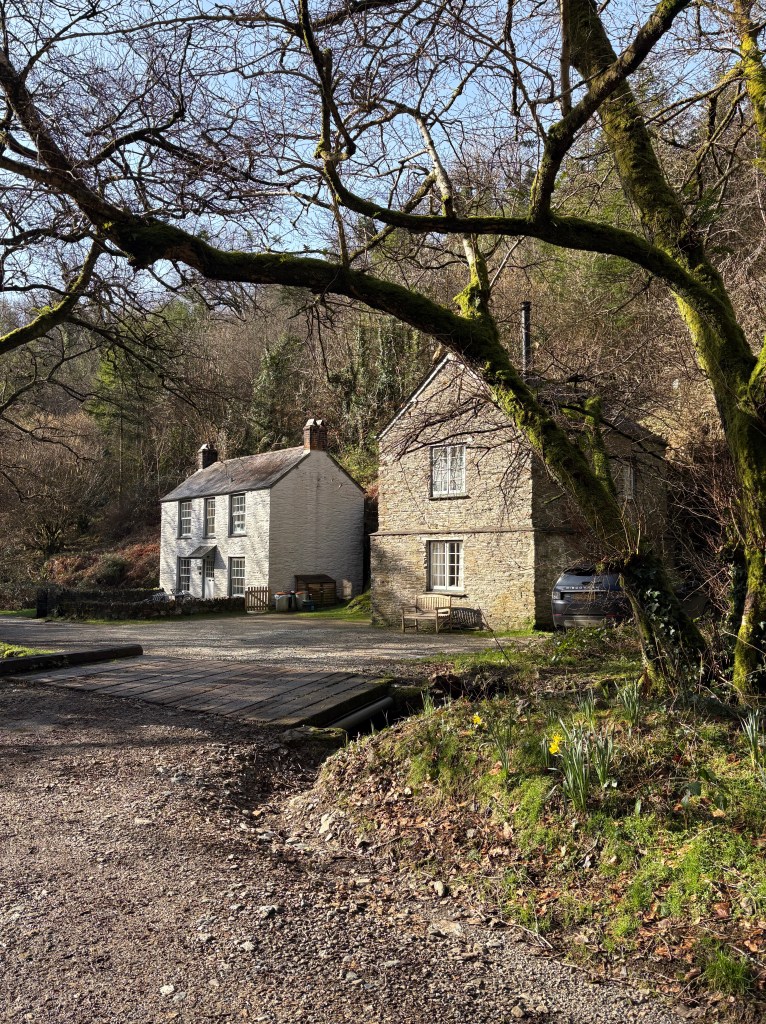
It’s a beautiful spot – my manor from heaven and one of the loveliest places around.
Once upon a time, Mr Grigg and I lived in a farm cottage on the estate. And, more recently, I worked there one day a week to give me some sanity and open space when I was freelancing and chained to a laptop.
It’s the day after the clocks went back and it’s one of those Sundays that seems to have gone on and on.
I was up early and did all the ironing, fed the dogs, order a dog harness, water bowl, poo bags and three motion sensor lights for the landing, made a pot of tea, scored eight on my daily popquiz – Popquizza.com – and finished an episode of The Rest Is Politics US before the clock showed seven-fifteen.
By eight o’clock, I’d walked the dogs and was ready for breakfast.
I’ve managed to tick loads of things off my to-do list, although by three o’clock this afternoon I was flagging and the dogs were doing circles because they were so hungry.
Mr Grigg has dug up four lots of leggy lavender for me to replace, and there is more planting to come.
I’ve also gone mad with the bulbs again, ordering with gay abandon from Farmer Gracy and then bricking it when a massive box the size of Matabeleland arrived on the doorstep with a smug look on its face.
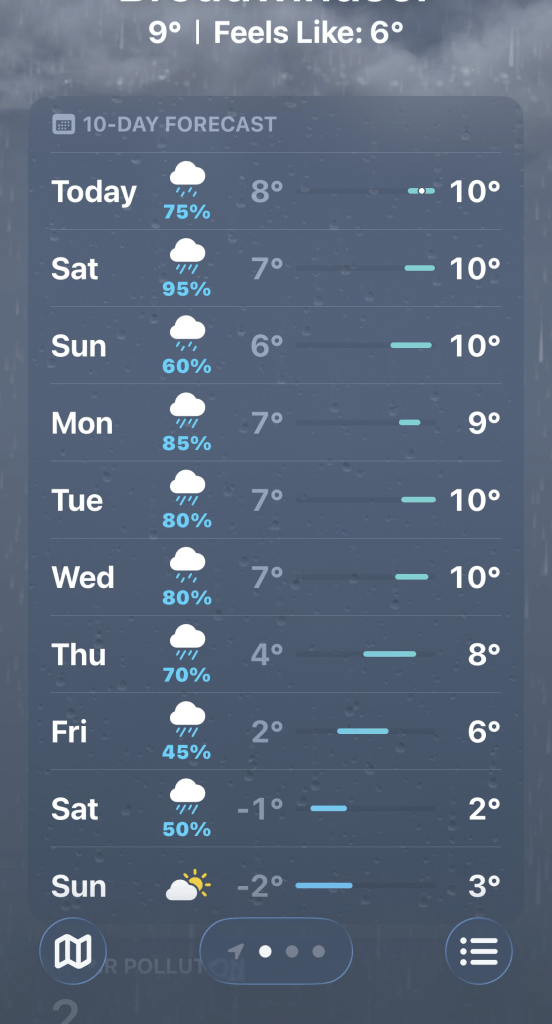
It’s half term in Dorset this coming week but no doubt the weather will be dreadful, so the chance of me finding room for 90 narcissi bulbs is pretty remote.
Two years ago, I ordered so many tulips I had to enlist the support of Number One Son and the tiny grandson who waddled around in dear little wellies and was armed with a lethal dibber.
We managed to plant them all but, of course, I was away when they flowered, so I missed the lot.
With just five days of October left, it’s been a busy month.
And now the nights are darker, it’s time for slowly simmered stews, log fires and a ridiculous binge on all four series of Stranger Things to remind myself of the plot and premise before the new one drops at the end of November.
I’m going to try to pull my socks up and blog at least twice a week, but as my late mother used to say, the road to hell is paved with good intentions.
Thank you to NetGalley and the publishers for an advance review copy of these two novels in exchange for an honest review.
I’m currently reading Broken Country by Claire Leslie Hall, who is coming to speak at the always excellent Bridport Literary Festival. Set in Dorset in the 1950s and 1960s, the novel is being turned into a film by Reese Witherspoon’s production company, Hello Sunshine.
I’m also just about to start The Widow by the master of the courtroom drama thriller, John Grisham. It comes out later this month.
The Sharaf family live in Virginia, USA, after fleeing from war-torn Afghanistan to safety in America. The couple have four children and the nub of the plot is what happens when the older daughter embraces a western way of life and rejects the family’s traditional Muslim culture.
The story is told chapter by short chapter through the voices of the people who know the family or are somehow involved in the aftermath of a terrible incident which threatens to tear the family apart. It takes a while to learn what has happened and to whom, by which time we have learned more about the family and their pursuit of the American dream.
The bystander narration works well, like a documentary, but we can never really be sure of the interal workings and motivation of the characters because we are never inside their heads. This ‘reportage’ style is effective, with unreliable narrators vying to give their opinions, making for a powerful narrative, full of speculation and sometimes prejudice.
However, it is also tricky because all we know about the family is what others tell us. At the end, we’re still not sure if the outcome is just or not, because we don’t know the truth. This is slightly frustrating, but is a really thought provoking device because it confirms or goes against the reader’s own thoughts and prejudices.
The novel does not shy away from racism and Islamophobia, and the discussions around that make it an even stronger book.
It was a compelling story, which flowed very easily. I thought the author did a terrific job in capturing the different voices in a totally authentic way.
This is one of those novels that I romped through (apart from the middle, which sagged a bit for me) and then spent several days pondering the story.
Set in the Australian outback, mostly in the 1950s and 60s, this is a family saga which starts with a terrible tragedy and then more trauma is piled on top.
Sounds depressing, but it wasn’t. The author writes well and it’s an easy read, with short chapters from different perspectives – family and the few characters around them.
It’s about family secrets, coming to terms with awfulness and how you deal with it. Everyone is coping with their own personal tragedy and the interaction between the characters is like when snooker balls are hit by a cue.
Stedman’s The Light Between Oceans (a much better title than A Far-flung Life) was made into a successful film. I’m not sure that this would work so well, as some of the subjects tackled are difficult to handle on the big screen although, in the novel, they work because the reader empathises with the characters, largely because of the writer’s skill.
I enjoyed this book and will recommend it. I didn’t love it and, to be consistent with my ratings, I’m giving it three stars.
I can’t believe this once little pup is now a grown-up boy.
There’s nothing he likes better than chasing after a ball and bringing it back to me, placing it at my feet.
Sometimes, he’ll launch himself skywards to catch it in the air. It’s quite a spectacle.
Meanwhile, Ruby stares and stares and stares at insects, birds and, when we’re in France, geckos – pointing and ready to pounce. Here she is, posing in the poppies.
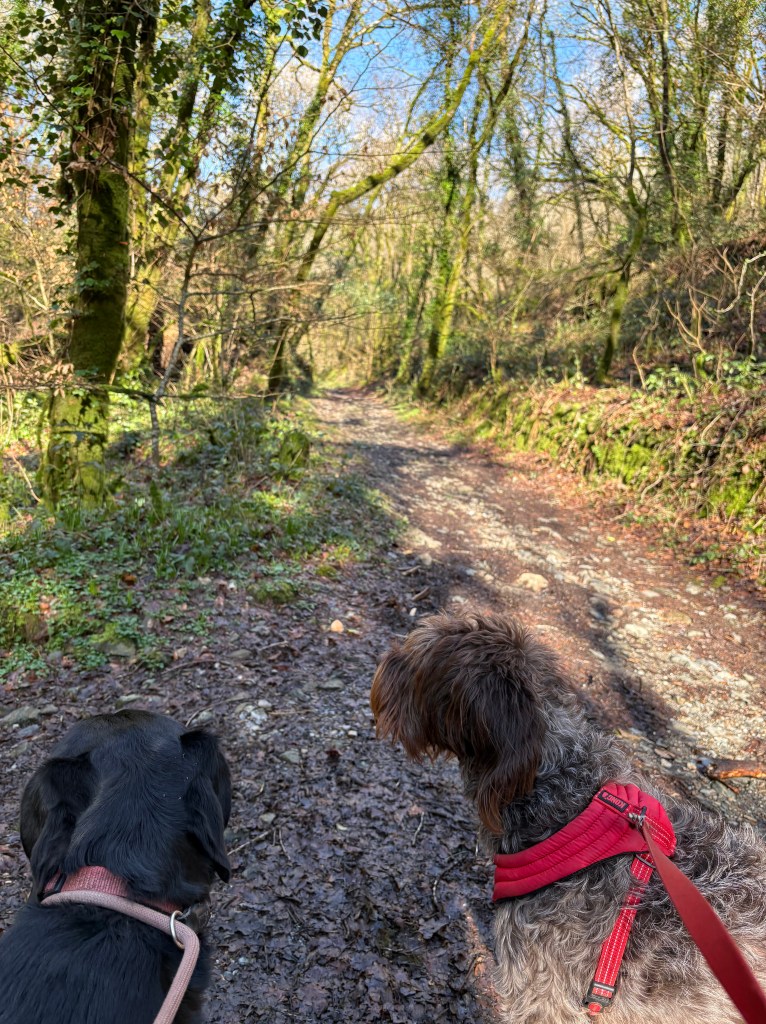
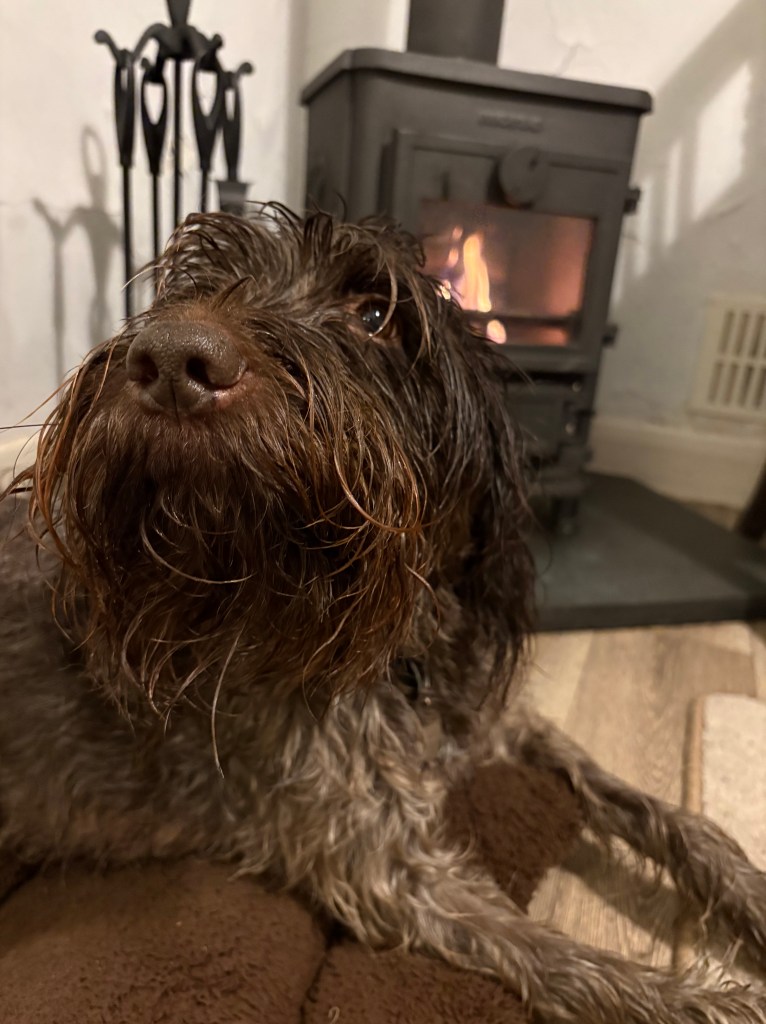
Ruby the Korthals Griffon is a rescue dog, who came to us at 11 months after spending most of her puppy time in a crate. She’s now seven-and-a-half and still nuts.
She’s obsessed with pacing the boundaries and, given half a chance, will head off into the sunset and come back maybe an hour later, which is why she is not allowed off-lead unless she’s in the garden, in a secure field or on the beach at West Bay where sea defence boulders keep her penned in at each end.
Edgar came to us as a puppy from a nearby farm. We weren’t actually looking for a second dog but made the fatal mistake of going to see a friend’s litter, which were three-quarters Labrador and a quarter blue merle collie.
I ummed and ahed until I was told little Eddie – as he was known then – had been earmarked by a chap who lived in a town flat with no garden.
That might have been a ruse but it was enough to make up my mind. A dog like this would need to run.
So Eddie was renamed Edgar – a family name – and came to live with us.
He’s a loyal, loving boy and much more obedient than Ruby.
We do have to watch out for that Labrador tail which can whip a glass off a coffee table at five paces.
And he has inherited the Labrador gene of eating anything, which has its advantages in that he was much easier to train than his ‘auntie’, who is totally disinterested in food and is a bit of a lost cause.
Anyway, happy birthday Edgar, and here’s to many more of them.
It’s the autumn equinox, the time of year that looks ahead to the dark days and nights of winter, and glances back, just a little bit wistfully, to the glory days of June, July and August.
Here in the northern hemisphere, it’s the last day of summer – autumn has finally arrived. For friends and family in the southern hemisphere, it’s reversed, so it’s the first day of spring.
Confusingly though, for meteorologists, autumn begins on 1 September, making the autumn months September, October and November.
On the equinox, day and night are roughly 12 hours long.
In the agricultural calendar, we have to wait until Michaelmas – 29 September – for the quarter day.
Years ago, a traditional meal for Michaelmas was goose, raised in the stubble fields. If you were a tenant farmer, you might have given the goose to your landlord. Which is a shame, because you, being poor, probably needed it more than them, being rich and powerful.
Whatever, whenever, the equinox marks that turning point of the seasons.
School has started, university freshers’ weeks are upon us and it’s a time of change.
Short sleeves and flimsy linen dresses are put back in the cupboard, but within easy reach should we get an Indian Summer in October, and the DM Chelsea boots are given a spit and polish and you thank goodness that years ago you bought the ones with zips now that you’re finding it ever harder to pull them onto your feet.
It’s a time of discovery, when you find you actually do have more coats and jackets than there are days of the week and, in actual fact, they’re not bad, not bad at all.
It’s a time to top up the wood pile, order the heating oil and start knitting again.
Cosy nights in, stews that stick to your ribs and cocoa instead of coffee.
Watching some brilliant drama – old favourites like the latest series of Slow Horses, due any moment now, and the finale of Stranger Things, where the child actors are now grown up but the story is still (I hope) as gripping, and then new shows too, which will unfold as the months unfurl.
Curling up with a good book without feeling guilty about it, and leaving the garden a bit overgrown for the wildlife, ready to attack it properly at a much later date.