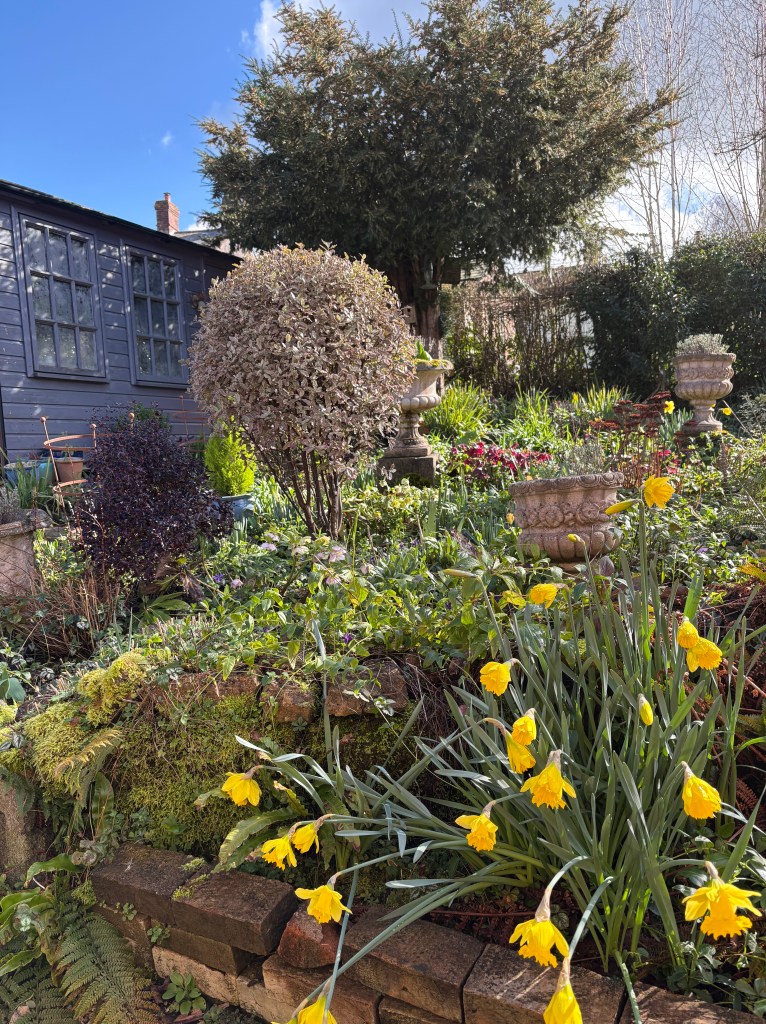
Bouncing into spring

When does spring begin?

It’s so confusing, even when you look it up, because there are different ‘types’ of spring – meteorological spring, astronomical spring and even phenological spring. Who knew?

Meteorological spring is already here. It began on 1 March, following the tried and tested formula of three months per season – so December, January and February are winter months, March, April and May are in spring…and so on.

It makes sense and is easy to remember.

But the date of astronomical spring changes slightly each year due to the orbit of Earth around the Sun. This year the spring equinox is tomorrow – Friday, 20 March, when the night and day are of equal length.

EDIT! I’ve just seen this on a new BBC story: In the UK, 12 hours of daylight and night time comes a few days before the equinox – the equilux. Here’s the link.

As if we’re not confused enough already!

But, in a previous article, the BBC points out: you may also want to consider phenology – the behaviour of plants and animals in response to the changing weather and climate – as another marker for the start of spring.

And, to cap it all, the clocks spring forward an hour on the last Sunday in March, meaning that British summer time begins.

Spring, summer, shrug of the shoulders, I don’t think any of mind too much as long as the weather is better and the days are longer.

So a happy spring equinox to you all – here’s to a positive adjustment to our internal equilibrium.

That’s about it.

Love, Maddie x

The autumn equinox

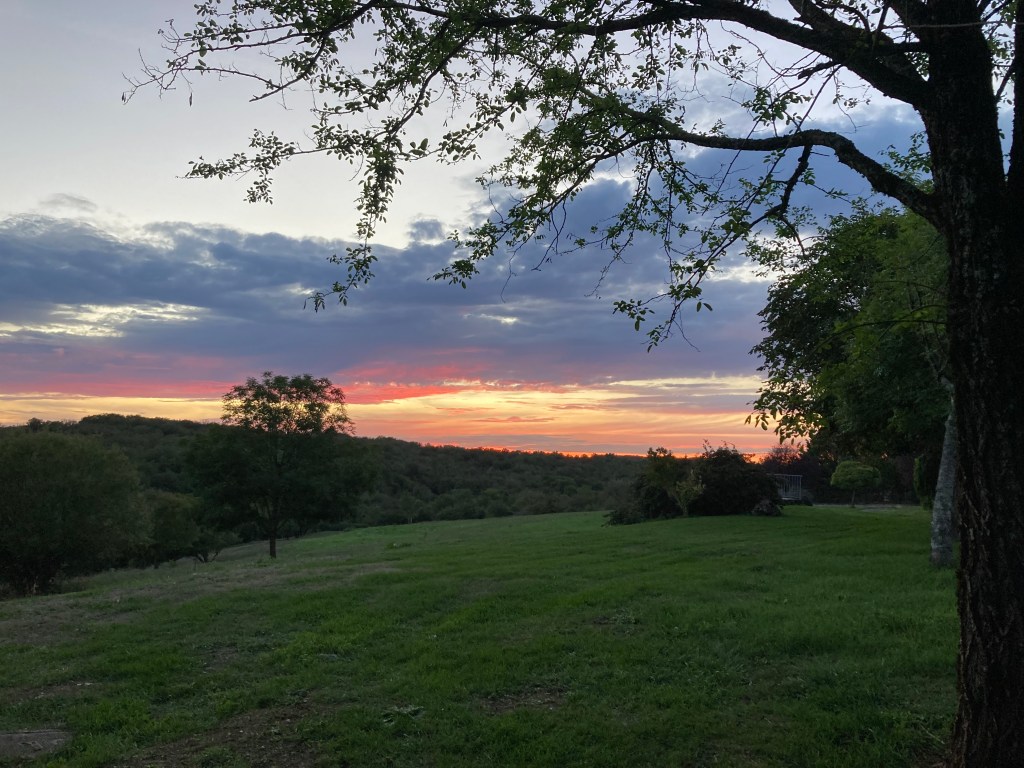
It’s the autumn equinox, the time of year that looks ahead to the dark days and nights of winter, and glances back, just a little bit wistfully, to the glory days of June, July and August.

Here in the northern hemisphere, it’s the last day of summer – autumn has finally arrived. For friends and family in the southern hemisphere, it’s reversed, so it’s the first day of spring.

Confusingly though, for meteorologists, autumn begins on 1 September, making the autumn months September, October and November.

On the equinox, day and night are roughly 12 hours long.

In the agricultural calendar, we have to wait until Michaelmas – 29 September – for the quarter day.

Years ago, a traditional meal for Michaelmas was goose, raised in the stubble fields. If you were a tenant farmer, you might have given the goose to your landlord. Which is a shame, because you, being poor, probably needed it more than them, being rich and powerful.

Still, it was ever thus.

But whatever you do, don’t pick blackberries after Michaelmas because apparently it’s the day the Devil spits on them.

Whatever, whenever, the equinox marks that turning point of the seasons.

School has started, university freshers’ weeks are upon us and it’s a time of change.

Short sleeves and flimsy linen dresses are put back in the cupboard, but within easy reach should we get an Indian Summer in October, and the DM Chelsea boots are given a spit and polish and you thank goodness that years ago you bought the ones with zips now that you’re finding it ever harder to pull them onto your feet.

It’s a time of discovery, when you find you actually do have more coats and jackets than there are days of the week and, in actual fact, they’re not bad, not bad at all.

It’s a time to top up the wood pile, order the heating oil and start knitting again.

Cosy nights in, stews that stick to your ribs and cocoa instead of coffee.

Watching some brilliant drama – old favourites like the latest series of Slow Horses, due any moment now, and the finale of Stranger Things, where the child actors are now grown up but the story is still (I hope) as gripping, and then new shows too, which will unfold as the months unfurl.

Curling up with a good book without feeling guilty about it, and leaving the garden a bit overgrown for the wildlife, ready to attack it properly at a much later date.

And enjoying the wonderful spectacles of the night sky.

I don’t know about you, but I like the autumn equinox.