
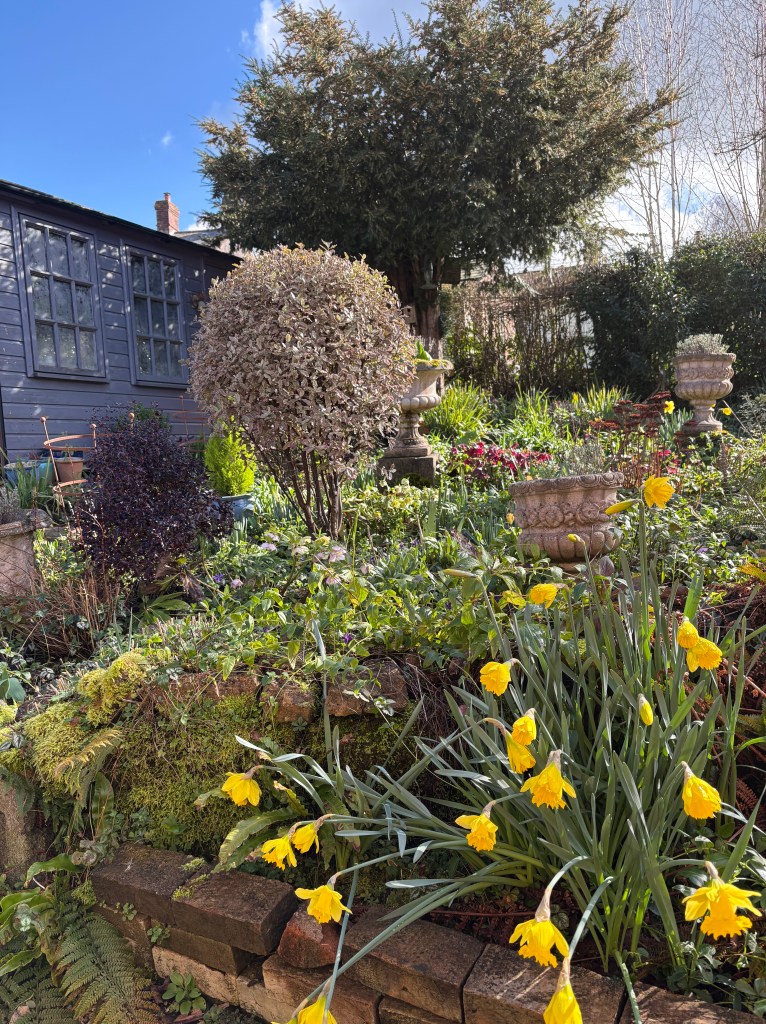
When does spring begin?
It’s so confusing, even when you look it up, because there are different ‘types’ of spring – meteorological spring, astronomical spring and even phenological spring. Who knew?
Meteorological spring is already here. It began on 1 March, following the tried and tested formula of three months per season – so December, January and February are winter months, March, April and May are in spring…and so on.
It makes sense and is easy to remember.
But the date of astronomical spring changes slightly each year due to the orbit of Earth around the Sun. This year the spring equinox is tomorrow – Friday, 20 March, when the night and day are of equal length.
EDIT! I’ve just seen this on a new BBC story: In the UK, 12 hours of daylight and night time comes a few days before the equinox – the equilux. Here’s the link.
As if we’re not confused enough already!
But, in a previous article, the BBC points out: you may also want to consider phenology – the behaviour of plants and animals in response to the changing weather and climate – as another marker for the start of spring.
And, to cap it all, the clocks spring forward an hour on the last Sunday in March, meaning that British summer time begins.
Spring, summer, shrug of the shoulders, I don’t think any of mind too much as long as the weather is better and the days are longer.
So a happy spring equinox to you all – here’s to a positive adjustment to our internal equilibrium.
That’s about it.
Love, Maddie x


 Maddie Grigg