National Cinema Day

It’s National Cinema Day in the UK on Saturday.

Hundreds of participating cinemas are offering tickets to all shows for just £4, to celebrate the joy of experiencing movies on the big screen.

National Cinema Day promotional video.

In Dorset, I’m a great fan of Dorchester Plaza, an independent cinema which offers you the chance to see up-to-date films at a fraction of the price of the big multiplexes. The Plaza is just one of the hundreds of venues taking part in National Cinema Day.

It’s a bit of a hike from Lush Places to Dorchester. But it’s so worth seeing a film on the big screen, rather than waiting for it to appear on TV or watching it on a hooky Firestick which keeps buffering.

In the part of France where I’m lucky enough to spend several months of the year, we used to have the most wonderful cinema showing VO – version originale – films with French subtitles.

It’s where I saw Elvis, Rocket Man and the Aretha Franklin documentary.

Sadly, the cinema closed because the couple running it retired. I did have a fleeting notion that perhaps Mr Grigg and I should take it over but then I thought better of it.

There is nothing quite like sinking into a comfortable seat and watching a film unfold. You are transported to another time and another place, which is so much more intimate than watching it at home, even if you have a popcorn cruncher or Coke slurper sitting beside you.

With a good film, you can totally immerse yourself in the onscreen action.

In Lush Places, we have a film club which is brilliant value for money. I’ll never forget seeing a spider scuttling across the village hall’s wooden floor in embarrassment as we all sat open-mouthed at a racy scene in La Spagnola, a 2001 comedy drama directed by Steve Jacobs.

I have never looked at courgettes since without wincing.

And then there was the time a handful of us watched The Shining (Stanley Kubrick, 1980) at Halloween. It was surreal seeing Jack Nicholson prowling the scary corridors of the Overlook Hotel, with axe in hand and a terrifying grin on his face, while half a dozen of us sat on village hall chairs, with the curtains closed to the outside world where children were tricking and treating.

I love going to the pictures and always have. The first film I remember seeing is Walt Disney’s The Jungle Book at the old Taunton Odeon with my big sister in 1967 when I was six years old.

My contemporaries always say they cried when Bambi’s mother was killed by a hunter. I didn’t, but I wept buckets when Mowgli went back to the Man Village.

I felt so sorry for Baloo. It was just how imagined my mother feeling (she didn’t) when I first went to primary school at the age of five. How would she cope without me, the baby of five, helping with her daily chores on the farm?

I had the joy of studying film and television history as part of my Open University degree in humanities. I struggled with some modules but I slam dunked that one.

In no particular order, here are ten classic film sequences from some of my favourite films (I will endeavour to do a post on British films and foreign language ones at some point. I love them all):
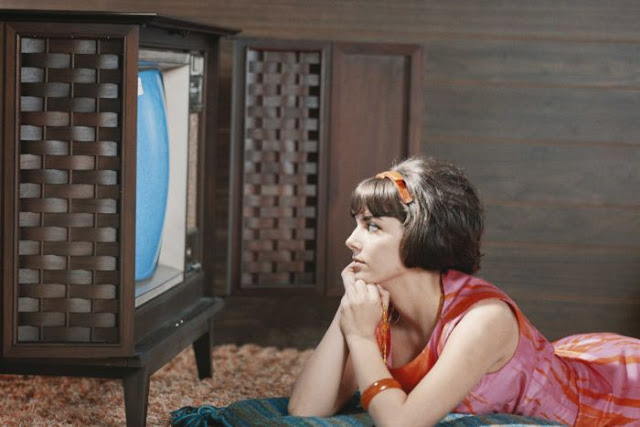
The Hula Hoop scene in The Hudsucker Proxy (Coen brothers, 1994)
Dance scene, Witness (Peter Weir, 1985)
Random Harvest ending (Mervyn LeRoy, 1942)
The King Louie scene, The Jungle Book (Walt Disney, 1967)
Do-Re-Mi, The Sound of Music (Robert Wise, 1965)
Ride of the Valkyries helicopter assault, Apocalypse Now ( Francis Ford Coppola, 1979)
Roller skate chase, The Big Store (Charles Reisner, 1941)
Binary Sunset, Star Wars: A New Hope (George, Lucas, 1977)
Chunk confesses to the Fratellis, The Goonies (Richard Donner, 1985)
Meeting Frau Blucher, Young Frankenstein (Mel Brooks, 1974)

I’ve been watching and listening to…

As well as consuming books as if they were chocolates, I am also an avid listener of music, podcasts and watcher of television.

One of my Christmas presents was a set of wireless headphones. You can’t imagine how delighted I am to be working at my laptop, playing my electronica full blast without anyone saying: ‘I’m sorry, but what kind of music is that?’

To be honest, you probably can imagine how delighted Mr Grigg is at not having to listen to my musical choices. I think if he has to hear one more minute of BBC Radio 6 Music, he’ll probably take a short walk off a long pier.

It won’t surprise you, then, to learn that he’s the one who gave me the headphones.

They are very handy for listening to podcasts of my choice.

This week, I’ve been glued to the BBC’s Intrigue: Million Dollar Lover, which tells the true story, in real time, of an 80-year-old rich woman and her 57-year-old companion, who turned up penniless and homeless in her Californian beach town, became her gardener and then her lover.

Hats off to the reporter, Sue Mitchell, who, with the couple’s consent, began recording them, just because the idea of their relationship piqued her curiosity. Little did she to know that an incredible story – with equal elements of love, dark secrets, family discord and manipulation – was about to land in her lap.

You can listen to the entire series on BBC Sounds.

I’m not giving anything away but I thoroughly recommend this podcast, which was scripted by the always reliable Winifred Robinson.

I’m now into Episode 3 of June: Voice of A Silent Twin, which tells the strange and tragic story of Black twins June and Jennifer Gibbons, who in 1982 were sent to Broadmoor after a crime spree in rural Wales. At the age of 19, they were the youngest women to be incarcerated at the notorious secure unit.

It’s a fascinating and sad story with which I’m familiar, but what makes this different is hearing directly from June herself, who now lives a quiet life in Wales. Jennifer died at just 29, not long after the sisters were moved from Broadmoor to a more open clinic in Bridgend.

The series is currently unfolding on BBC Sounds.

On the telly, I’ve been watching, open-mouthed, Mr Bates Vs The Post Office, which has been on ITV every night this week, with all episodes available on ITV X. It’s very uncomfortable to see how a once much-loved British institution completely wrecked the lives of hardworking sub-postmasters and mistresses across the land.

A great British cast and efficient script plonks the viewer firmly on the side of the underdog. How could the Post Office treat people so badly? And doesn’t it show that if you work in isolation, with no-one on your side to turn to, how destructive corporate bureaucracy can be?

It’s an astonishing true story of arrogance and incompetence and now, thanks to television, millions more people know about this terrible injustice. The repercussions are still being felt.

I’m hoping to catch Wonka in the cinema before Timothee Chalamet disappears behind his chocolate factory gates. The BBC says it’s ‘relentlessly wacky and over the top’, which, to be fair, sounds just like my kind of film.

Just before Christmas I saw the Stranger Things prequel, First Shadow, at The Phoenix Theatre in London with my thirteen-year-old granddaughter.

I’ll save that experience for another post

Have a great weekend.

Maddie x